
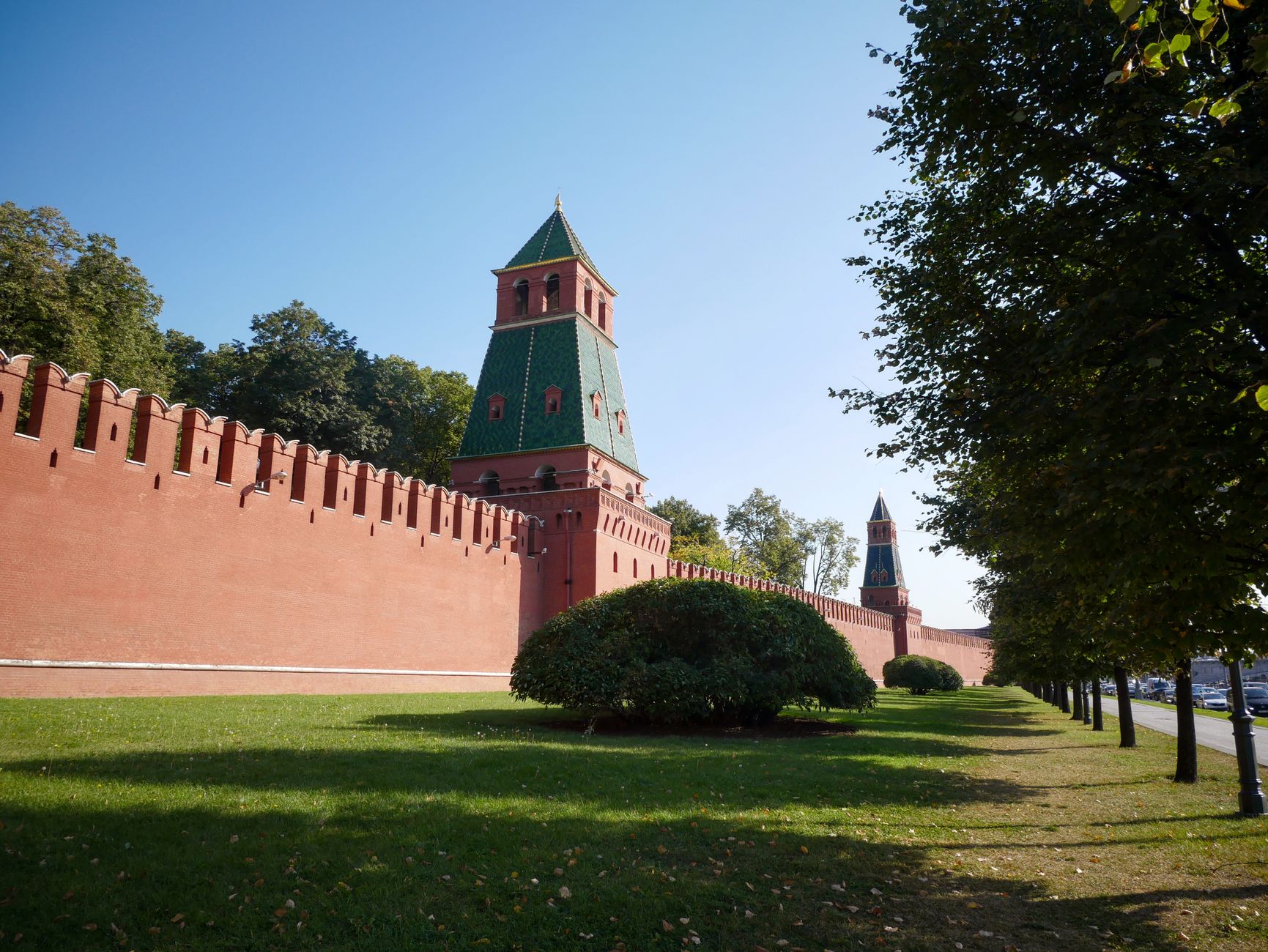
The Kremlin is one of the most iconic landmarks in Moscow, serving as a symbol of Russia’s rich history and political power. This grand structure is not only a fortress but also a complex that houses government offices, churches, and museums. With a blend of striking architecture and profound historical significance, the Kremlin is a must-visit destination for anyone traveling to Russia.
This article delves into the Kremlin’s history, notable buildings, and practical tips for visiting, ensuring you have a comprehensive understanding and a well-planned experience when exploring this monumental site.
What Is the Kremlin?
The Kremlin is a fortified complex located at the heart of Moscow, known for its distinctive red walls and towers. It plays a crucial role in Russian politics, history, and culture. Originally a medieval city, the Kremlin has been transformed over centuries into the seat of power for Russian leaders, including tsars and Soviet officials. Today, it is a UNESCO World Heritage site and one of Russia’s most significant tourist attractions.
The History of the Kremlin
The history of the Kremlin dates back to the 2nd millennium AD, with its first mention in historical records occurring in 1147. Initially, it was built as a wooden fortress to protect the city of Moscow from invaders. Over the centuries, it evolved into a stone fortification that demonstrated the power and influence of the state.
By the late 15th century, under the reign of Ivan III (Ivan the Great), the Kremlin underwent significant reconstruction. Italian architects were brought in to design stone walls and towers, many of which still stand today. The Kremlin continued to be the center of political life in Russia through the dynastic changes and revolutions, notably during the reign of the Romanovs and later during the Soviet era.
Post the 1991 dissolution of the Soviet Union, the Kremlin resumed its role as the official residence of the President of Russia, further intertwining its status with the contemporary political landscape of the country.
Notable Buildings within the Kremlin
Within the walls of the Kremlin, there are several significant buildings and structures that capture the essence of Russian history and culture. Here are some highlights:
The Grand Kremlin Palace
Originally built in the 1830s, the Grand Kremlin Palace serves as the official residence of the President of Russia. The palace boasts an array of architectural styles, from Byzantine to Russian Baroque. Visitors can see the ceremonial halls, such as the St. George Hall, used for important state occasions.
Cathedral Square
Cathedral Square is surrounded by several notable churches, each with its own history. The most prominent are the Assumption Cathedral, where tsars were crowned, and the Archangel Cathedral, which houses the tombs of many medieval Russian rulers.
The Ivan the Great Bell Tower
This tower, standing at 81 meters, is one of the tallest structures in the Kremlin. It features a beautiful golden dome and offers stunning views of the Kremlin complex and the city. Visitors can explore its museum while learning about its history.
The Armoury Chamber
The Armoury is a museum showcasing a vast collection of artifacts, including royal treasures, ceremonial weapons, and the crown jewels of Russia. The exquisite craftsmanship and historical significance of these items provide visitors insight into Russia’s opulent past.
The State Kremlin Palace
This modern structure, completed in the 1960s, serves as a venue for concerts and official ceremonies. Built in a grand Soviet architectural style, it is a contrast to the surrounding historic buildings. Guided tours often include performances and events held in this venue.
Visiting the Kremlin: Practical Tips
To fully enjoy your visit to the Kremlin, here are essential tips covering logistics, accessibility, and what to expect during your trip:
Suggested Trip Length
It’s advisable to dedicate at least half a day to explore the Kremlin thoroughly. The highlights, including the Kremlin grounds, museums, and cathedrals, can take approximately 3 to 5 hours to see. If you wish to delve deeper into each building’s history or enjoy guided tours, consider allocating a full day.
Opening Hours and Entry Fees
The Kremlin is generally open to visitors from 9:30 AM to 6:00 PM, with last admissions varying based on the season. It is advisable to check the official website for up-to-date information on hours and ticket prices, as they can change seasonally.
Buying Tickets
Purchase your tickets in advance, especially during the peak tourist season (May to September). Tickets allow access to the Kremlin grounds and select buildings, such as the Armoury Chamber. You can choose between guided tours or an audio guide, which enhances your understanding of the site.
What to Bring
- Comfortable Walking Shoes: You will be walking a lot on uneven terrain.
- Water Bottle: Stay hydrated while exploring.
- Camera: Capture the stunning architecture and views.
- Guidebook or Audio Guide: Enhance your visit with helpful context about the historical significance.
- Weather-Appropriate Clothing: Dress in layers, as the weather can change.
Getting to the Kremlin
The Kremlin is centrally located and easily accessible via public transportation. The nearest metro stations are Aleksandrovsky Sad and Biblioteka Imeni Lenina, both within walking distance. Buses and trams also service the area.
Accessibility
The Kremlin is relatively accessible, with ramps and wheelchair-friendly paths. Confirm any specific needs with the official Kremlin visitor services before your visit to ensure a smooth experience.
Timing Your Visit: Seasonal Patterns
The best times to visit the Kremlin are during late spring (May to June) or early autumn (September to October). These months typically provide comfortable weather and fewer crowds compared to the peak summer season. Winter visits offer a magical experience, as the Kremlin is beautifully illuminated against a backdrop of snow, but visiting in cold weather requires proper clothing.
What to Expect: Atmosphere and Experiences
Upon entering the Kremlin, you will be enveloped in an atmosphere rich with history. The red walls and tall towers evoke a sense of majesty and power, while the intricate designs of the cathedrals inspire awe.
Plan to spend time in Cathedral Square, where the sound of bells rings from the Ivan the Great Bell Tower. Visiting during the changing of the guard ceremony at the Arsenal will also offer a unique glimpse into Russia’s military traditions. Remember to be respectful during your time within the sacred areas in Cathedral Square; many visitors come to observe not only the architecture but also the ongoing religious services.
Accommodation Near the Kremlin
When planning your visit to the Kremlin, consider staying nearby for convenience. Numerous hotels cater to various budgets and preferences, ensuring you have easy access to this historic site:
Luxury Options
- Four Seasons Hotel Moscow: Located a short walk from the Kremlin, this hotel offers opulent accommodations and stunning views.
- Hotel National: A historic luxury hotel known for its elegant architecture and proximity to the Kremlin.
Mid-Range Options
- Arbat House Hotel: A comfortable hotel near the main attractions, including the Kremlin, offering good rates for travelers.
- Marriott Moscow Royal Aurora: Adequate amenities with a central location make it a solid choice for visitors.
Budget Options
- Russia Hostel: A recommended spot for budget travelers, providing clean accommodations and easy access to public transport.
- Hostel748: Located close to major attractions, it offers a variety of dormitories and private rooms at affordable prices.
Cultural Etiquette at the Kremlin
- Dress appropriately, especially when entering churches and cathedrals. Women should have their shoulders and heads covered, while men should wear long pants.
- Maintain a respectful volume in sacred areas.
- Photography is allowed in many parts of the Kremlin, but always check for signs prohibiting it in certain areas, especially during religious services.
Local Cuisine and Dining Near the Kremlin
After a long day of exploration, enjoying local Russian cuisine is essential. Numerous dining options are available within walking distance from the Kremlin:
- Beluga: Known for its fine dining experience featuring traditional Russian dishes and a large selection of vodka.
- Dr. Zhivago: A popular restaurant that serves classic Russian food with a cozy atmosphere, perfect for families and travelers.
- Black Star Burger: If you’re in the mood for a quick bite, this fast-casual eatery provides delicious burgers with local flavors.
Conclusion
The Kremlin is a monumental site that combines rich history with stunning architecture. With reliable transportation, various accommodation options, and a range of dining experiences, visiting the Kremlin can be a smooth and enriching part of your Russian journey. Taking time to appreciate its considerable form will leave you with lasting memories of this captivating monument.
Now that you’ve gained a comprehensive understanding of the Kremlin, consider exploring related destination guides for your trip, such as things to do in St. Petersburg, or delve deeper into Moscow’s history at What Is The Kremlin.