
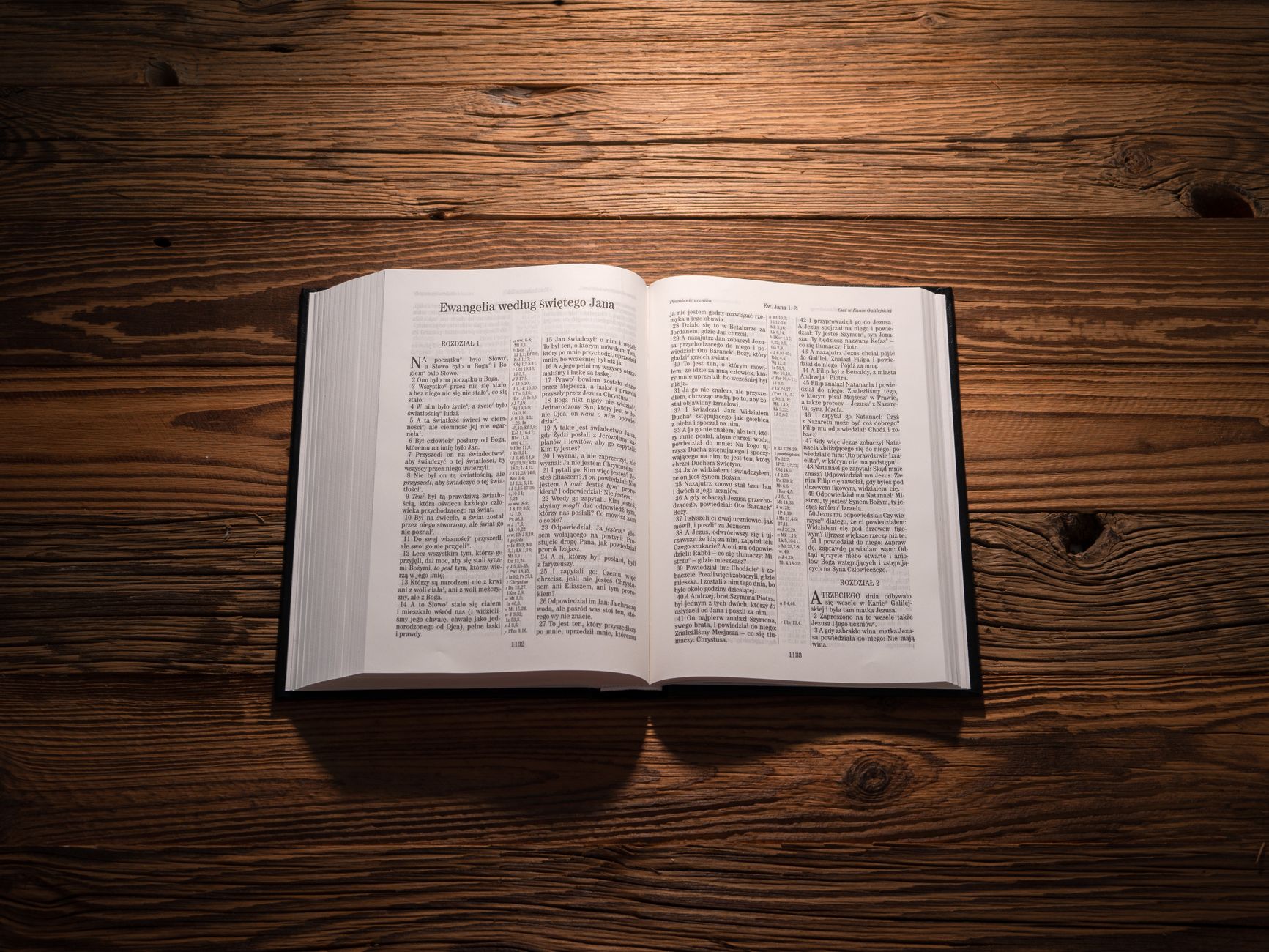
The last book of the Bible is the Book of Revelation, also known as the Apocalypse. This book holds a unique place within the Christian canon, presenting a vision of the end times, the final judgment, and the ultimate triumph of good over evil. Understanding its content and context can significantly enhance one’s appreciation for the biblical narrative as a whole.
Written by John, traditionally identified as John the Apostle, Revelation is noted for its vivid imagery and symbolism. As we delve into the themes, structure, and impact of this book, we can reflect on its relevance for faith communities today.
What Is the Last Book in the Bible?
The last book in the Bible is the Book of Revelation, which is the final text in the New Testament. It is often characterized by its apocalyptic literature style, presenting a series of prophetic visions that address the end of the world and the second coming of Christ. This book has been the source of much theological discussion and debate throughout Christian history.
Historical and Literary Context of Revelation
The Book of Revelation was written during a time of intense persecution for early Christians. Scholars generally believe it was composed towards the end of the first century CE, likely during the reign of Emperor Domitian, who was known for his oppressive measures against Christians. Understanding this historical backdrop enhances our grasp of the book’s themes, as it addresses the struggles and hopes of a beleaguered community.
Revelation belongs to a specific literary genre known as apocalyptic literature, which combines prophecy, symbolism, and visions. This genre aims primarily to reveal hidden truths and convey messages about divine sovereignty and ultimate justice.
Key Themes in the Book of Revelation
The Book of Revelation contains several key themes that resonate throughout its chapters:
- Hope and Encouragement: The book offers encouragement to Christians facing persecution, assuring them that God is in control and that justice will ultimately prevail.
- Judgment: Revelation presents a vision of final judgment where both the living and the dead will stand before God to be judged based on their deeds.
- The Triumph of Good over Evil: The narrative depicts the eventual defeat of Satan and the establishment of God’s kingdom, symbolizing the ultimate victory of good.
- The New Creation: The conclusion of the book promises a new heaven and new earth, where God will dwell among humanity, and pain, suffering, and death will be no more.
Structure of the Book of Revelation
The Book of Revelation consists of 22 chapters, structured as follows:
- Prologue (Chapter 1): Introduction and greeting, along with a vision of the risen Christ.
- Messages to the Seven Churches (Chapters 2-3): Specific messages, warnings, and encouragements to seven Christian communities in Asia Minor.
- Heavenly Vision (Chapters 4-5): A description of God’s throne and the Lamb (symbolizing Christ), emphasizing worship and divine authority.
- Seals, Trumpets, and Bowls (Chapters 6-16): A series of catastrophes resulting from divine judgment, culminating in a climactic battle between good and evil.
- The Fall of Babylon (Chapters 17-19): The symbolic fall of a corrupt system that opposes God, representing ultimate judgment upon sin.
- The New Heaven and New Earth (Chapters 20-22): The final destiny of believers, the eternal state, and a vision of the New Jerusalem.
Interpretations of Revelation
Throughout history, the Book of Revelation has been interpreted in various ways, leading to differing theological understandings:
- Preterist View: This interpretation suggests that most of the events described in Revelation were fulfilled in the first century, particularly concerning the fall of Jerusalem and the Roman Empire’s persecution.
- Historicist View: Historicists see Revelation as a prophetic outline of church history from the apostolic age up to the present day, tracking the triumph of Christianity through various historical epochs.
- Futurist View: Many contemporary evangelical Christians adopt this interpretation, believing that much of Revelation points towards future events, including the rapture, tribulation, and return of Christ.
- Idealist View: This perspective views Revelation as a timeless allegory depicting the ongoing struggle between good and evil, rather than a literal prediction of specific events.
The Impact of Revelation on Christian Life
The Book of Revelation has had a profound influence on Christian worship, art, and doctrine. Its imagery has inspired countless works of art, music, and literature throughout the centuries. Moreover, Revelation’s powerful messages of hope and resistance against oppression continue to resonate in contemporary faith communities.
Revelation and Worship
In many Christian traditions, passages from Revelation are incorporated into worship services, particularly during the liturgical seasons that focus on eschatology, or the study of end times. The vivid depictions of heavenly worship serve to inspire believers and elevate their understanding of God’s majesty and plan.
Reflection and Spiritual Growth
Reading the Book of Revelation can stimulate deep reflection about one’s faith and values. It invites believers to consider important questions, such as:
- What does hope in God’s ultimate victory mean for my personal struggles?
- How can I find strength in my faith when facing adversity?
- In what ways can I contribute to the establishment of justice and peace in my community?
Engaging with these questions can facilitate spiritual growth and a deeper commitment to living out one’s faith in a meaningful way.
Practical Application of Revelation’s Teachings
To apply the teachings of Revelation, one can consider the following practical steps:
- Engagement with Scripture: Regularly read and meditate on the Book of Revelation to better understand its themes and messages.
- Active Participation: Get involved in your faith community, contributing time and resources to serve others and promote justice.
- Personal Reflection: Set aside time for prayer and contemplation, considering how the messages of Revelation apply to your current life circumstances.
- Cultivating Hope: In challenging times, focus on the promises of God as depicted in Revelation, allowing those truths to instill hope and courage.
Conclusion
The Book of Revelation serves as a powerful reminder of hope in the face of adversity and the promise of God’s ultimate victory. Its rich imagery, profound themes, and theological significance continue to challenge and inspire believers around the world. Engaging with this text not only enhances understanding of biblical prophecy but also fosters spiritual growth and communal strength.
As you explore Revelation for yourself, consider reflecting on how its teachings can influence your spiritual journey. You may also want to explore resources on prayer during fasting or learn about Jesus’ fast in the desert to deepen your faith practices. For further resources, visit prayers for fasting and discover how many days did Jesus fast in the desert for more insights on spiritual disciplines.