
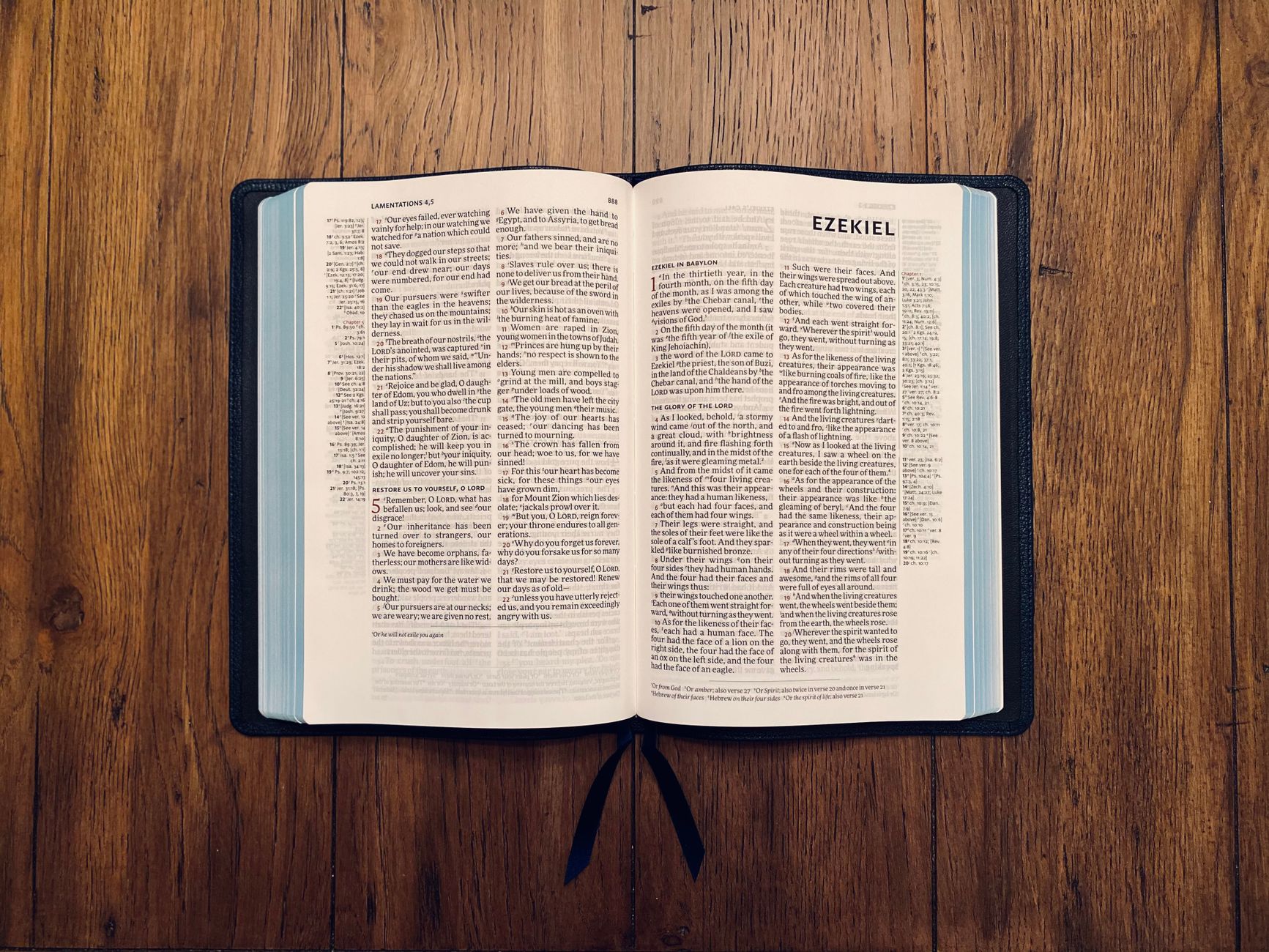
The biblical text is rich with various themes, stories, and teachings, capturing the evolution of faith and the practices surrounding it. Among the texts known for their length, one chapter stands out as the longest in the Bible. This article explores the longest chapter, delving into its contents, significance, and the lessons it holds for readers across different faith traditions.
Understanding the longest chapter in the Bible is not merely an exercise in numbers; it can provide insights into the literary and theological richness of the scripture. In this exploration, we will reflect on the text, its context within the Bible, and its broader implications for faith and spiritual growth.
What Is the Longest Chapter in the Bible?
The longest chapter in the Bible is Psalm 119. It consists of 176 verses, making it not only the longest chapter but also a profound piece of scripture that focuses on the themes of God’s law, commands, and word. The Psalm is structured as an acrostic poem, with each of its 22 sections corresponding to the letters of the Hebrew alphabet. Each section consists of eight verses, and each verse within a section begins with the same Hebrew letter.
The Structure and Themes of Psalm 119
Psalm 119 is divided into 22 stanzas, one for each letter of the Hebrew alphabet. This unique structure serves not only as a literary device but also as a means of memorization. The consistent repetition and focus on the law serve to emphasize the importance of God’s word in the lives of the faithful.
- Obedience to God’s Law: The psalmist emphasizes the necessity of following God’s commandments as a source of wisdom and guidance.
- Delight in Scripture: Throughout the Psalm, there is a deep appreciation for God’s law. The psalmist expresses joy and love for the commandments, highlighting their value.
- Prayer for Understanding: The speaker often prays for greater understanding and insight into the divine statutes, recognizing human limitations.
- Afflictions and Deliverance: The theme of suffering and the search for consolation through God’s words comes through strongly, adding an element of emotional depth to the text.
Historical Context of Psalm 119
Psalm 119 stands as a reflection of the spiritual life of ancient Israel. It is attributed to various authors throughout Jewish tradition, with King David commonly associated with many of the Psalms due to his role as both a leader and a deeply spiritual figure. The historical context places this Psalm within a time when adherence to the law was paramount for communal identity and faith.
This emphasis on God’s law is especially poignant when considering Israel’s struggles against outside influences and the importance of maintaining a distinct faith and lifestyle. The psalm serves as a reminder of the foundational role of the law in shaping personal and communal identity.
Theological Significance of Psalm 119
The theological depth of Psalm 119 is substantial for both Jewish and Christian traditions. For Jewish readers, it encapsulates the beauty and importance of the Torah. It highlights the daily relevance and necessity of spiritual guidance offered through God’s instructions.
For Christians, the Psalm can enhance understanding of Jesus as the fulfillment of the law. As believers reflect on this text, they often find connections to the New Testament teachings that synthesize the message of the law with the message of grace and love. The overarching themes of love for God’s word and the transformative power of engaging with scripture remain central in both traditions.
Lessons from Psalm 119
As we engage with the text of Psalm 119, several reflective lessons emerge that can be applied in spiritual practice:
- The Importance of Scripture: Psalm 119 reinforces the significance of scripture in personal faith. It encourages readers to engage deeply with the text and allow it to inform their lives.
- Understanding Through Prayer: The Psalmist’s repeated prayers for understanding model an important approach to spiritual growth: coming to God with a desire to learn and grow.
- Joy in Obedience: Embracing God’s commandments is portrayed not merely as an obligation but as a source of joy, shifting perspectives on obedience to one of love and commitment.
- The Role of Community: The communal aspect of faith portrayed in the Psalm speaks to the importance of supporting one another in adherence to faith and spiritual practices.
Practical Applications from Psalm 119
Incorporating the lessons from Psalm 119 into daily life can deepen one’s faith and enhance spiritual growth. Consider these practical applications:
- Daily Scripture Reading: Set aside time each day to read portions of the Bible, engaging with the texts through reflection and prayer.
- Memorization: Utilize the acrostic structure of Psalm 119 as a tool for memorizing important verses, enriching one’s internal dialogue with scripture.
- Prayer Journal: Keep a journal to reflect on insights gained from scripture, writing prayers that seek understanding and guidance.
- Community Discussion: Engage with a faith community to discuss interpretations of the law and its relevance in modern life.
Reflections on the Role of Scripture in Spiritual Life
The role of scripture, as highlighted in Psalm 119, is foundational in nurturing a strong spiritual life. Across various religious traditions, scripture plays a vital part in guiding ethical behavior, shaping community values, and fostering personal reflection.
Engaging with scripture creates opportunities for spiritual nourishment, moral reflection, and community building. In seeking guidance through these texts, believers are often reminded of their connection to a larger tradition and the shared wisdom that spans centuries.
The Interfaith Perspective on Scripture
In a broader interfaith context, the reverence for scripture can be observed across various traditions, though the texts and interpretations may differ. Common themes of moral guidance, spiritual growth, and community order can be found in religious texts from Buddhism to Islam, demonstrating a shared human quest for understanding.
- Respect for Scriptures: The approach to scripture in different faiths often reflects a profound respect for the written word and its capacity to convey divine wisdom.
- Common Ethical Teachings: Many religious texts, while unique in their narratives, convey similar ethical principles, such as compassion, justice, and love for others.
- Spiritual Exploration: Engaging with scriptures from different traditions fosters interfaith dialogue and understanding, enhancing overall spiritual growth.
Conclusion
Psalm 119 serves not only as the longest chapter in the Bible but also as a profound source of spiritual guidance. Its themes of love for God’s law, the quest for understanding, and the joy of obedience highlight essential aspects of spiritual life across traditions. By engaging with this chapter, readers can find pathways for personal growth, community engagement, and a deeper connection to the divine.
As you reflect on the teachings of Psalm 119, consider how its lessons can shape your daily practices. A simple next step could be to choose a verse from the Psalm and meditate on its meaning and application in your life. This exercise can help deepen your relationship with scripture and enhance your spiritual journey.
For further exploration of related topics, consider reading articles on Bible Verses About Food and Prayers for Food to gain more insights into how scripture informs daily living and spiritual practice.