
The world’s oldest buildings provide fascinating insights into ancient civilizations and their architectural prowess. These structures, some dating back thousands of years, continue to intrigue historians, archaeologists, and travelers alike. This guide explores notable ancient buildings, their significance, and travel tips for visiting these historical sites.
From the enduring Stonehenge in England to the breathtaking Göbekli Tepe in Turkey, each site tells a story that transcends time. In this article, we will answer the question, “What is the oldest building in the world?” and provide practical information for making the most of your visit.
What Is The Oldest Building In The World?
The oldest building in the world is the Göbekli Tepe in Turkey, which dates back to approximately 9600 BCE. This archaeological site consists of massive stone pillars arranged in circles, believed to have been used for ritualistic purposes. Its discovery has reshaped our understanding of prehistoric humans and their societal structure.
Göbekli Tepe predates Stonehenge by around 6,000 years, making it a significant landmark in human history. Many travelers consider visiting here a pilgrimage to the dawn of civilization, offering a glimpse into ancient customs, spirituality, and community organization.
Other Notable Ancient Structures
While Göbekli Tepe takes the crown for the oldest building, many other remarkable structures share a rich history. Here are a few notable mentions:
- Stonehenge (England) – Dating back to around 2500 BCE, this prehistoric monument is one of the most famous landmarks in the UK. It features a ring of standing stones and is believed to have served astronomical, ceremonial, or funerary purposes.
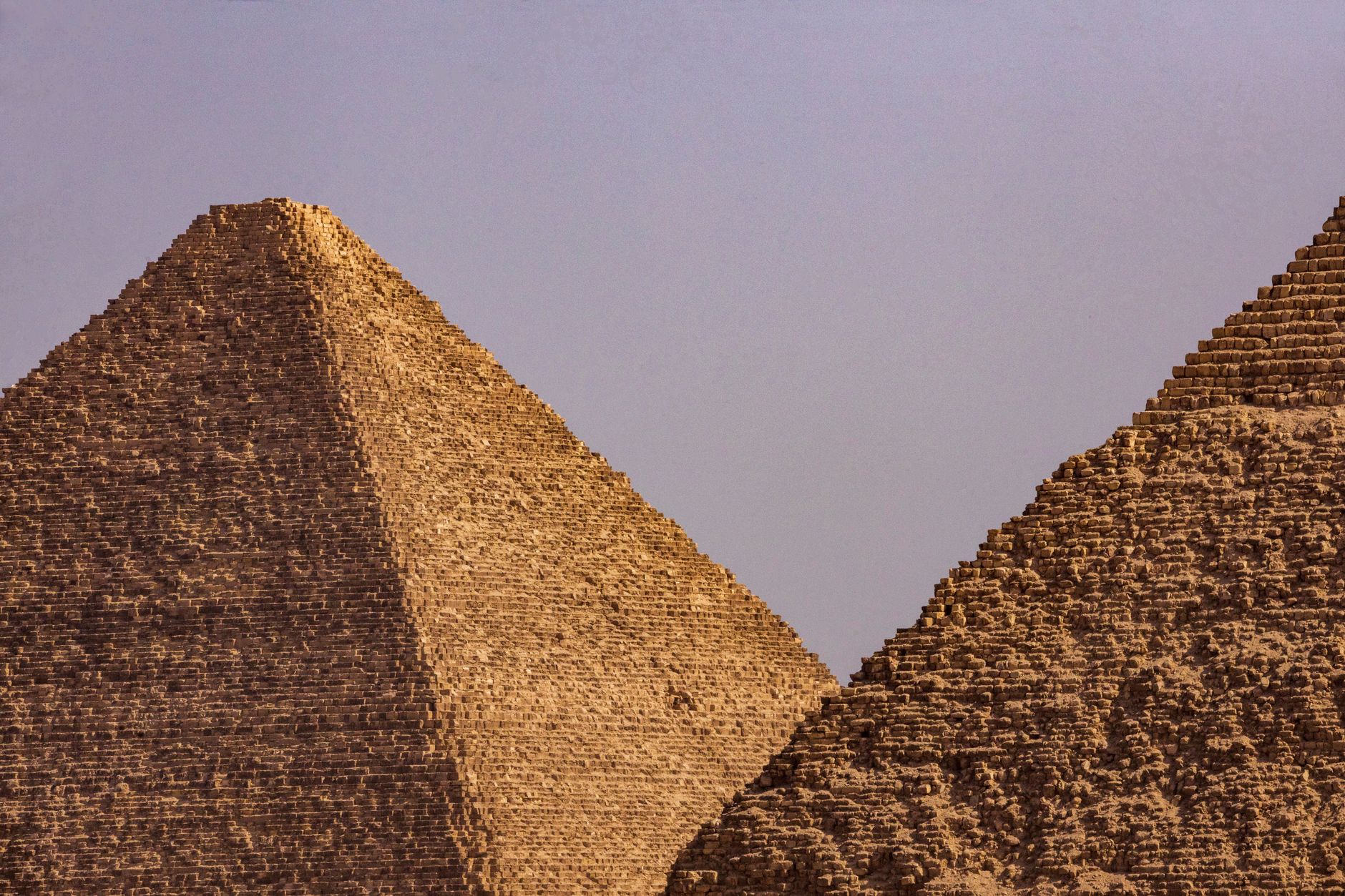
- Pyramids of Giza (Egypt) – The Great Pyramid, built around 2580-2560 BCE, is the oldest of the three pyramids in Giza and one of the Seven Wonders of the Ancient World. It was built as a tomb for Pharaoh Khufu.
- Karnak Temple (Egypt) – A massive complex built over 2,000 years, starting around 2055 BCE. It was dedicated to the Theban triad of Amun, Mut, and Khonsu and is filled with impressive obelisks and temples.
- Newgrange (Ireland) – A prehistoric monument built around 3200 BCE, this structure is a passage tomb that aligns with the winter solstice, showcasing the early understanding of astronomy and ritualistic significance.
- Çatalhöyük (Turkey) – A Neolithic settlement dating back to around 7500 BCE, known for its mudbrick houses and complex social structures, which offers insights into early urban living.
Planning Your Visit to Ancient Sites
Exploring ancient buildings offers travelers unique perspectives on the history of humanity. Planning is essential to fully enjoy these incredible sites. Here’s what to consider:
Choosing Your Destinations
When planning to visit ancient sites, prioritize destinations based on your interests:
- Historical Significance – Opt for destinations with deep cultural and historical relevance, such as Egypt and Turkey.
- Accessibility – Consider locations that are easy to reach through local transport and have amenities for travelers.
- Guided Tours – Some sites benefit from guided tours that provide deeper insights into historical contexts.
Suggested Trip Length
The amount of time you spend will depend on how many sites you want to visit and your pace. Here’s a rough guide:
- A weekend for a single location (e.g., Stonehenge or the Pyramids).
- Three to seven days for multiple sites (e.g., a tour of Egypt or Turkey).
- Longer trips (two weeks or more) can include several countries, allowing time for cultural experiences and relaxation.
When to Visit
Timing your visit can significantly enhance the experience. Here are a few seasonal considerations:
- Spring (March to May) and Fall (September to November) are great for mild weather and fewer crowds at many archaeological sites.
- Summer (June to August) can be hot, especially in places like Egypt. However, it may be easier to find accessible tours and accommodations during peak tourist season.
- Winter can bring fewer visitors, but some sites may have shorter hours or be closed due to weather conditions, particularly in Europe.
Accessibility and Transportation
Getting around to these ancient sites can vary based on location. Here’s what to keep in mind:
Getting There
Consider the following transportation options:
- Local Flights – In countries like Turkey and Egypt, flights between major cities can save time and are often well-priced.
- Trains and Buses – Look into train or bus services for comfortable travel between major destinations, especially in Europe.
- Car Rentals – Renting a car can afford flexibility, particularly in rural areas where public transport may be limited.
Local Transport
Once at your destination, consider these local transport methods:
- Guided Tours – Often the easiest option, especially for historical sites requiring context.
- Public Transport – Research local buses or subways that can take you to major sites.
- Walking Tours – Many ancient sites offer walking experiences enriched with cultural narratives.
Budgeting Your Trip
Traveling to historical sites can vary in cost. Here are some budgeting tips:
Typical Costs
When budgeting, consider:
- Airfare to reach your initial destination.
- Accommodations, which can range from budget hostels to luxury hotels.
- Entry fees for archaeological sites, which can vary significantly; always check in advance.
- Food and local transportation, which can be economical if you plan appropriately.
Money-Saving Tips
Save on costs with these strategies:
- Invest in multi-attraction passes available in tourist regions that cover entry fees for several sites.
- Consider off-peak travel for lower prices on flights and hotels.
- Utilize local street food and casual dining to save while experiencing authentic cuisine.
Accommodation Options
Choosing the right place to stay is essential when visiting ancient sites. Here are some recommended types of accommodation:
Types of Accommodation
- Hotels – Popular in urban centers, offering amenities typically preferred by travelers.
- Guesthouses – More personal experiences; often run by locals who may provide insights into nearby attractions.
- Hostels – Budget-friendly options for solo travelers or those seeking social interactions.
- Airbnbs – Great for family or group stays; can provide home-like amenities and local flavor.
Areas to Stay
Choosing the right area can enhance your visit:
- In Cairo – Consider staying near the Giza Plateau for easy access to the pyramids.
- In Istanbul – Opt for accommodations in Sultanahmet, which is close to famous sites like Hagia Sophia and Topkapi Palace.
- In Göbekli Tepe – Look for local guesthouses that offer cultural experiences and guided tours to the site.
Cultural Experiences
To enrich your travels to these ancient sites, consider engaging in local cultural experiences:
Participating in Local Customs
- Learn basic phrases in the local language to connect more deeply with residents.
- Attend traditional festivals or events that celebrate local history.
- Try participating in guided tours led by local historians who can provide unique perspectives.
Culinary Experiences
Food is an integral part of culture. Here are some suggestions:
- Enjoy local delicacies such as Egyptian koshari or Turkish meze while visiting ancient sites.
- Participate in cooking classes that reflect the region’s culinary heritage.
- Visit markets for fresh and local produce and snacks.
Best Practices for Visiting Ancient Sites
While exploring historical sites, consider responsible tourism practices:
- Respect the cultural significance of the sites; avoid touching or climbing on ancient structures.
- Follow local guidelines to preserve the integrity of the sites for future generations.
- Be mindful of litter and dispose of waste properly.
Concluding Remarks
Visiting the world’s oldest buildings not only provides a window into the past but also connects travelers to the shared heritage of humanity. Whether you find yourself standing under the towering stones of Göbekli Tepe or marveling at the precision of the Great Pyramid, these experiences are sure to enrich your understanding of history.
Now that you’re equipped with practical information and insights, consider planning your journey to these timeless locations. Take the next step in your adventure by learning more about the history behind the oldest building in the world and other ancient sites. Happy travels!