
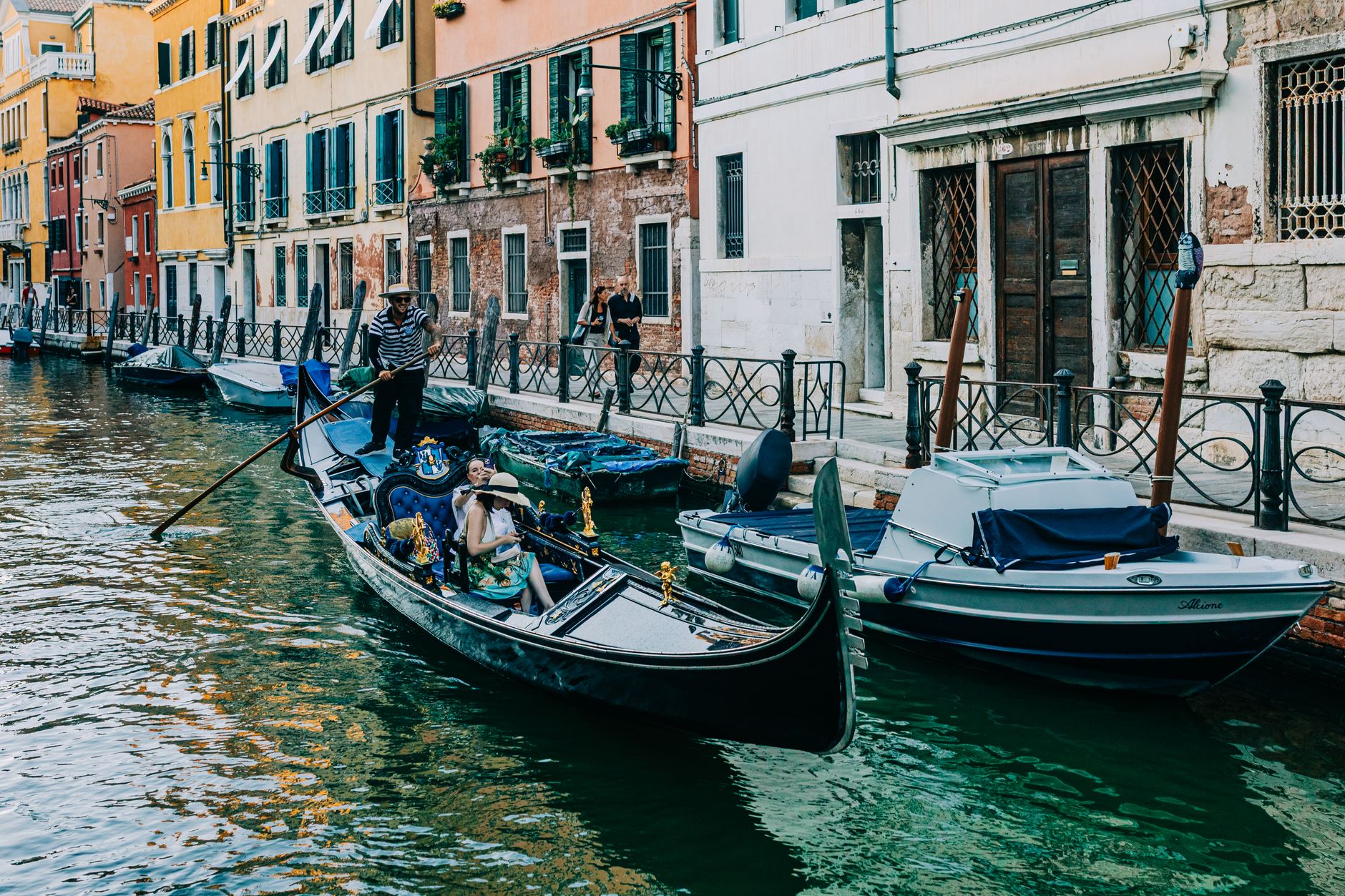
Venice is one of the most iconic cities in the world, renowned for its stunning canals, rich history, and vibrant culture. Travelers flock to this floating city to experience its unique atmosphere, from the intricate architecture to the delectable local cuisine. Understanding what makes Venice famous will help you plan a memorable visit.
The city’s allure can be attributed to a harmonious blend of its historical landmarks, diverse neighborhoods, and unparalleled culinary scene. In this guide, we’ll explore the highlights of Venice, including its must-see attractions, local delicacies, and significant historical moments that shaped its identity.
What Is Venice Famous For?
Venice is famous for its picturesque canals, historic architecture, cultural landmarks, and diverse cuisine. Travelers are drawn to its iconic gondola rides, the grand St. Mark’s Basilica, and traditional dishes like cicchetti and risotto al nero di seppia. Explore the unique districts to fully appreciate the city’s charm and history.
Historical Significance of Venice
Venice has a rich and storied history that dates back over 1,500 years. Founded in the 5th century by refugees escaping barbarian invasions, it quickly developed into a powerful maritime republic known as the Republic of Venice.
During its zenith in the Middle Ages and Renaissance, Venice was a major trading hub, enabling exchange with distant lands. Its strategic location between Europe and the East allowed for the shipment of spices, silk, and other luxurious goods, which contributed to cultural and economic prosperity.
The city flourished artistically during the Renaissance, producing renowned figures such as artists Titian and Tintoretto and architects like Palladio. Venice became a center of artistic innovation, with its architectural marvels reflecting grandeur and sophisticated design.
Architectural Wonders
Venice is famed for its stunning architecture which blends Byzantine, Gothic, and Renaissance styles. Key sites include:
- St. Mark’s Basilica: This stunning cathedral showcases mosaic tiles and intricate designs, a testament to the city’s rich artistic legacy.
- Doge’s Palace: Once the residence of the Doge, the palace is an impressive example of Venetian Gothic architecture, complete with elaborately decorated rooms and a fascinating history.
- Rialto Bridge: A feat of engineering, this prominent bridge offers breathtaking views of the Grand Canal and connects the San Marco district to San Polo.
- Bridge of Sighs: An iconic landmark that connects the Doge’s Palace to the prison, its ornate design and evocative name carry layers of history.
Popular Attractions in Venice
When exploring Venice, you’ll find no shortage of attractions and experiences to enjoy. Here are some of the most popular ones:
1. Gondola Rides
One of the most famous activities in Venice is taking a gondola ride. Gliding through the serene canals, you’ll experience a unique perspective of the city while enjoying the artisanal craftsmanship of the gondolas. Prices can vary, so it’s wise to shop around or opt for group rides to save costs.
2. Grand Canal
The Grand Canal is the main waterway that runs through Venice. A vaporetto (waterbus) ride provides an affordable way to travel through the city while taking in the stunning views of palaces and historical buildings lining the canal.
3. Piazza San Marco
This bustling square is often referred to as the heart of Venice. It’s surrounded by iconic landmarks, including St. Mark’s Basilica and the Campanile. The square fills with pigeons and tourists alike, creating a lively atmosphere perfect for people-watching.
4. Murano and Burano Islands
While in Venice, don’t miss the chance to visit Murano, known for its glass-blowing tradition, and Burano, famous for its colorful houses and lace-making. Both islands offer a glimpse into unique crafts, picturesque scenery, and a chance to escape the city’s hustle.
5. Doge’s Palace
As one of the most significant historical sites in Venice, the Doge’s Palace allows you to explore the opulent rooms and learn about the government of the Venetian Republic. Guided tours can offer deeper insights into its storied past.
Cultural Experiences and Local Food
Venice’s culture is as much about its food as it is about its art and architecture. Dining in the city is a unique experience that emphasizes local ingredients and traditional recipes. Here are some culinary highlights:
Cicchetti
Cicchetti are small plates typical of Venetian cuisine, similar to Spanish tapas. They’re often enjoyed with a glass of wine at local bacari (wine bars). Must-try cicchetti include:
- Polpette (meatballs)
- Bruschetta with various toppings
- Baccalà mantecato (creamed cod)
- Fritto misto (mixed fried seafood)
Seafood and Risotto
Being a coastal city, Venice boasts a rich seafood tradition. Specialties include:
- Risotto al nero di seppia: A signature dish made with cuttlefish ink, giving it a unique black color and distinct flavor.
- Spaghetti alle vongole: Pasta tossed with fresh clams, garlic, and olive oil, highlighting the fresh local catch.
- Grilled fish: Often served simply with herbs and olive oil, showcasing the natural flavors of the catch.
Wine and Spritz
To accompany your meals, try the local wines from the Veneto region or sip on a classic Spritz—made with Prosecco, bitter liqueur (like Aperol), and soda water—an apéritif that’s popular among locals.
Experiencing Venice’s Neighborhoods
Venice is made up of various neighborhoods, each offering distinct atmospheres and attractions. Here are key areas to explore:
San Marco
The most famous and visited district, San Marco is home to major attractions like St. Mark’s Basilica and the Doge’s Palace. Expect larger crowds here, especially during peak season.
San Polo
Known for its market, San Polo also features charming streets and the iconic Rialto Bridge. It’s a great area for food enthusiasts seeking authentic cicchetti bars.
Canareggio
This area offers a more local feel, with fewer tourists. Wander through picturesque canals and visit the Jewish Ghetto, where you can learn about the history of Venice’s Jewish community.
Dorsoduro
Dorsoduro is home to the renowned Peggy Guggenheim Collection, showcasing modern art. This district is quieter, making it ideal for leisurely strolls along the canals.
Best Times to Visit Venice
Understanding seasonal patterns in Venice can enhance your experience. The city hosts events throughout the year that attract visitors:
- Spring (March to May): Mild weather and blooming flowers make this a beautiful time to visit. It’s less crowded than the summer months.
- Summer (June to August): The most popular time for tourists, expect large crowds and hotter temperatures. Booking accommodations in advance is essential.
- Autumn (September to November): A great time for cultural events, including the Venice Film Festival and Biennale Art Exhibition. Cooler weather and fewer crowds create a pleasant atmosphere.
- Winter (December to February): Although it can be chilly, the city transforms into a winter wonderland. The Carnival of Venice in February is a major highlight, featuring extravagant masks and costumes.
Getting Around Venice
Transportation in Venice differs significantly from most cities due to its unique canal system. Here are some options to navigate your way:
Walking
The best way to explore the city is on foot. Walk along the narrow streets and embrace the charm of the canals and bridges while discovering hidden gems.
Vaporetto
The vaporetto, or water bus, is the primary public transport system in Venice. It connects different areas of the city and is especially useful for getting to the islands of Murano and Burano.
Gondola Rides
While more expensive, gondola rides can be an unforgettable way to see the city. Choose to share a gondola to save on costs or opt for a scenic ride during sunset.
Accommodation Options
Choosing where to stay in Venice can greatly influence your visit. Here’s a breakdown of accommodation types and areas:
Luxury Hotels
For a lavish experience, consider hotels in San Marco or along the Grand Canal, offering stunning views and top-notch amenities.
Mid-Range Hotels
A variety of mid-range hotels can be found throughout San Polo and Cannaregio, providing comfort without breaking the bank.
Budget Accommodation
If you’re traveling on a budget, consider hostels or guesthouses in the Dorsoduro area. These tend to be more affordable while still allowing easy access to attractions.
Airbnb and Apartments
Renting an apartment can create a more homely atmosphere, especially for families or groups. Look for options in quieter neighborhoods for a local experience.
Travel Tips for Venice
Before embarking on your Venetian adventure, consider these practical tips:
- Pack comfortable shoes: With so much walking to do, comfortable footwear is essential for navigating the cobblestone streets.
- Watch the tides: Venice is subject to acqua alta (high water) during certain times of the year. Check forecasts and plan accordingly.
- Be respectful of local customs: Dress modestly when visiting churches, and be mindful of local etiquette, such as avoiding loud noises.
- Book ahead: Popular attractions and experiences can fill up quickly, particularly during peak seasons. Booking in advance ensures you won’t miss out.
- Stay hydrated: Venice can get warm, especially in the summer. Carry a refillable water bottle—there are many drinking fountains around the city.
Summary
Venice is a city that captures the heart of all who visit. Its iconic canals, rich history, and delectable cuisine come together to create a uniquely captivating experience. By understanding what Venice is famous for, from its attractions to its local dishes, you can plan a memorable trip that embraces the true essence of this enchanting city.
Ready to plan your adventure? Explore related destination guides for further insights into Venice and consider itineraries for your visit. Delve into our guide on What Venice Is Famous For, and learn how many islands are in Venice with our guide at How Many Islands in Venice.