
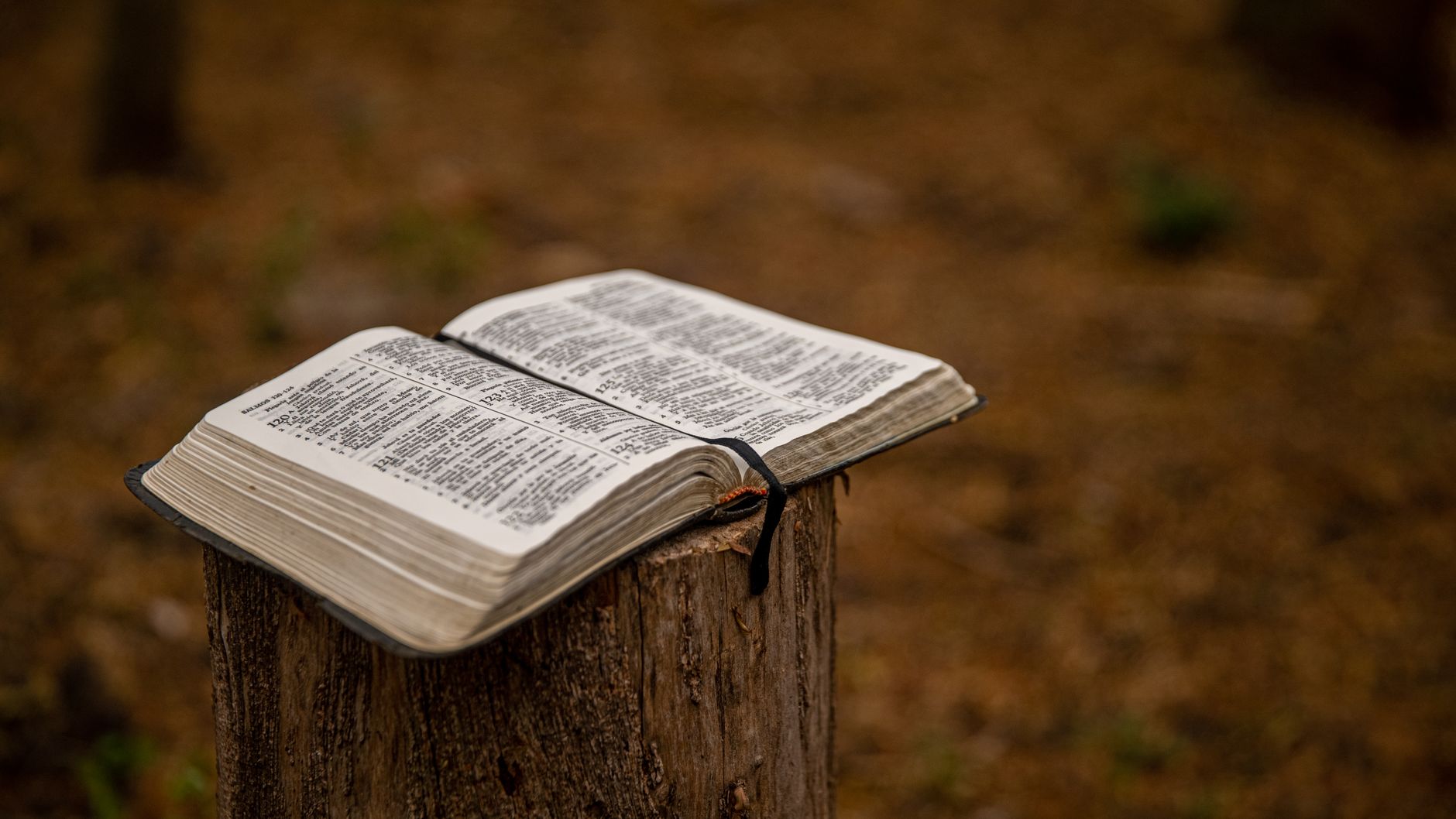
The question of what order to read the Bible often arises among both new and seasoned believers seeking to deepen their understanding of scripture. Given the diverse styles, genres, and contexts within the Bible, it is helpful to approach the text with a thoughtful plan. This guide aims to provide a structured way to explore the Bible, reflecting on its meaning and context.
The Bible is a collection of sacred writings for Christians, consisting of the Old Testament and the New Testament. Each book carries its own message, lessons, and historical background, which can greatly enhance one’s spiritual journey. Understanding the right order can facilitate a richer interpretation of the scripture, encouraging personal and communal reflection.
What Order Should I Read the Bible?
The choice of what order to read the Bible largely depends on individual goals and backgrounds. Here are some of the common approaches that believers might consider:
- Chronological Order: Reading the Bible as historical events unfold can provide context to the narrative.
- Canonical Order: This approach follows the order in which books are traditionally arranged in the Bible, from Genesis to Revelation.
- Thematic Order: Many readers choose to focus on specific themes, such as love, faith, or justice.
- Books of Special Interest: Some choose to concentrate on certain books that resonate with personal life experiences or spiritual questions.
Understanding the Structure of the Bible
Before determining the reading order, it’s helpful to understand the structure of the Bible and its different sections:
- The Old Testament: Contains books like Genesis, Exodus, Psalms, and Isaiah, central to Jewish history and Christian faith, detailing the creation, the law, the kings, and the prophets.
- The New Testament: Focuses on the life of Jesus Christ, the establishment of the Church, and includes the Gospels, Acts, Epistles, and Revelation. It addresses themes of redemption, grace, and Christian living.
Exploring Different Reading Plans
Given the variety of methods available, you might consider the following detailed reading plans:
1. Chronological Reading Plan
This plan involves reading the Bible in the order that events occurred historically. For example, one would read Genesis, Exodus, the historical books of Israel, the prophets, and then proceed to the New Testament. Common chronological reading plans include:
- Genesis
- Exodus
- Historical Books (Joshua to Esther)
- Major Prophets (Isaiah, Jeremiah, Ezekiel)
- Minor Prophets (Hosea to Malachi)
- Gospels (Matthew, Mark, Luke, John)
- Acts of the Apostles
- Letters of Paul and other Epistles
- Revelation
2. Canonical Reading Plan
This approach follows the traditional sequence of the Bible as arranged. Here’s a simple structure for this plan:
- Genesis
- Exodus
- Matthew
- Mark
- Psalms
- Proverbs
- Luke
- John
- Acts
- Revelation
3. Thematic Reading Plan
Choosing thematic readings helps focus your study on specific interests or aspects of faith. You might consider themes such as:
- Faith and Trust: Read Hebrews 11, Psalms, and the stories of Abraham and Moses.
- Love: Explore 1 Corinthians 13, the Gospels, and 1 John.
- Justice: Study the books of Amos, Micah, and selected passages from the prophets.
The Importance of Context in Bible Reading
As you read, it’s important to consider the context of each book, including:
- Historical Context: Understanding the historical background and purpose for which a book was written can enrich your comprehension.
- Cultural Context: Each book was written within a specific cultural framework that can affect its messages.
- Literary Context: Recognizing the literary style of a passage (poetry, narrative, parable) is essential for accurate interpretation.
Reflective Practices During Bible Reading
To deepen your experience, consider incorporating reflective practices into your reading:
- Journaling: Write your thoughts, reflections, and questions as you read.
- Prayer: Begin and end each reading with prayer for insight and understanding.
- Discussion: Engage with others in study groups to discuss interpretations and applications.
Using Supplemental Resources
Supplemental resources can enhance your understanding of the scriptures. Consider the following resources:
- Commentaries: Use biblical commentaries written by respected scholars for deeper insights into texts.
- Study Bibles: These often include notes, maps, and explanations to clarify passages.
- Online Courses: Many institutions offer free or low-cost Bible study courses.
Staying Spiritually Grounded During Your Bible Reading
As you embark on your Bible reading journey, remaining spiritually grounded is essential. Here are some tips to help you stay connected:
- Create a Sacred Space: Find a quiet, comfortable place to read and reflect.
- Set Regular Reading Times: Establish a consistent schedule to make Bible reading a habit.
- Incorporate Meditation: After reading, take a few moments to meditate on key verses and their implications for your life.
Conclusion: Personalizing Your Approach to Bible Reading
Ultimately, the order in which you read the Bible should resonate with your spiritual journey and needs. Each approach provides unique insights and allows for personal growth. Whichever reading strategy you select, anchor your experience in prayer, reflection, and openness to guidance from the Holy Spirit.
As you reflect on this reading approach, consider asking yourself: “What is the most important lesson I hope to learn from my reading of the Bible?” Allow this question to guide your exploration of scripture.
For those interested in further exploration of how food and spirituality overlap, consider checking out some related articles that touch upon scripture and food experiences, such as Bible Verses About Food and Prayers for Food. These texts can provide insights into how the themes of nourishment and sustenance weave into spiritual practice.