
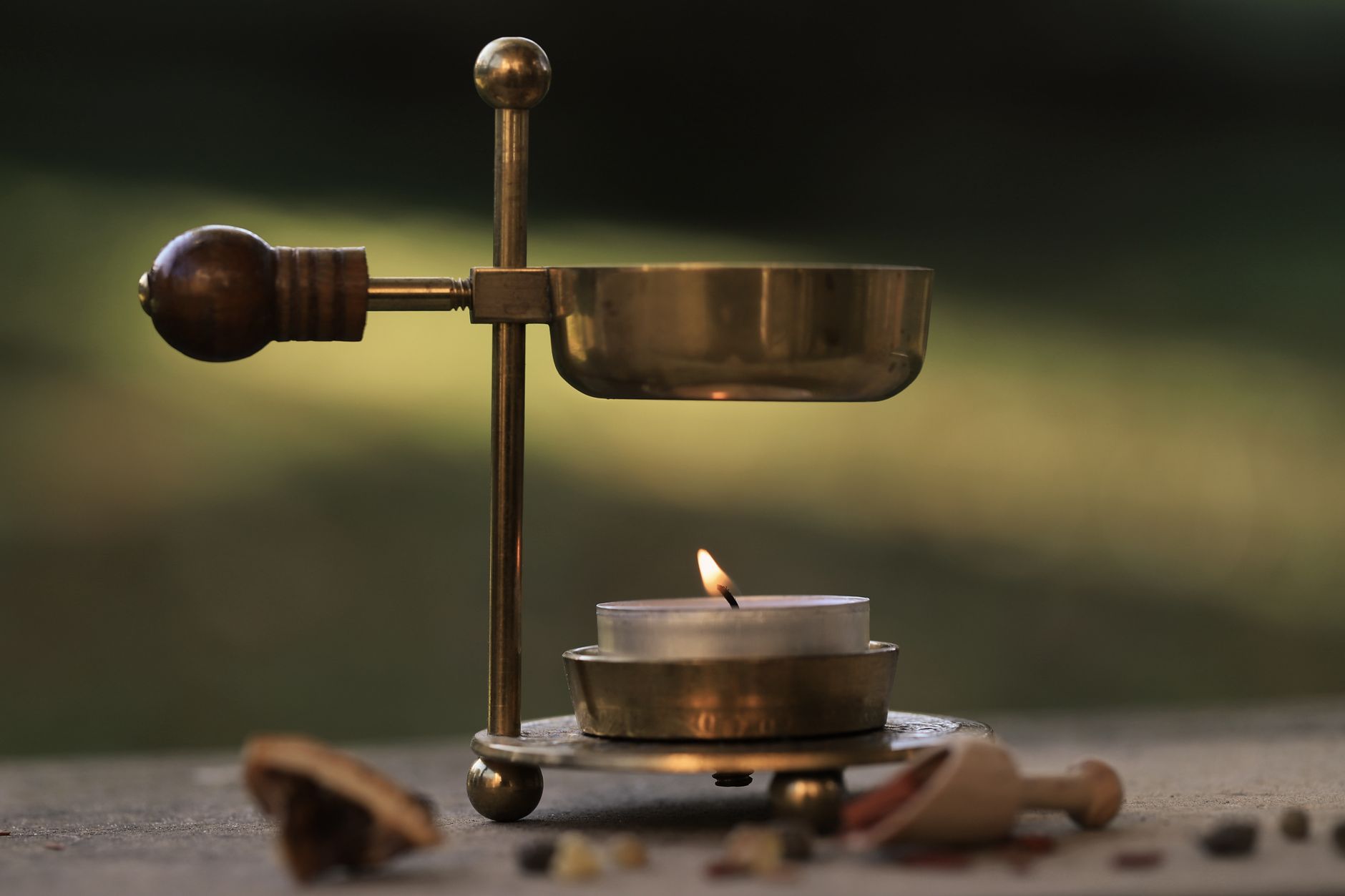
Frankincense is one of the most iconic and revered substances mentioned in the Bible, often associated with sacred rituals and spiritual practices. This aromatic resin has played a significant role in various religious traditions, particularly within Christianity, Judaism, and Islam. Understanding its historical uses and the symbolism it carries can deepen one’s appreciation of its significance in biblical narratives.
This article explores what frankincense was used for in the Bible, its cultural and ritualistic applications, and how it continues to resonate in contemporary spiritual practices.
What Was Frankincense Used for in the Bible?
Frankincense, derived from the resin of the Boswellia tree, was historically valued for its fragrance and medicinal properties. In the Bible, this resin was primarily used in worship and rituals, embodying various symbolic meanings. Its applications ranged from offerings in the tabernacle to its inclusion in sacred anointing oils.
In religious contexts, frankincense was often employed in sacrifices and as a symbol of divinity, offering, and prayer. This multifaceted usage highlights its significance beyond mere fragrance; it represented a means of connecting with the divine.
The Historical Context of Frankincense
To fully appreciate frankincense’s biblical significance, it’s essential to understand its historical context. Frankincense has been harvested and used since antiquity, particularly in the regions surrounding the Arabian Peninsula. The trade routes, such as the Incense Route, facilitated the movement of frankincense across vast distances, making it a highly sought-after commodity.
Ancient civilizations valued frankincense for various reasons, including:
- Religious Significance: Various cultures, including the Egyptians, used frankincense in rituals to honor their gods.
- Medicinal Uses: Frankincense was believed to have healing properties and was used in traditional medicine.
- Valuable Commodity: Its scarcity and the difficulty of harvesting it made frankincense a valuable trade item, often compared in worth to gold.
Frankincense in the Old Testament
In the Old Testament, the use of frankincense is well-documented, particularly in the context of worship and offerings. Here are some notable references:
1. The Tabernacle Offerings
Frankincense was one of the ingredients used in the offerings made in the Israelite tabernacle. In Exodus 30:34-38 (NIV), God commands Moses to create a sacred incense composed of blended spices, including frankincense:
“Then the LORD said to Moses, ‘Take fragrant spices—gum resin, onycha and galbanum—and pure frankincense, all in equal amounts. Make a fragrant blend of incense, the work of a perfumer. It is to be salted and pure and sacred. Grind some of it to powder and place it in front of the Ark of the Covenant, in the tent of meeting, where I will meet with you. It shall be the most holy to you.’”
Here, frankincense symbolizes the people’s prayers rising to God, enhancing the sacredness of their offerings.
2. The Showbread
In the tabernacle, frankincense was also placed on the showbread, a ceremonial offering made of twelve loaves of bread. According to Leviticus 24:7 (NIV):
“Place the bread of the Presence on the table before the LORD at all times. There, on the table, they are to put pure frankincense as a memorial portion to represent the bread and to be a food offering presented to the LORD.”
This use once again underscores frankincense’s role in connecting the physical elements of worship with spiritual offerings.
Frankincense in the New Testament
Frankincense continues to appear in the New Testament and is famously linked to the Nativity story. This association illustrates its significance not just as a valued commodity but as a symbol of reverence.
The Gifts of the Magi
In Matthew 2:11 (NIV), the Wise Men brought gifts to the infant Jesus, one of which was frankincense:
“On coming to the house, they saw the child with his mother Mary, and they bowed down and worshiped him. Then they opened their treasures and presented him with gifts of gold, frankincense and myrrh.”
This act of offering frankincense to Jesus signifies acknowledgment of his divine nature, as frankincense symbolized both worship and acknowledgment of holiness.
The Symbolism of Frankincense
Frankincense carries profound symbolic meanings in biblical texts and beyond. Its key representations include:
- Prayer: Frankincense is often seen as emblematic of prayers, particularly due to its use in sacred rituals.
- Divinity: Its association with worship suggests a recognition of the divine, particularly when offered in reverence.
- Purity: Frankincense’s fragrant quality and use in holy contexts depict purity and dedication to God.
Modern Uses of Frankincense in Spiritual Practices
Frankincense remains a significant element in modern spiritual practices, reflecting its ancient roots while being adapted to contemporary life. Here are some common uses today:
1. Aromatherapy and Meditation
Many people use frankincense essential oil in aromatherapy to promote relaxation and mental clarity. When used during meditation, it can help create a conducive environment for spiritual reflection and contemplation.
2. Ritual and Ceremony
In various religious ceremonies, frankincense is still burned as incense. This act symbolizes the lifting of prayers to the divine, enhancing the worship experience.
3. Spiritual Growth
Practitioners often use frankincense in personal rituals aimed at spiritual growth and transformation. Its fragrance can evoke a sense of connection to the divine, making it a powerful tool for reflection and inner peace.
Practical Applications and Reflection
Integrating frankincense into personal spiritual practices can enrich one’s journey. Here are some practical steps:
- Incorporate Frankincense in Prayer: Use frankincense in your prayer space, whether by burning incense or using essential oils. Allow the scent to enhance your meditation time.
- Create a Sacred Space: Designate an area in your home for prayer and reflection. Add frankincense as an offering or element of that space.
- Reflect on Symbolism: Spend time reflecting on the meanings of frankincense, such as prayer, divinity, and purity. Consider how these themes apply to your own life.
- Join a Community: Engage with a spiritual community that values the use of frankincense and other sacred rites. This connection can deepen your understanding and practice.
Conclusion
Frankincense serves as a potent symbol of reverence, connection, and celebration in biblical traditions. Its historical significance and multifaceted meanings can enhance personal and communal spiritual practices today. As you explore the depths of its symbolism, consider how you might incorporate frankincense into your own spiritual journey, allowing its rich history and sacred qualities to inform your faith.
For those wishing to delve deeper into spiritual nourishment, consider exploring further with Bible verses about food for the soul or prayers for fasting. These resources can provide insights into how spiritual practices intersect with your journey of faith.