
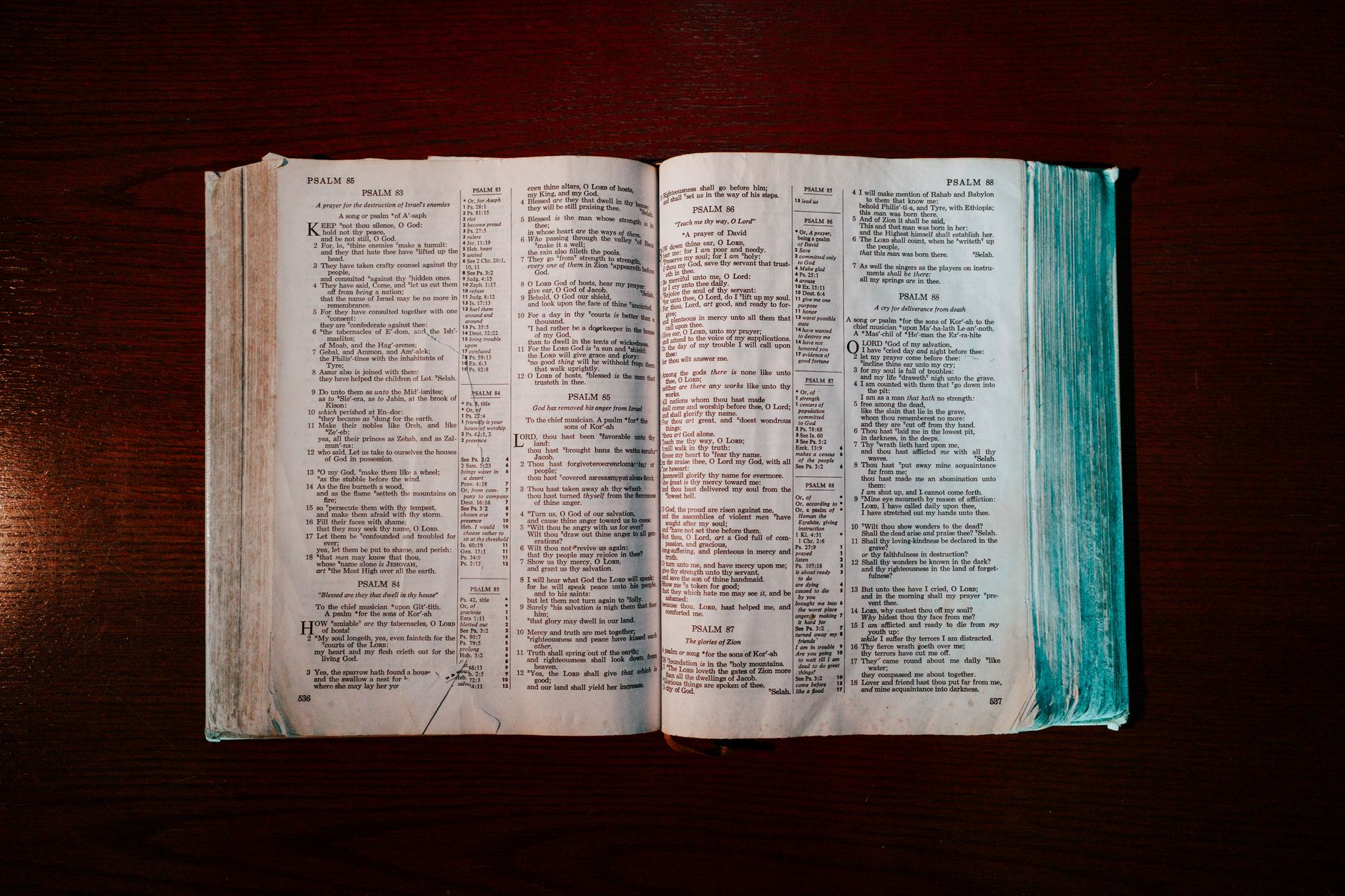
The Sabbath day holds a profound significance in the spiritual and religious lives of many adherents across various faiths. This article explores the timeline of the Sabbath day according to the Bible, focusing on its origins, its meaning, and how it is observed in different traditions. Understanding the Sabbath provides insight not only into religious practices but also into the ethical and spiritual teachings that shape communities.
In Jewish tradition, the Sabbath is a weekly day of rest that commemorates God’s day of rest after creation. It is rooted deeply in scripture and serves as a central element of Jewish identity and practice. In Christianity, the interpretation and observance of the Sabbath can vary significantly among denominations, offering a rich topic for exploration.
What Is the Sabbath Day According to the Bible?
The Sabbath is described in the biblical text as a day set apart for rest and worship. The root of the term “Sabbath” comes from the Hebrew word “Shabbat,” which means to cease or rest. This instruction is first provided in the Genesis creation narrative and later codified in the Ten Commandments.
In Genesis 2:2-3 (NIV), it is documented that after creating the world, God “rested on the seventh day from all his work that he had done. So God blessed the seventh day and made it holy.” This account establishes the foundation for the Sabbath as a day designated for rest and reverence towards the Creator.
Timeline of the Sabbath in the Bible
Creation and Early References
As detailed above, the first mention of the Sabbath occurs in the second chapter of Genesis. This early reference indicates the importance of rest as ordained by divine example. Throughout the Old Testament, further references reinforce the idea of Sabbath observance.
The Ten Commandments
Recorded in Exodus 20:8-11 (NIV), among the Ten Commandments, the Sabbath is explicitly commanded: “Remember the Sabbath day by keeping it holy.” This commandment underscores the sacred nature of the day and the necessity for the community to reflect on God’s acts of creation.
Historical Observance in Ancient Israel
As Israelite society developed, Sabbath observance became an integral part of Jewish life. It included various prohibitions and regulations aimed at ensuring that the day was observed as a time for spiritual renewal and family togetherness. By the time of the Babylonian Exile, Sabbath observance was firmly established and played a crucial role in defining Jewish identity.
The Prophets and the Sabbath
Throughout the prophetic literature, the Sabbath is mentioned numerous times, often in contexts that highlight the importance of justice, compassion, and true worship. For instance, Isaiah 58:13-14 (NIV) calls for a celebration of the Sabbath, indicating that it should not only be a day of rest but also a time for social justice: “If you keep your feet from breaking the Sabbath and from doing as you please on my holy day…” This demonstrates the multifaceted nature of Sabbath observance beyond mere cessation of work.
Jesus and the Sabbath
The New Testament introduces Jesus’ perspective on the Sabbath, which adds to its complexity. In Mark 2:27 (NIV), Jesus states, “The Sabbath was made for man, not man for the Sabbath.” This assertion emphasizes the purpose of the Sabbath as beneficial to humanity rather than merely as a legalistic requirement.
Post-Resurrection Era
Following Jesus’ resurrection, the early Christian church began to shift its focus from the traditional Sabbath (Saturday) to the Lord’s Day (Sunday). This change is partly attributed to the significance of Jesus’ resurrection occurring on the first day of the week. As the early church developed, Sunday emerged as a gathering day for worship and reflection, symbolizing new creation and hope.
How the Sabbath Is Observed Today
Judaism
In Judaism, the Sabbath is observed from Friday evening to Saturday evening. This period is marked by various rituals, including:
- Lighting of Candles: Traditionally two candles are lit before sunset on Friday to usher in the Sabbath.
- Kiddush: A blessing recited over wine that sanctifies the Sabbath and sets it apart.
- Meals: Special meals are prepared, often festive in nature, and served with family.
- Prayer and Study: Many adherents attend synagogue services and engage in prayer, study of the Torah, and other spiritual activities.
The observance includes prohibitions on work, which is interpreted in diverse ways across different communities. This can include refraining from manual labor, cooking, and the use of electronic devices, allowing for a time of spiritual reflection and connection with family.
Christianity
Christian denominations exhibit varying approaches to observing the Sabbath. For Orthodox Christians, Saturday remains a day of focus on the Sabbath, while Sunday is celebrated as the Lord’s Day, instituted primarily in honor of Christ’s resurrection. The practices include:
- Worship Services: Christians gather for communal worship, often involving singing, prayer, and preaching.
- Rest: Many Christians view Sunday as a day of rest, reflecting on scripture and enjoying family time.
- Acts of Charity: Some communities encourage service to others, embodying the spirit of the Sabbath as a day for doing good.
Distinct among denominations, some Adventist groups maintain Saturday as the true Sabbath, emphasizing its original biblical command and continuing traditions associated with it.
Debates About Sabbath Observance
The interpretation and observance of the Sabbath can lead to differing views within and among faith communities. Notable debates include:
- Legalism vs. Freedom: Some argue that strict observance leads to legalism contrary to Jesus’ teaching of freedom in faith.
- Changing Cultural Contexts: Others view the day of rest as needing adaptation to modern life, where the workweek influences Sabbath practice.
- Interfaith Understanding: How the Sabbath is observed in one tradition may inform the understanding and respect for other traditions’ practices.
The Spiritual Significance of the Sabbath
The Sabbath not only signifies rest but also resonates with deeper spiritual meanings. It offers opportunities for spiritual growth and reflection, inviting individuals to consider their relationship with the divine. Some themes include:
- Restoration: The Sabbath provides a chance to restore balance in one’s life, stepping back from daily pressures.
- Presence: It calls practitioners to be present in the moment, focusing on relationships with God, family, and community.
- Intentional Living: Observing the Sabbath encourages intentionality in how individuals live out their faith.
Practical Reflections for Sabbath Observance
For individuals looking to deepen their Sabbath practice, consider these reflective suggestions:
- **Plan Ahead:** Prepare meals and activities ahead of time to allow for a more restful and focused day.
- **Create a Sacred Space:** Designate an area in your home for prayer or meditation to help foster an atmosphere of peace and worship.
- **Engage with Scripture:** Use this time to read and reflect on passages that highlight the meaning of rest and community.
- **Limit Distractions:** Disconnect from technology for the duration of the Sabbath to enhance the focus on spiritual growth and family time.
- **Acts of Service:** Consider ways to volunteer or help others during this time, embodying the Sabbath’s spirit of love and kindness.
Conclusion
The Sabbath day carries rich historical and spiritual meanings within the biblical context, inviting adherents to a rhythm of rest, worship, and community. Its observance prompts individuals to reflect not only on their personal relationship with the divine but also on how they interact within their communities.
As you explore your own journey regarding Sabbath observance, take a moment to consider how practices of rest and reflection can weave vitality into your spiritual life. What might you implement in your own Sabbath practice to foster deeper connections with your faith and community?
For more insights and reflections on spirituality, consider exploring articles about fasting and hunger in the Bible at Bible Verses About Hunger or discover prayers specifically for fasting at Prayers for Fasting.