
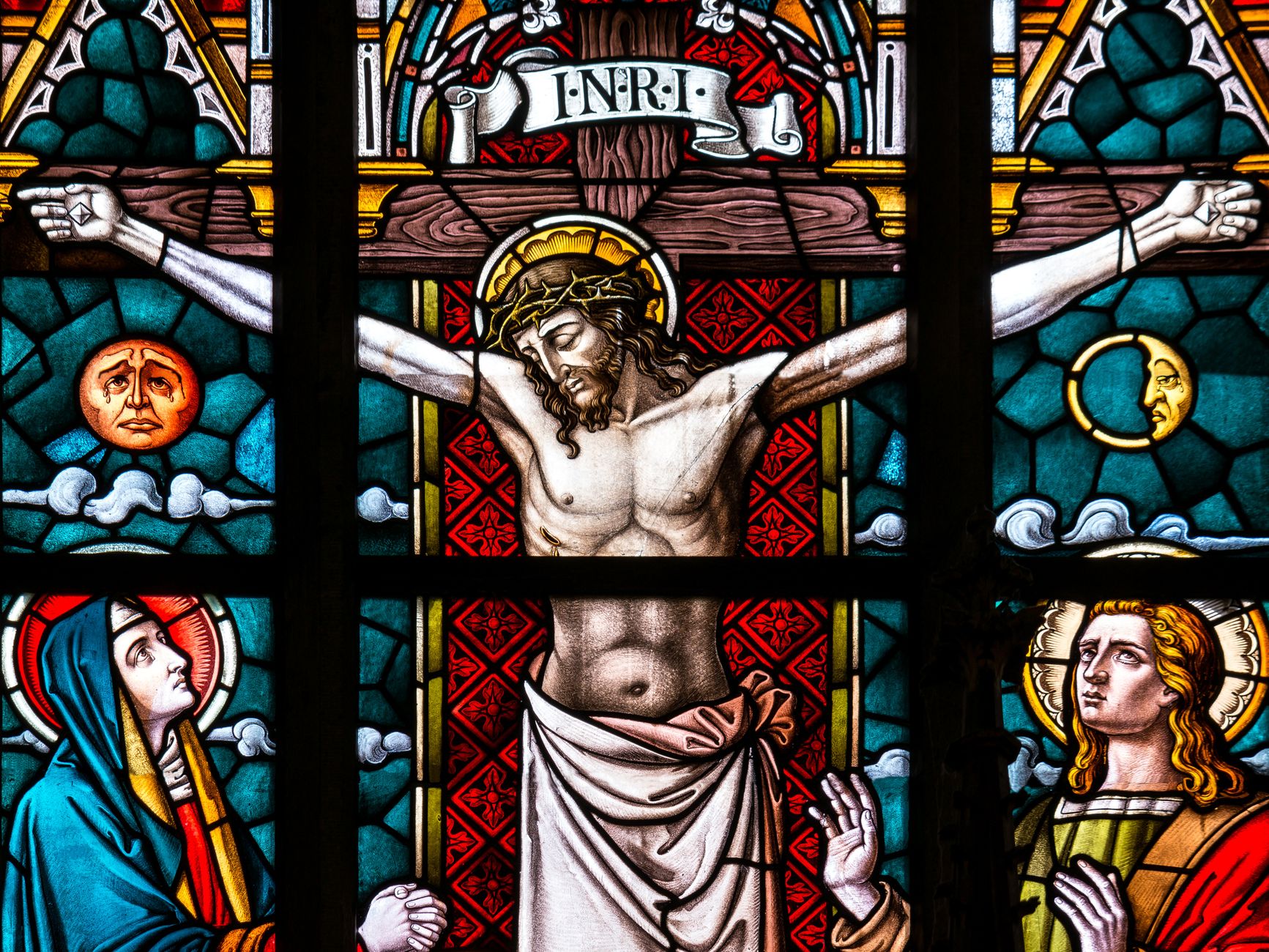
Understanding where Jesus died is a profound inquiry that touches both historical significance and spiritual beliefs. The crucifixion of Jesus is a pivotal event in Christian theology, marking the culmination of his earthly ministry and the foundation upon which the faith was built.
In this article, we will explore the location traditionally identified as the site of Jesus’ death, its biblical references, historical context, and the significance of this event in Christianity and beyond.
Where Did Jesus Die?
Jesus is believed to have died on a hill known as Golgotha, which translates to “the place of the skull.” This location is often referred to as Calvary in Christian tradition. Golgotha is situated outside the walls of Jerusalem, near the site of what is now the Church of the Holy Sepulchre, an important pilgrimage destination for Christians.
The Biblical Account of the Crucifixion
The crucifixion of Jesus is recorded in all four Gospels: Matthew, Mark, Luke, and John. Each Gospel offers a unique perspective on the events surrounding Jesus’ trial, crucifixion, and death. Below is a summary of the relevant Gospel passages:
- Matthew 27:32-56: This passage details Jesus’ journey to Golgotha, his crucifixion alongside two criminals, and the subsequent events that involved miraculous occurrences, such as darkness covering the land and the temple curtain tearing in two.
- Mark 15:21-41: Mark recounts the crucifixion, including Simon of Cyrene assisting Jesus in carrying the cross. The narrative includes Jesus’ final words and the centurion’s proclamation of Jesus’ divine status upon witnessing the event.
- Luke 23:26-49: Luke emphasizes Jesus’ compassion, even as he faces crucifixion, highlighting his conversations with the criminals beside him and his commending of his spirit to God before dying.
- John 19:16-30: John provides a deeply theological account, noting the fulfillment of scripture and Jesus’ final words, “It is finished,” signifying the completion of his mission on Earth.
The Historical Context of Golgotha
Golgotha’s identification as the crucifixion site is supported by various historical and archaeological insights. During the time of Jesus, crucifixion was a common method of execution used by the Romans, primarily for criminals and those deemed a threat to the state.
Jerusalem was under Roman occupation at the time, and the Roman authorities viewed Jesus’ growing influence and claims about his messianic identity as potentially destabilizing. As such, the crucifixion was not only a means of executing a convicted individual but also a way to deter others from following his example.
Archaeological Evidence
Archaeological findings have contributed greatly to our understanding of Golgotha and the surrounding areas. The Church of the Holy Sepulchre, built in the 4th century, is believed to enclose both Golgotha and the tomb where Jesus was laid to rest. Excavations in this area have revealed remains of ancient structures and burial practices consistent with the time of Jesus, supporting the site’s historical claims.
Moreover, the traditional understanding of Golgotha as being outside the city walls aligns with the accounts in the Gospels and further reinforces this identification through archaeological context.
Spiritual Significance of the Crucifixion
The crucifixion of Jesus holds profound theological implications for Christianity. It symbolizes not only Jesus’ sacrifice for humanity but also the themes of redemption, forgiveness, and love. Christians believe that Jesus’ death on the cross was an atoning sacrifice for the sins of the world, offering salvation to all who believe.
Additionally, the crucifixion represents the ultimate act of love and obedience to God’s will. In the wake of this event, the resurrection of Jesus underscores victory over sin and death, a central tenet of Christian beliefs that has shaped the faith’s understanding of eternal life.
Traditions and Rituals Associated with Golgotha
The site of Golgotha and the events of the crucifixion are commemorated in various Christian traditions and rituals.
- Good Friday: This day commemorates the crucifixion of Jesus and is observed by Christians through somber services that reflect on the passion narrative. Many participate in the Stations of the Cross, reenacting the path Jesus took to Golgotha.
- Church of the Holy Sepulchre: Pilgrimages to this holy site are significant for many Christians. The church is a focal point for worship, devotion, and reflection on the passion, crucifixion, and resurrection of Jesus.
- Reflection and Meditation: Many Christians engage in personal reflection and meditation concerning the meanings of the crucifixion in their lives, focusing on themes of sacrifice, love, and forgiveness.
Variations Across Christian Denominations
Different Christian denominations express beliefs about the crucifixion and its significance in various ways. While the core belief in Jesus’ death and resurrection is shared, interpretations and emphases may differ:
- Roman Catholicism: Focuses on the sacramental nature of the crucifixion, linking it to the Eucharist and the belief in Christ’s presence in the sacrament.
- Orthodoxy: Emphasizes the mystery of Christ’s death and resurrection as a transformative event for humanity, often reflecting this in liturgical practices and the veneration of Icons.
- Protestantism: Generally emphasizes faith in Christ’s atoning sacrifice as personal salvation, with various teachings highlighting grace, justification, and the individual’s relationship with God.
Reflections on the Significance of Golgotha
Reflecting on the crucifixion invites believers to consider their relationship with suffering, sacrifice, and redemption. The act of Jesus on the cross can encourage individuals to ponder themes of:
- Personal sacrifice and what it means to love others unconditionally.
- Forgiveness and the challenges of extending grace to others.
- The significance of suffering and how it can ultimately lead to personal growth and spiritual transformation.
The Impact of Golgotha Beyond Christianity
The significance of Jesus’ crucifixion at Golgotha extends beyond Christian belief, impacting other faiths and philosophical traditions. The events surrounding Jesus’ life and death have ignited discussions about morality, justice, and the nature of sacrifice in multiple contexts.
For instance, in Islam, Jesus (known as Isa) is highly respected as a prophet, and while the narrative of his crucifixion differs, the event is significant for understanding the transfer of faith and the prophetic lineage leading to Muhammad.
Moreover, the themes of sacrifice and redemption resonate in various philosophical discourses, influencing ethical frameworks and social justice movements driven by the call to live for others and serve the marginalized.
Conclusion: A Path to Spiritual Reflection
In conclusion, Golgotha remains a focal point in understanding the death of Jesus and its ramifications for faith and spirituality. As individuals reflect on this significant event, they may find it helpful to engage in personal practices such as:
- Reading the Gospel accounts of the crucifixion and contemplating their meanings.
- Participating in communal worship or observances that mark the importance of the crucifixion in your tradition.
- Engaging in prayer or meditation focusing on the themes of sacrifice, forgiveness, and love.
Exploring the significance of Jesus’ death at Golgotha invites a deeper understanding of faith and encourages an ongoing journey of spiritual growth.
For those interested in further themes within religion and spirituality, consider delving into related topics such as the nature of sacrifice in various faiths, the importance of pilgrimage in religious traditions, or exploring the theme of redemption across different belief systems.