
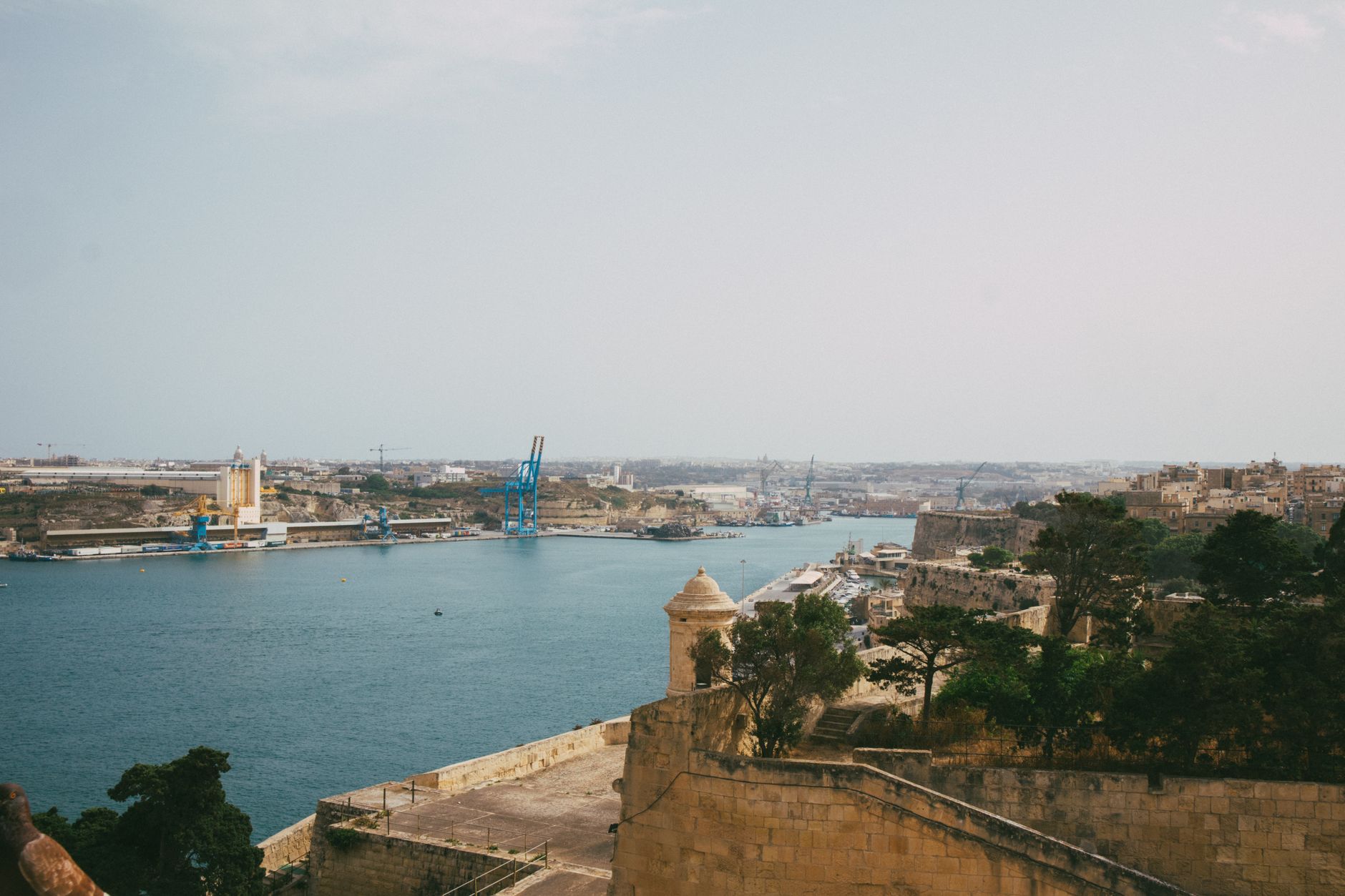
Malta is a small yet captivating archipelago situated in the central Mediterranean Sea. Renowned for its rich history, stunning coastlines, and vibrant culture, it attracts travelers from all over the world. But just where is Malta located, and how can you get there? This guide will provide you with all the essential travel details, including a map of Malta, transportation options, and tips for exploring this beautiful destination.
Whether you’re planning a short getaway or an extended holiday, knowing the geography and transport logistics of Malta will enhance your travel experience. From historic Valletta to the picturesque shores of Gozo, each corner of Malta has something unique to offer. Read on to find out everything you need to know to make your Malta trip a success.
Where Is Malta?
Malta is located about 93 kilometers (58 miles) south of Sicily, Italy, and approximately 288 kilometers (179 miles) north of the coast of North Africa. This strategic position in the Mediterranean has made it a significant naval base throughout history, contributing to its eclectic mix of cultures.
The archipelago consists of three main islands: Malta, Gozo, and Comino. Malta is the largest and the cultural heart of the country, while Gozo offers a more rural, laid-back experience. Comino, although small, is famous for the stunning Blue Lagoon, making it a popular day-trip destination.
Getting to Malta
Travelers can access Malta primarily by air, although there are some maritime options. The main airport serving the country is Malta International Airport (MLA), located near the capital city, Valletta. Below we’ll discuss the main routes, flights, and ferry options for reaching Malta.
Flights to Malta
Malta International Airport is well-connected to numerous European cities. Major airlines, including Air Malta, Ryanair, and EasyJet, operate regular flights to and from destinations such as London, Rome, Frankfurt, and Paris. Here are some key points to keep in mind regarding flights:
- Direct Flights: Many major European cities offer direct flights to Malta, making it easier for travelers from these locations.
- Seasonality: The summer season (June to September) sees an increase in flight availability, while winter months may have reduced options.
- Advance Booking: Booking your flight well in advance can often yield better prices, especially during the busy summer months.
Ferry Services to Malta
If you are traveling from Italy, ferries are also an option, particularly from Sicily. The primary route operates from Pozzallo to Malta and can be a scenic way to approach the islands. Here’s what you need to know:
- Duration: The ferry from Pozzallo to Valletta typically takes around 90 minutes.
- Booking: It is advisable to book ferry tickets in advance, especially during peak tourist seasons.
- Operators: Companies such as Virtu Ferries offer regular service between Malta and Sicily.
Visa Requirements
Travelers from the European Union, United States, Canada, and a number of other countries do not need a visa to visit Malta for stays under 90 days. However, it is crucial to check specific requirements based on your nationality before making travel arrangements. Always consult the relevant local or government resources regarding visa regulations.
Map of Malta
Having a clear understanding of Malta’s geography can enhance your trip planning. Malta’s map reveals its diverse regions, each offering various attractions and experiences. The key cities and landmarks to familiarize yourself with include:
- Valletta: The capital city and a UNESCO World Heritage site, known for its stunning architecture and historical significance.
- Mdina: A medieval city known as the “Silent City,” famous for its narrow streets and panoramic views.
- Sliema: A modern coastal town known for shopping, dining, and its lively atmosphere.
- Gozo: An island known for its rural charm, scenic landscapes, and beautiful beaches.
- Comino: Home to the iconic Blue Lagoon, perfect for swimming and snorkeling.
Getting Around Malta
Once you arrive in Malta, navigating the islands is relatively easy, thanks to various transport options. Here’s an overview of the most popular methods to get around:
Public Transport
Malta has a reliable and affordable public bus system that connects various towns and tourist attractions. Key points to consider:
- Bus Tickets: You can purchase tickets on the bus or use a Tallinja Card for easier travel.
- Frequency: Buses run frequently, especially during peak tourist seasons, making public transport an efficient option.
- Destinations: The bus network includes routes to popular locations such as the Blue Lagoon, Mdina, and beaches.
Car Rentals
Renting a car provides more flexibility to explore the islands. Consider the following:
- Driving Licenses: A valid driving license is necessary to rent a car.
- Traffic Rules: Malta drives on the left side of the road, which may be a consideration for first-time visitors.
- Parking: Review parking regulations, as parking can be limited in busy areas.
Taxi Services and Ride-Sharing
Taxis are widely available, and booking a ride through apps like Bolt or eCabs can also be convenient. Tips include:
- Pre-booking: Arranging for a taxi in advance can save you time and hassle.
- Airport Transfers: Many taxi services offer airport transfer options for seamless travel from the airport to your accommodation.
Top Attractions in Malta
Malta is brimming with attractions that showcase its history, culture, and natural beauty. Here’s a detailed look at some must-visit spots:
Valletta
Valletta is the heart of Malta’s culture and history. Key sights include the following:
- St. John’s Co-Cathedral: A baroque masterpiece featuring the stunning artwork of Caravaggio.
- The Grand Master’s Palace: Houses the Office of the President of Malta and the Parliament.
- Upper Barracca Gardens: A serene park with breathtaking views of the Grand Harbour.
Mdina
Known as the “Silent City,” Mdina captures visitors with its medieval charm. Key highlights include:
- St. Paul’s Cathedral: A beautiful church with notable artwork and architecture.
- Mdina Dungeons: For those interested in the grim history of the city.
- Walking Tours: Explore narrow streets filled with history and enchanting views.
Gozo
Gozo offers an escape with its picturesque landscapes and quieter atmosphere. Key attractions include:
- The Citadel: A historic fortress offering panoramic views of the island.
- Azure Window: Although collapsed, the site remains iconic and provides stunning coastal scenery.
- Ramla Bay: A beautiful beach known for its red sand and clear waters.
Comino and the Blue Lagoon
Comino is famous for its crystal-clear waters. It is a perfect spot for relaxing or engaging in water activities:
- Swimming: Enjoy the beautiful waters of the Blue Lagoon, ideal for swimming and snorkeling.
- Boat Trips: Many companies offer day trips to Comino, which often include stops at various caves.
Where to Stay in Malta
Accommodations in Malta cater to various budgets and preferences. Here are some recommended areas to consider when deciding where to stay:
Valletta
Staying in the capital means you’ll be close to many historical sites. Consider:
- Pros: Walkable, vibrant atmosphere and cultural access.
- Cons: Can be pricier compared to other areas.
Sliema
A shopping and leisure destination, Sliema offers a blend of modern comforts:
- Pros: Close to the promenade and ferry connections to Valletta.
- Cons: Less historical charm compared to Valletta and Mdina.
St. Julian’s
This area is known for its nightlife and social scene, particularly the Paceville district:
- Pros: Lively atmosphere, restaurants, bars, and great nightlife options.
- Cons: Can be noisy, especially late at night.
Gozo
For a more tranquil experience, consider staying on Gozo:
- Pros: Rural charm, stunning landscapes, and slower pace.
- Cons: Further from nightlife and some major attractions.
Seasonal Considerations
Malta experiences a Mediterranean climate, resulting in hot, dry summers and mild winters. Here are some seasonal patterns to consider:
- Summer (June to August): High tourism season featuring hot weather and numerous festivals but can be crowded.
- Fall (September to November): Pleasant weather, fewer crowds, and often lower hotel rates.
- Winter (December to February): Mild temperatures but a possibility of rainy days. This season is excellent for experiencing local culture without the tourist rush.
- Spring (March to May): A wonderful time to visit as flowers bloom and temperatures begin to rise; fewer tourists than in summer.
What to Pack for Malta
Depending on the season you visit, different packing essentials will be necessary. Here’s a general packing list:
- Clothing: Light clothing during summer; layers for spring and fall; a light jacket for cooler evenings.
- Footwear: Comfortable walking shoes, particularly if exploring cities.
- Swimwear: Perfect for beach visits and water activities, especially in summer.
- Sun Protection: Sunscreen, sunglasses, and a hat are essential during warm months.
- Adapters: Malta uses the British type G power plugs, so consider bringing a converter.
Budgeting for Your Trip
Travel costs in Malta can vary widely depending on your style of travel. Here’s what to keep in mind:
Accommodation Costs
Cost of lodging can range from budget hostels to luxury hotels. While some might find shared accommodations starting around €20 per night, upscale hotels can reach €200 or more.
Food and Dining
Eating out can also vary. A meal at a casual restaurant may cost around €15-€25, while dining at a mid-range restaurant may be approximately €40 or more for a three-course meal.
Activities and Sightseeing
Many of Malta’s attractions are free or low-cost. However, consider entry fees and guided tours, as they can enhance your experience and be priced between €10 to €50, depending on the attraction.
Cultural Considerations
Respecting local customs and traditions is key when visiting Malta. Here are some points to consider:
- Language: Maltese and English are the official languages. Knowing a few basic phrases in Maltese can be appreciated.
- Dining Etiquette: Tipping is customary, with rounding up the bill considered polite.
- Religious and Cultural Events: Malta has a deep-rooted Catholic culture, so be respectful when visiting churches and during local festivals.
Local Food Experience
Exploring Maltese cuisine is a highlight for many travelers. Consider trying:
- Pastizzi: Flaky pastry filled with ricotta or mushy peas, popular as a snack.
- Rabbit Stew (Fenkata): A traditional dish often served during special occasions.
- Seafood: Fresh local fish dishes are prevalent, with various styles found across restaurants.
As you can see, Malta is a destination full of culture, beauty, and history, making it an ideal choice for diverse travelers. Planning your visit can achieve memorable experiences, from the sights to the tastes and everything in between.
With this guide in hand, you’re now well-equipped to explore where Malta is located, how to reach it, and what to do when you arrive. To dive deeper, consider checking out practical guides on where to stay in Malta for a tailored travel experience.
Explore related destination guides, itineraries, or travel-planning tips for Malta and beyond, such as Where Is Malta? and Where to Stay in Malta.