
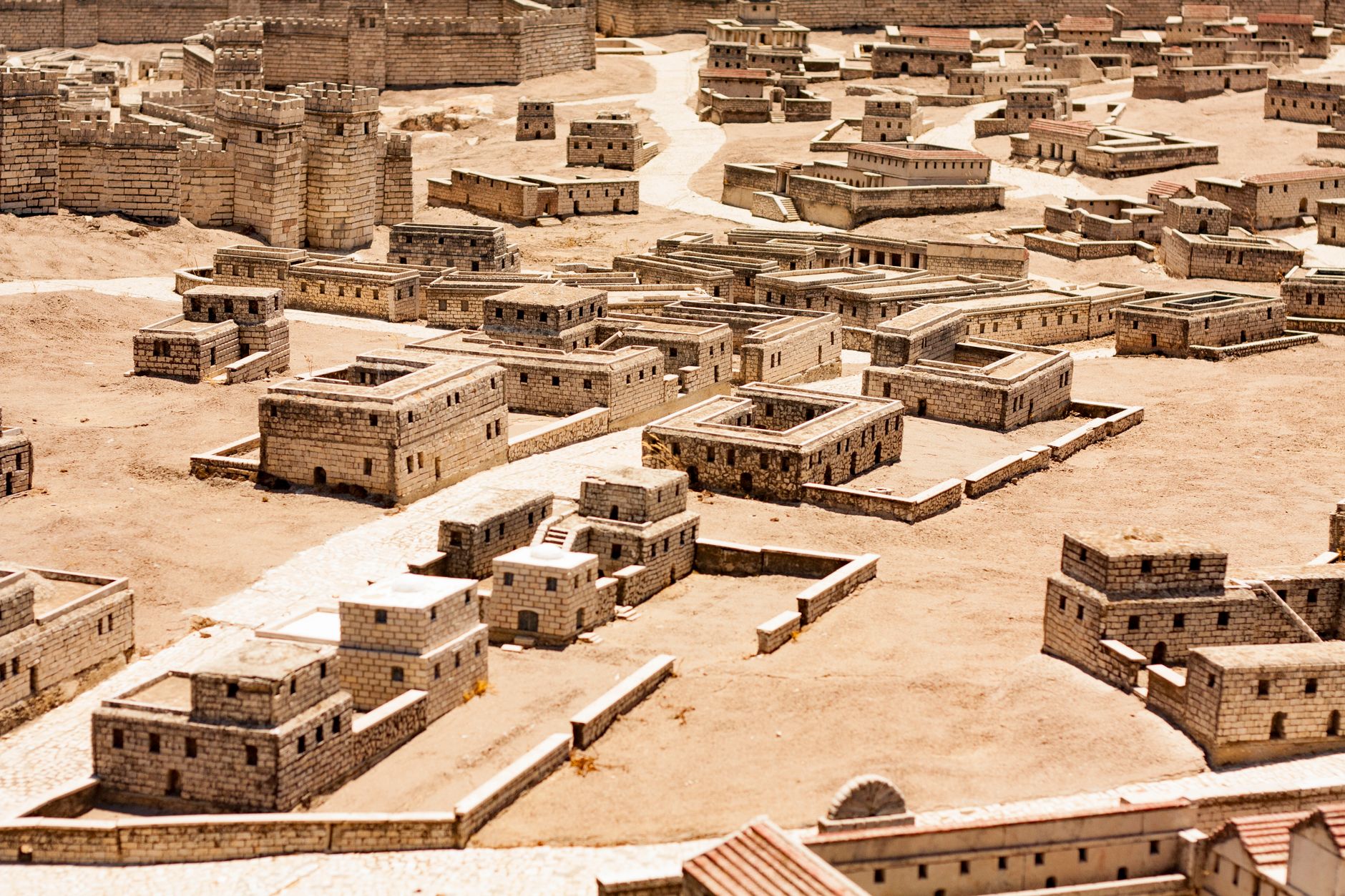
The Promised Land is a significant concept in the Bible, symbolizing a journey toward spiritual fulfillment and divine promise. Many believers seek to understand its exact location, as it holds historical and theological importance in various religious traditions. Exploring its biblical references and interpretations can enrich one’s faith and provide insight into the wider narrative of God’s covenant with humanity.
This article will delve into the geographical and theological aspects of the Promised Land, highlighting its significance in the biblical narrative, the interpretations surrounding its location, and what it symbolizes in the lives of believers today.
Where Is the Promised Land in the Bible?
The Promised Land, as described in the Bible, is often understood to be the land promised by God to the descendants of Abraham, Isaac, and Jacob. This promise is foundational not only in Jewish theology but also in Christian and Islamic traditions. Specifically, the land is frequently associated with the territory of Canaan, an area that includes present-day Israel and Palestine.
The Biblical Foundations of the Promised Land
The concept of the Promised Land is first introduced in the book of Genesis. In Genesis 12:1-3 (NIV), God calls Abram (later named Abraham) and tells him, “Go from your country, your people, and your father’s household to the land I will show you.” This land is later identified as Canaan, the land flowing with milk and honey promised to the Israelites.
- Genesis 15:18-21: Here God establishes a covenant with Abraham, outlining the boundaries of the land that will belong to his descendants.
- Exodus 3:8: God promises to deliver the Israelites from slavery in Egypt and bring them to a “good and spacious land, a land flowing with milk and honey.”
- Deuteronomy 8:7-10: This passage describes the land as abundant, reaffirming its fertility and divine promise.
Hello Exodus: The Journey to the Promised Land
The journey of the Israelites from Egypt to the Promised Land is one of the central narratives in the book of Exodus. After being freed from slavery, they wandered in the desert for 40 years, a period often seen as both a test of faith and preparation for entering the land.
Throughout their journey, the Israelites faced numerous challenges, including hunger and doubt. The manna from heaven, water from the rock, and guidance by the pillar of cloud and fire are crucial elements that underscore God’s provision during this transformative journey.
The Geographical Interpretation of the Promised Land
The exact geographical boundaries of the Promised Land have been the subject of considerable discussion among historians and theologians. The land traditionally identified as Canaan lies between the Mediterranean Sea and the Jordan River. This territory includes various regions that have been historically significant.
- Judea: Located in the southern part of the country, it is significant in both the Old and New Testaments.
- Samaria: Central region in ancient Israel with historical importance, noted for its mixed population of Israelites and foreigners.
- Galilee: The northern region, known for Jesus’ ministry and many of His teachings.
Modern Interpretations and Controversies
Today, the Promised Land is often associated with modern geopolitical realities, particularly regarding the State of Israel and the Palestinian territories. This connection has prompted various interpretations of biblical texts and their implications for contemporary conflicts. Different faith traditions and cultures view the significance of the Promised Land through their respective lenses, making it a complex topic.
Theological Significance of the Promised Land
Theologically, the Promised Land represents more than a geographical location. It embodies the fulfillment of God’s promises and the manifestation of His covenant with people. This notion of “land” extends into a spiritual dimension, suggesting a place of peace, blessing, and communion with God.
Symbolism of the Promised Land in Religious Traditions
Different faiths interpret the Promised Land symbolically, offering lessons relevant to believers.
- In Judaism: The Promised Land signifies not only a physical territory but also a sense of belonging and identity for the Jewish people, reflecting their covenant relationship with God.
- In Christianity: The Promised Land is often seen as a foreshadowing of heavenly promises and spiritual rest. Christians may interpret their journey of faith as akin to that of the Israelites, seeking a spiritual homeland.
- In Islam: The land is acknowledged within Islamic tradition, highlighting the historical significance of various prophets and events associated with Canaan.
Personal Reflection: What Does the Promised Land Mean Today?
The idea of a Promised Land can be understood metaphorically in contemporary spiritual practice. Many view it as a destination of peace, fulfillment, or purpose. Individuals may query what their ‘Promised Land’ looks like—be it a state of mind, a community, or a relationship with the divine.
Reflecting on one’s journey can foster a deeper connection with faith and encourage personal growth.
Conclusion: Embracing the Journey Toward Your Promised Land
In summary, the Promised Land, while rooted in historical and geographical reality, transcends mere physicality to touch upon spiritual themes of promise, fulfillment, and faith. By understanding its scriptural and symbolic significance, believers can learn to navigate their spiritual quests with renewed clarity and purpose.
As you contemplate your journey to your own ‘Promised Land,’ consider the following reflection question: What does the concept of a Promised Land mean to you in your spiritual journey? How can you embrace that idea in your daily life?
To explore further dimensions of spirituality, consider reading about Bible Verses About Food and Prayers for Food for insights into the relationship between sustenance and spiritual nourishment.