
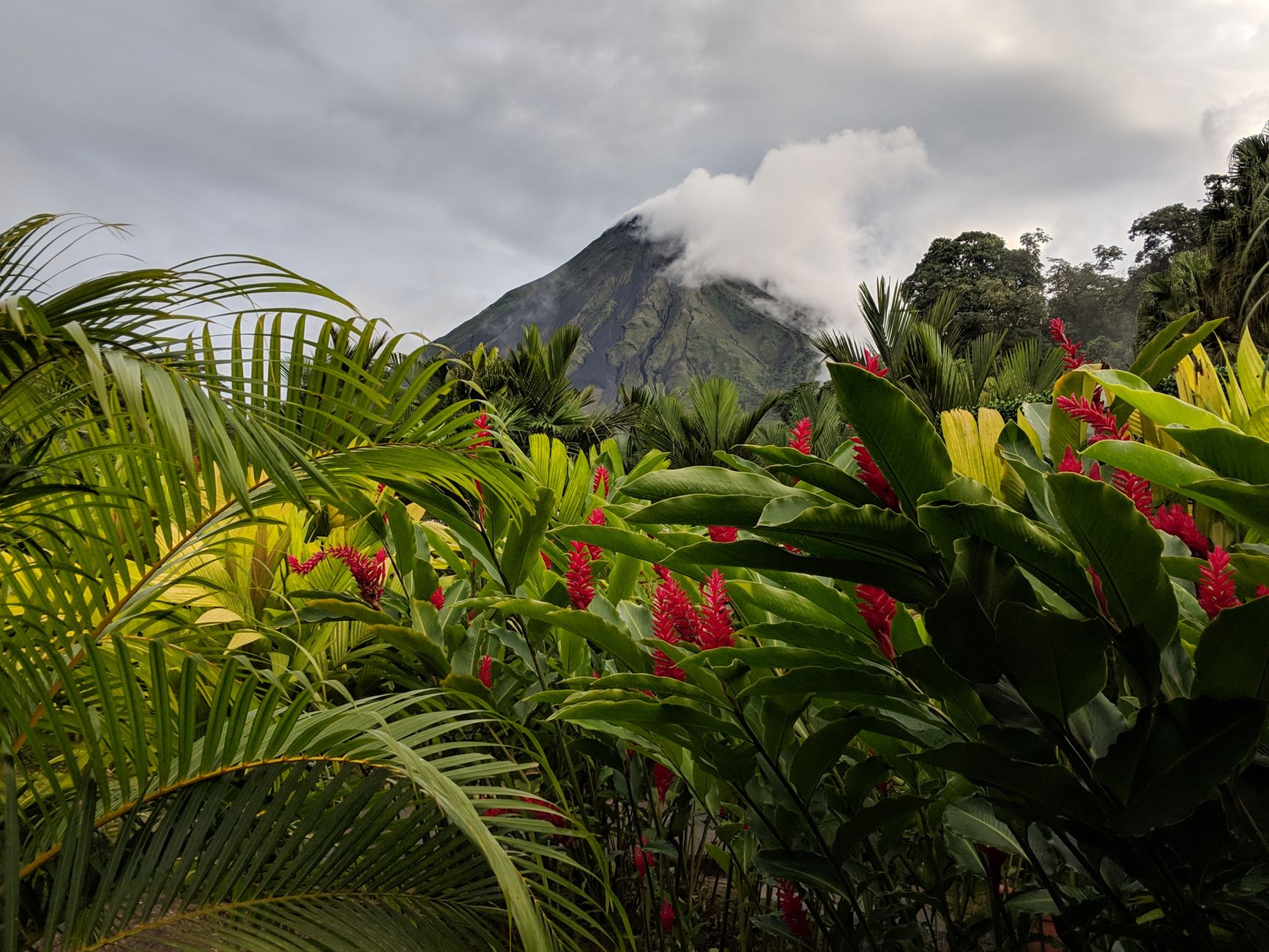
Costa Rica is renowned for its breathtaking landscapes, diverse ecosystems, and rich cultural heritage. With its stunning beaches, lush rainforests, and vibrant wildlife, the country captures the hearts of many travelers. This guide delves into the best areas to visit and activities to try, whether you’re seeking adventure, relaxation, or cultural experiences.
From the sun-soaked shores of the Pacific to the misty cloud forests of Monteverde, Costa Rica offers an abundance of options for every type of traveler. This article will help you identify the must-see destinations, plan your itinerary effectively, and make the most of your time in this incredible country.
Where to Go in Costa Rica (Top Areas & Activities)
Costa Rica boasts several distinct regions, each with its unique flavor and attractions. Understanding the main areas will guide your travel plans and help you prioritize experiences based on your interests.
Arenal Volcano Region
The Arenal Volcano region is a popular destination known for its breathtaking landscapes and outdoor adventure opportunities. This area is perfect for thrill-seekers and nature lovers alike, making it suitable for solo travelers, couples, and families.
Activities in Arenal
- Hiking: Explore Arenal Volcano National Park with its numerous trails ranging from easy walks to more challenging treks. The trails offer incredible views of the volcano and the surrounding flora and fauna.
- Hot Springs: After a day of hiking, relax in one of the area’s natural hot springs, such as Tabacon Hot Springs, known for its thermal pools surrounded by lush gardens.
- Canopy Tours: Experience a zip-line adventure and soar through the treetops while taking in panoramic views of the rainforest below.
- Wildlife Watching: Be on the lookout for sloths, monkeys, and a variety of bird species while hiking or on guided tours in the area.
Practical Considerations
The Arenal area is approximately a three-hour drive from San José. It is advisable to rent a car for convenience, but shuttle services and public buses are also available. Staying in La Fortuna, the main town nearby, is ideal for accessing attractions and amenities.
Monteverde Cloud Forest
Monteverde is famed for its unique cloud forests and biodiversity. This region attracts those interested in ecology and sustainable tourism. It is ideal for eco-conscious travelers, amateur naturalists, and anyone fond of cooler mountain climates.
Activities in Monteverde
- Cloud Forest Hikes: Guided hikes in Monteverde Cloud Forest Reserve are essential for experiencing the rich biodiversity, including unique flora and fauna.
- Hanging Bridges: Walk among the tree canopy on suspended bridges that offer stunning views of the forest and an opportunity to observe wildlife at different elevations.
- Birdwatching: Monteverde is a birdwatcher’s paradise. Keep an eye out for the resplendent quetzal and over 400 other bird species.
- Night Tours: Experience the cloud forest’s nocturnal life on guided night tours, where you’ll encounter species like frogs, bats, and more.
Practical Considerations
Monteverde is approximately a four-hour drive from Arenal or San José. The area has several eco-lodges and boutique hotels catering to different budgets. Whether you prefer dramatic views or secluded spots, you’ll find numerous accommodation options to fit your needs.
Guanacaste and the Nicoya Peninsula
The Guanacaste region and the Nicoya Peninsula are famous for their stunning beaches and vibrant surf culture. This area is perfect for beach lovers, surfers, and those looking to relax in the sun.
Popular Beaches
- Santa Teresa: Known for its laid-back vibe and excellent surfing conditions, this beach town is also a hub for yoga retreats and wellness travelers.
- Playas del Coco: A lively beach town where travelers can enjoy vibrant nightlife, dining, and various water sports.
- Nosara: A tranquil destination popular for surfing, yoga, and eco-tourism, offering visitors a chance to unwind in nature.
Activities in Guanacaste
- Surfing Lessons: Take surfing lessons from local instructors at some of Costa Rica’s top surf spots.
- Wildlife Tours: Explore the nearby national parks like Rincon de la Vieja and Palo Verde for hiking and wildlife viewing.
- Sunset Cruises: Join a sunset sailing tour for an unforgettable evening on the Pacific with views of the coastline.
Practical Considerations
Guanacaste is served by Liberia International Airport, making it easily accessible for travelers. Renting a car is recommended for those wanting to explore multiple beaches and national parks. Various accommodation options range from luxury resorts to budget hostels.
Central Valley
The Central Valley is home to the capital city, San José, and is often overlooked by tourists seeking beach destinations. However, this area offers rich cultural experiences, historical sites, and urban attractions, making it an essential stop for travelers wanting to understand Costa Rica’s vibrant culture.
Attractions in San José
- National Museum: Explore the history and culture of Costa Rica with exhibits that showcase pre-Columbian artifacts and colonial art.
- Teatro Nacional: Visit this stunning theater renowned for its architecture and ongoing performances. Guided tours are available to learn about its history.
- Barrio Amón: Stroll through this historic neighborhood filled with charming architecture, cafes, and art galleries.
Day Trips from San José
- Poás Volcano: Take a day trip to this active volcano and witness its impressive crater and vibrant turquoise lakes.
- Doka Coffee Estate: Go on a coffee tour to learn about the coffee production process and enjoy tastings of some of the best local brews.
Practical Considerations
San José serves as a gateway to other parts of Costa Rica and is accessible from most international flights. The city has a range of accommodations, including budget hostels, mid-range hotels, and luxurious options. Public transport is available, but renting a car may provide more flexibility for exploring surrounding areas.
Osa Peninsula and Corcovado National Park
The Osa Peninsula is one of Costa Rica’s most biodiverse regions and boasts the renowned Corcovado National Park. This area is perfect for adventurous travelers and wildlife enthusiasts looking for off-the-beaten-path experiences.
Activities in Corcovado
- Guided Wildlife Tours: Join a guided tour to explore Corcovado’s rich biodiversity, where you’re likely to see howler monkeys, tapirs, and scarlet macaws.
- Hiking: Trek through dense rainforest trails; the park offers various trails that cater to different levels of experience.
- Snorkeling/Diving: Visit Caño Island for exceptional snorkeling or diving opportunities among coral reefs and marine wildlife.
Practical Considerations
Accessing the Osa Peninsula typically involves a flight from San José to Puerto Jiménez or a long drive followed by a ferry. Accommodation options range from eco-lodges to more luxurious options. It’s advisable to book tours in advance, given the remote location and limited availability.
Seasonal Patterns and Weather Considerations
Understanding the seasonal patterns in Costa Rica helps in planning your trip effectively. The country has distinct wet and dry seasons. The dry season typically runs from mid-December to April and is favored by tourists for sunny weather and more accessible travel conditions.
The wet season, running from May to November, sees heavier rainfall, especially in the Caribbean and Central Valley, but also offers lush landscapes and fewer crowds. If you visit during this time, be prepared for possible afternoons of rain, especially in rainforest areas.
Getting Around Costa Rica
Traveling around Costa Rica can vary depending on the regions you wish to visit. The most common transportation options include:
- Renting a Car: This offers the flexibility to explore various regions at your own pace. Road conditions can range from paved highways to dusty gravel roads.
- Shuttle Services: Many companies offer shared or private shuttles between popular destinations, making travel more convenient without the hassle of navigating.
- Public Buses: A cost-effective way to travel long distances, though schedules can be less predictable and slower than other forms of transport.
Considerations for Road Travel
When renting a car, ensure that you are familiar with local traffic laws and driving conditions. Some regions may require 4×4 vehicles, especially during the rainy season. Check with reliable car rental services for policies and insurance options before booking.
Accommodation Options
Costa Rica provides a wide range of accommodation options based on your budget and preferences. Here’s a brief overview of different options you might consider:
- Budget Hostels: Perfect for backpackers or solo travelers looking to meet others. Options are available in most major towns.
- Mid-Range Hotels: Comfortable hotels that offer a range of amenities, usually located near major attractions.
- Eco-Lodges: For those interested in sustainable travel, eco-lodges offer nature-based experiences and often support local communities.
- Luxury Resorts: The coastlines, especially in Guanacaste, offer high-end all-inclusive resorts with extensive amenities and services.
Budget Considerations
Costa Rica is generally more expensive than many of its Central American neighbors, but it remains affordable compared to Western destinations. Typical cost drivers include:
- Accommodation: Can range from $10 for dormitory-style hostels to over $400 per night for luxury resorts.
- Food: Meals at local sodas (small eateries) can cost around $5-$10, while dining at restaurants can range much higher.
- Activities: Guided tours can vary widely in cost; budget for approximately $30-$100 depending on duration and experience.
Using public transport and staying in budget accommodations can help manage travel costs. Always explore local alternatives to reduce spending, particularly when dining out.
What to Pack for Costa Rica
What you bring will depend on the regions you plan to visit and the activities you intend to pursue. Here’s a packing list to consider:
- Clothing: Lightweight, breathable clothing for warmth; swimwear for beaches; and a good rain jacket for tropical areas.
- Footwear: Sturdy hiking shoes for trails, sandals for the beach, and comfortable shoes for city exploration.
- Sun Protection: Sunscreen, sunglasses, and a wide-brimmed hat to protect against the sun.
- Insect Repellent: Essential when hiking in jungle areas to avoid insect bites.
- Reusable Water Bottle: Stay hydrated and reduce plastic use by carrying a refillable bottle.
Responsible Tourism in Costa Rica
As one of the leaders in eco-tourism, Costa Rica encourages responsible travel practices. Visitors should stay in eco-friendly accommodations, respect local wildlife, and conserve resources whenever possible. Learning about local cultures and customs can enhance your experience while ensuring a positive impact on the communities you visit.
With its stunning natural beauty and diverse opportunities, Costa Rica presents an unforgettable travel experience. Each of the regions highlighted in this guide has something unique to offer, so choose based on your interests to maximize your adventure. Prioritize activities that resonate with you and engage with the local environment responsibly.
Ready to plan your trip? Explore more destination guides, itineraries, and travel-planning tips to make the most of your Costa Rican adventure, like our guide on where to go and budget travel considerations.