
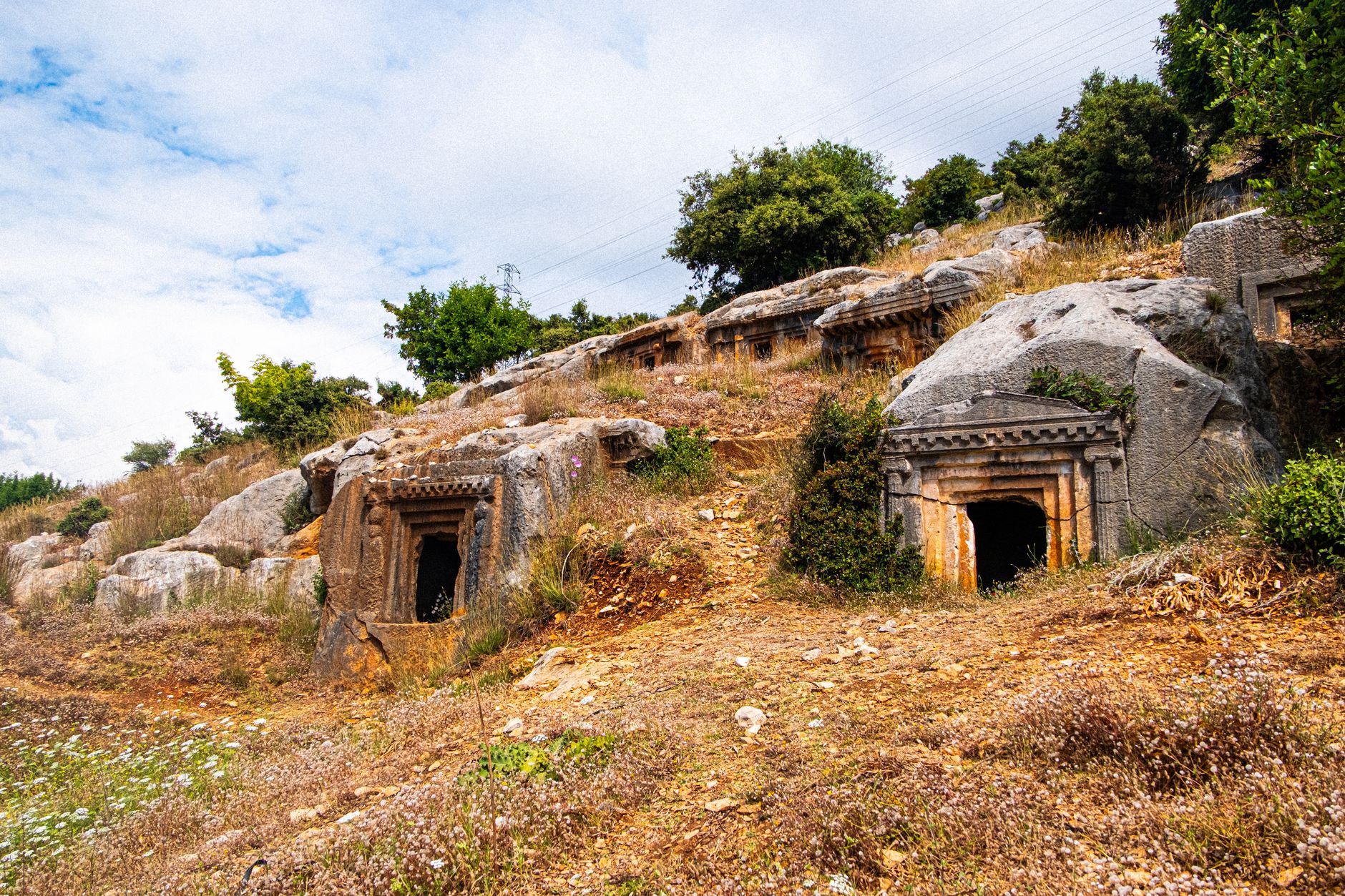
Rachel, one of the matriarchs of the Israelites and beloved wife of Jacob, holds a special place in biblical history. Her story is not only found in the Book of Genesis but also hints at profound themes of love, sacrifice, and devotion. A key aspect of these narratives is her burial site, which has significant spiritual implications and historical relevance.
The question of where Rachel was buried in the Bible leads us to explore both the geographical locations mentioned in scripture and the symbolism associated with her final resting place. Understanding this can deepen one’s appreciation of the biblical text and its teachings.
Where Was Rachel Buried in the Bible?
According to the Bible, Rachel was buried on the way to Ephrath, which is now known as Bethlehem. Genesis 35:19-20 provides the account of her death during childbirth, stating, “So Rachel died, and was buried on the way to Ephrath (that is, Bethlehem). And Jacob set up a pillar over her tomb. It is the pillar of Rachel’s tomb which is there to this day” (New American Standard Bible).
Rachel’s burial site is significant for several reasons:
- It marks the end of her earthly journey and the beginning of her legacy as a matriarch.
- The location symbolizes the deep connection the Israelites had with the land, as it is situated near one of their most sacred cities, Bethlehem, the birthplace of Jesus.
- It serves as a physical marker of mourning, reflecting the themes of love, loss, and memory that are intrinsic to Hebrew scripture.
The Importance of Rachel in the Bible
To fully understand the implications of Rachel’s burial, one must consider her role in the biblical narrative. Rachel is introduced in scripture as the favored wife of Jacob, and their love story is one of the most poignant in biblical literature. She bore Jacob two sons, Joseph and Benjamin, who played crucial roles in the history of Israel.
Her story embodies themes of struggle and fulfillment, as she endured years of infertility before finally bearing children. Rachel’s longing for children and her subsequent grief over Benjamin’s birth and her own death underscore themes of motherhood and legacy that resonate throughout the scripture.
Historical Context of Rachel’s Tomb
Rachel’s tomb has become a significant pilgrimage site over the years for Jews, Christians, and Muslims alike. It is located just outside Bethlehem, close to the boundary between the West Bank and Israel. This historical context enriches the narrative of her life and burial, as it connects various faith traditions to the same location.
Over the centuries, the site has been revered, and various structures have been erected to honor Rachel. Today, it consists of a small, simple building, often visited by those looking to pay their respects and pray for blessings, understanding, or reconciliation.
The Symbolism of Rachel’s Tomb
The burial site of Rachel carries profound symbolism that extends beyond its geographical location. It represents:
- Hope and Renewal: Rachel’s experience, particularly regarding the birth of her sons and her eventual death, symbolizes hope and the continuity of life and legacy.
- Mourning and Remembrance: The tomb serves as a powerful reminder of the mourning that comes with loss, allowing generations to grieve for their loved ones.
- Divine Providence: Rachel’s life and death illustrate the complexities of divine plans and how challenges lead to blessings.
Rachel in Later Traditions
In addition to her biblical significance, Rachel’s figure has been incorporated into various cultural and religious traditions. In Jewish thought, Rachel is often seen as a symbol of the Jewish people’s pain and suffering in exile. Her lamentations are echoed in prayers and rituals, emphasizing the connection between personal and collective grief.
For Christians, Rachel’s story foreshadows themes present in the New Testament, particularly related to the birth and early life of Jesus. Matthew 2:18 refers to a prophecy connected to Rachel when King Herod ordered the massacre of infants in Bethlehem, highlighting Rachel’s sorrow and the larger context of redemption.
Visiting Rachel’s Tomb Today
Modern visits to Rachel’s tomb involve a spiritual pilgrimage that connects individuals to the historical and spiritual legacy of Rachel. Many visitors go to pray for fertility, family blessings, and healing from grief. The physical act of visiting the site serves as a reminder of the ongoing relevance of Rachel’s story in contemporary faith contexts.
When planning a visit to Rachel’s tomb, visitors should consider:
- Respect for the site and the people who visit it regularly for prayers.
- Understanding the political and social sensitivities surrounding the area, particularly due to its location in the West Bank.
- Preparation for a multi-faith atmosphere, as people from various traditions may visit to honor Rachel’s memory.
Spiritual Lessons from Rachel’s Story
Rachel’s life and burial offer numerous spiritual lessons that individuals can reflect upon. These include:
- The Power of Love: Rachel’s deep love for Jacob and her relentless desire to bear children serve as testimony to the strength of love in overcoming adversity.
- Embracing Grief: Rachel’s death highlights the inevitability of grief and loss in human experience, encouraging us to process our emotions openly.
- Legacy and Memory: The act of remembering and honoring those who have passed can be a powerful ritual for healing and connection.
Reflection and Prayer
As we consider the life of Rachel and the significance of her burial site, individuals may find it helpful to engage in personal reflection or prayer. Here are some voluntary suggestions:
- Spend time in silent meditation, reflecting on the themes of love, loss, and legacy present in Rachel’s story.
- Write a letter to a loved one you have lost, expressing your feelings and memories. Consider what you learned from that person’s life.
- Pray for guidance in times of grief or longing, asking for the courage to embrace both joy and sorrow.
Conclusion
Rachel’s tomb serves not only as a historical site but also as a fountain of spiritual wisdom for those who seek to understand the complexities of life, love, and loss. By exploring Rachel’s story in the context of her burial site, one can better appreciate the rich tapestry of faith, history, and human emotion woven throughout the scriptures. You may want to reflect on your connections with loved ones and how you can honor their memories in your life.
To further explore related topics, consider reading about the significance of other biblical figures, prayer practices, or spiritual growth reflections that deepen your understanding of faith and history.