
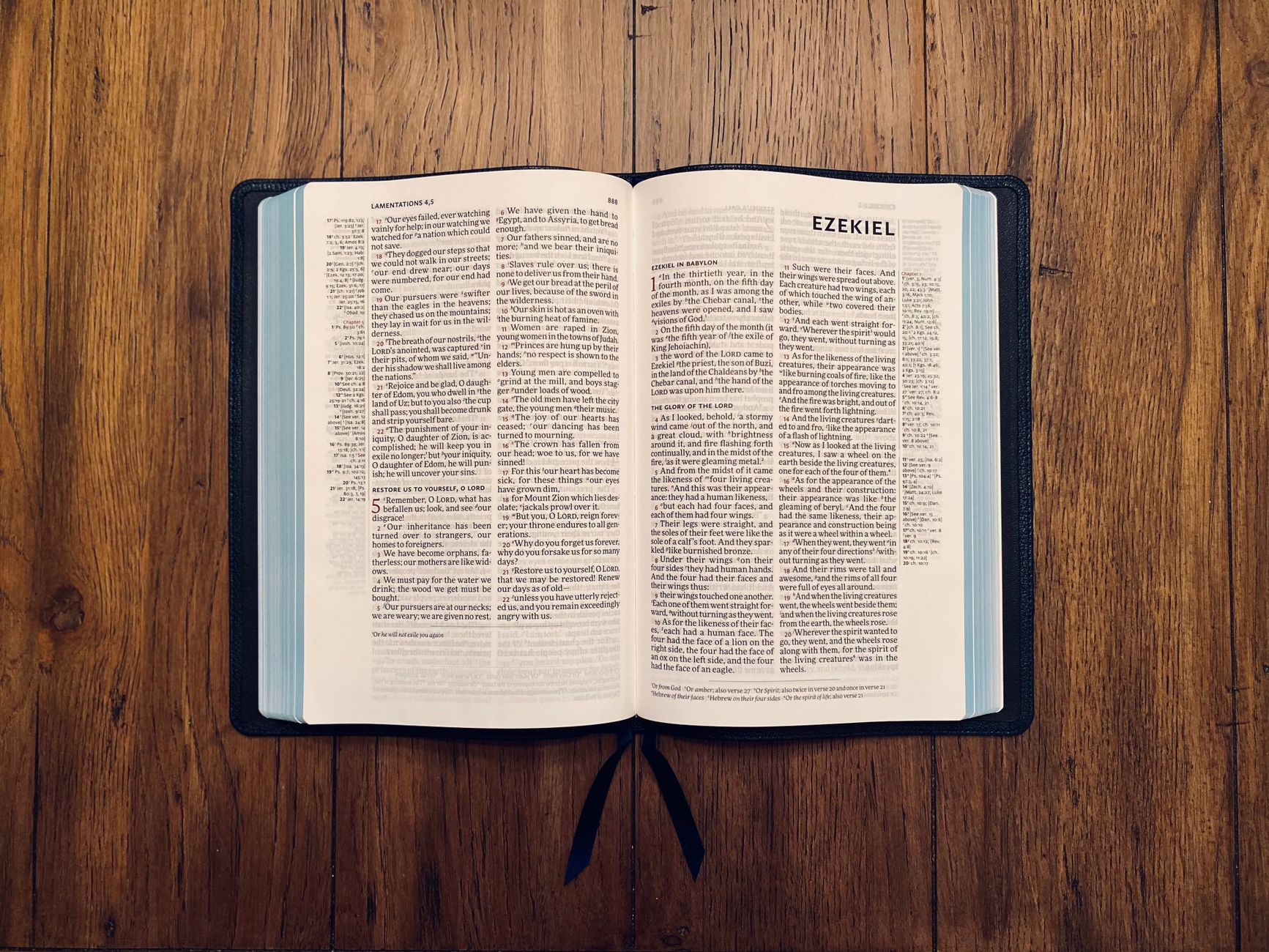
The concept of being a child of God holds significant meaning across various religious traditions, most notably within Christianity. In this exploration, we will delve into the biblical interpretation of what it means to be a child of God, how this identity shapes belief systems, and the implications for personal spiritual growth.
In many Christian teachings, the idea of being a child of God is not merely a status; it is an invitation into a deeper relationship with the divine. This foundational understanding can inspire how believers live their lives and perceive their roles within their communities and families.
What Does It Mean to Be a Child of God According to the Bible?
To address the question, “Who is a child of God according to the Bible?” we must consider key scriptural references and interpretations. The concept is primarily found in the New Testament, where believers are portrayed as God’s children through their faith in Jesus Christ.
For instance, in John 1:12 (NIV), it is written, “Yet to all who did receive him, to those who believed in his name, he gave the right to become children of God.” This passage signifies that anyone who accepts Jesus as their Savior enters into a relationship with God, thus becoming His child.
Key Biblical Passages on Being a Child of God
Several passages throughout the New Testament highlight different aspects of being a child of God. These verses can offer distinct insights into understanding one’s identity and responsibilities as a believer:
- Romans 8:14-16: “For those who are led by the Spirit of God are the children of God. The Spirit you received does not make you slaves, so that you live in fear again; rather, the Spirit you received brought about your adoption to sonship. And by him we cry, ‘Abba, Father.'” This passage emphasizes the intimate relationship believers have with God, characterized by freedom rather than servitude.
- Galatians 3:26: “So in Christ Jesus, you are all children of God through faith.” Here, Paul articulates the idea that faith unifies all believers, regardless of their background, making them equal heirs in God’s family.
- 1 John 3:1: “See what great love the Father has lavished on us, that we should be called children of God! And that is what we are!” This verse celebrates the love of God that grants believers their identity as His children.
The Meaning of Sonship
The term “sonship” is significant in the context of being a child of God. In biblical terms, sonship refers not only to a familial relationship but also to partnership in the mission of God. Being a child of God implies a call to live in ways that reflect God’s character and purposes.
This involves qualities such as love, justice, mercy, and righteousness. Believers are called to mirror these attributes in their daily lives, fostering compassion and understanding toward others. The behaviors expected of a child of God reflect their relationship with the Father.
Implications of Being a Child of God
Understanding oneself as a child of God has profound implications for personal identity, community, and spiritual life. Here are some key aspects to consider:
- Identity and Worth: Recognizing one’s status as a child of God can lead to a stronger sense of self-worth. Believers are reminded that they are valued and loved by their Creator.
- Belonging: The identity of being a child of God fosters a sense of belonging within a faith community. This unity transcends cultural and social barriers, enabling a supportive environment.
- Responsibility: With the privilege of being a child of God comes the responsibility to live out one’s faith actively. This may take the form of service, evangelism, or advocacy for justice.
- Assurance: The notion of being a child of God provides comfort and assurance in times of trouble. Believers can trust in God’s love and provision, knowing they belong to Him.
The Role of Faith in Becoming a Child of God
Faith plays a crucial role in the biblical understanding of becoming a child of God. It is through faith that individuals enter into a relationship with God. This faith is not a mere intellectual acknowledgment but a deep trust and commitment to follow Christ.
In Ephesians 2:8-9 (NIV), it states, “For it is by grace you have been saved, through faith—and this is not from yourselves, it is the gift of God—not by works, so that no one can boast.” This underscores that the relationship between God and believers is not earned but is extended through God’s grace.
Challenges in Embracing the Identity of a Child of God
While the identity of being a child of God is enriching, it is not without challenges. Here are some common struggles believers may face:
- Doubt: It is natural for individuals to experience doubts about their worthiness or ability to fulfill their identity as children of God.
- Isolation: Some may feel isolated, particularly if they are in environments that do not support or share their faith.
- Temptation: The pressures of modern life and societal norms can lead to conflicts between one’s beliefs and actions.
Addressing these challenges often involves community support, prayer, and a clear understanding of biblical teachings.
The Importance of Community and Fellowship
Being recognized as a child of God also involves community and fellowship with other believers. The early church depicted in Acts 2:42-47 highlights the significance of gathering together for worship, teaching, and breaking bread.
- Support: A community can provide support during difficult times, reinforcing the idea of sharing burdens.
- Growth: Interactions with fellow believers can lead to spiritual growth. They encourage one another and hold each other accountable.
- Service: Communities often come together to serve others, embodying the teachings of Jesus, such as loving one’s neighbor.
Practical Steps to Deepen Your Understanding
If you wish to deepen your understanding of what it means to be a child of God, consider the following practices:
- Scripture Reading: Spend time daily reflecting on biblical passages related to your identity as a child of God.
- Prayer: Engage in prayer, asking God for clarity and growth in understanding your relationship with Him.
- Join a Fellowship: Participate in a local church or community group to foster relationships with others who share your faith.
- Serve Others: Look for opportunities to volunteer in your community, demonstrating the love of Christ.
Final Thoughts on Being a Child of God
The identity of being a child of God is both a privilege and responsibility. As believers, accepting this identity shapes one’s worldview, influences actions, and encourages fellowship with others. It invites individuals into a deeper understanding of their worth and purpose, ultimately leading to a fulfilling spiritual journey.
This exploration of what it means to be a child of God is a rich tapestry woven throughout scripture and experience. By committing to deeper understanding and practice, believers can fully embrace their identity in relationship with God.
For those seeking further insight, consider exploring passages such as Bible Verses About Water, or look into Prayers for Fasting to enhance your spiritual practice. These resources can complement your journey as a child of God.