
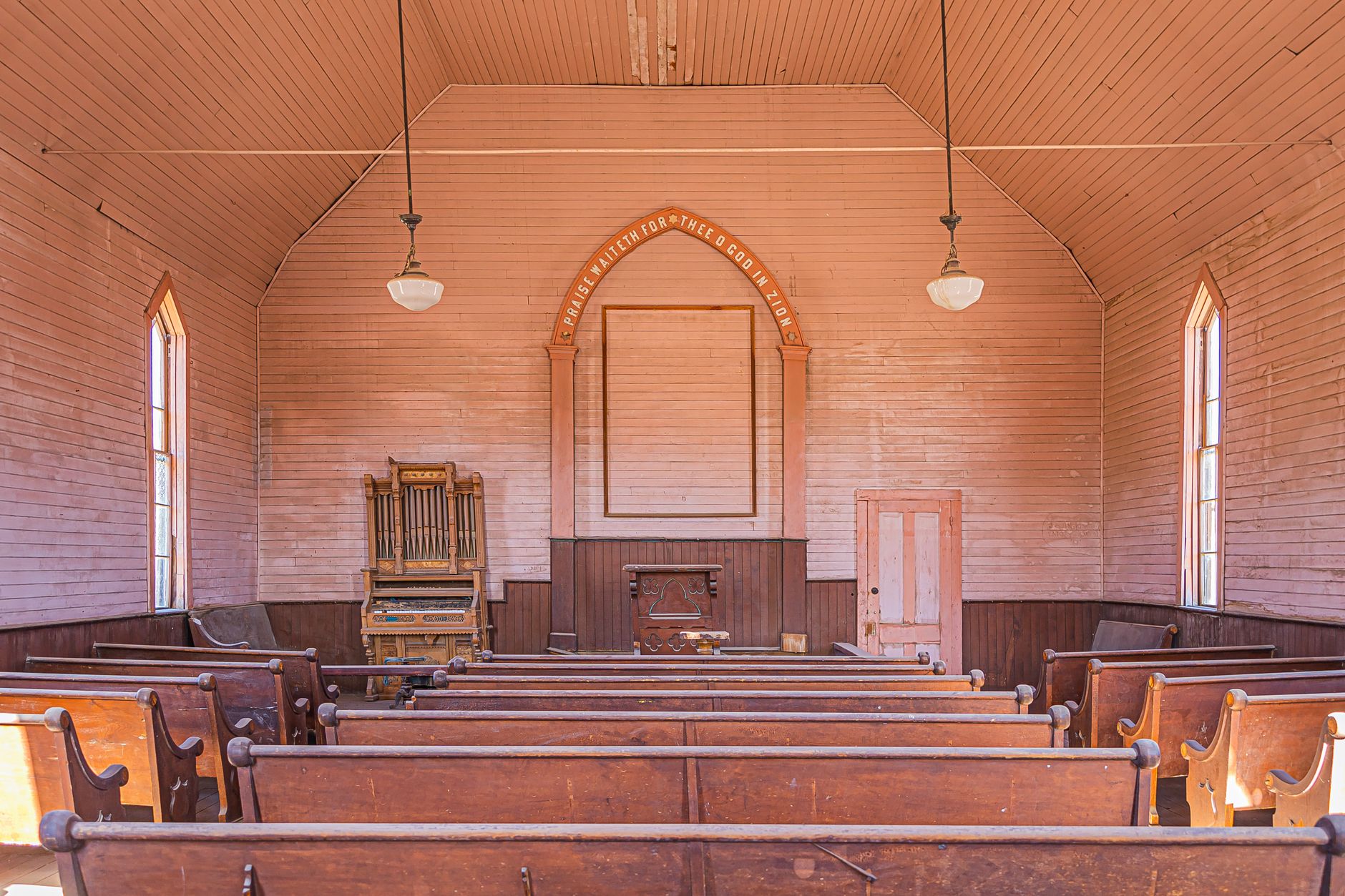
Understanding the notion of Zion in the Bible is essential for grasping its significance within biblical scholarship and broader religious discussions. The term “Zion” emerges repeatedly in both the Old and New Testaments, carrying profound spiritual and historical implications for several religious traditions, particularly Judaism and Christianity.
This exploration delves into the various contexts where Zion appears, its symbolic meanings, and its relevance to contemporary faith practices.
Who Is Zion in the Bible?
In biblical terms, Zion refers primarily to a specific hill in Jerusalem, but it expands to encompass broader meanings, including representing the city of Jerusalem itself, the people of Israel, and even a spiritual ideal in Christian thought. The term often signifies a place of refuge, the divine presence, and a future hope for redemption.
Historical Background of Zion
Zion’s historical roots can be traced back to the ancient city of Jerusalem. Initially, it referred to the Jebusite fortress that King David captured, becoming the nucleus of what would grow into a significant religious center for Judaism. Over time, the identification of Zion expanded to represent the entire city of Jerusalem.
Scripturally, one of the earliest mentions of Zion can be found in 2 Samuel 5:7, where David conquers the stronghold of Zion: “Nevertheless, David took the stronghold of Zion, that is, the City of David.” This conquest established Jerusalem as the religious and political heart of Israel.
Theological Significance of Zion
Zion holds a deep theological significance across different religious perspectives:
- Judaism: In Jewish thought, Zion symbolizes not only Jerusalem but also the Jewish people’s longing for a return to their ancestral land, especially in the context of exile and diaspora. The phrase “Next year in Jerusalem” articulates this deep yearning during Passover celebrations.
- Christianity: In Christian scripture, Zion can represent the spiritual kingdom of God, often referred to as the “New Jerusalem.” Christians view Zion as a symbol of deliverance, hope, and the fulfillment of God’s promises.
- Islam: While Zion specifically belongs to Jewish and Christian theology, it indelibly influences Islamic thought concerning Jerusalem as the Al-Quds, the holy city that holds special significance in all three Abrahamic faiths.
Symbolism of Zion
The symbolism associated with Zion extends beyond its geographical significance. It has come to embody the ideas of hope, restoration, and divine presence. Several verses throughout the Bible illustrate Zion’s multifaceted symbolism:
- In Isaiah 2:3, Zion is depicted as a place where people come to seek God’s teaching: “Many peoples will come and say, ‘Come, let us go up to the mountain of the Lord, to the temple of the God of Jacob.'” This portrays Zion not only as a physical location but as a spiritual destination.
- Psalms frequently celebrate Zion, emphasizing its beauty and importance as God’s chosen dwelling place. For example, Psalm 48:2 states, “Beautiful in elevation, the joy of all the earth, is Mount Zion, in the far north, the city of the great King!”
- The New Testament also references Zion, particularly in the book of Hebrews, which connects it to the heavenly Jerusalem. Hebrew 12:22 proclaims, “But you have come to Mount Zion, to the city of the living God, the heavenly Jerusalem.” This signifies the transition from an earthly to a spiritual understanding of Zion.
Modern-Day Reflections on Zion
Today, Zion continues to hold relevance for individuals and communities navigating their spiritual journeys. This can manifest in various ways, such as:
- Community Building: For many Jewish communities, Zionism reflects the ongoing connection to their cultural identity and homeland.
- Christian Hope: For Christians, Zion symbolizes the hope of reconciliation and ultimate redemption, where believers anticipate the return of Christ and the establishment of God’s eternal kingdom.
- Interfaith Dialogues: Understanding Zion fosters interfaith conversations, highlighting shared values among Judaism, Christianity, and Islam regarding Jerusalem as a sacred site.
Zion in Sacred Texts
The references to Zion throughout sacred texts provide a window into its significance within religious life:
- In the Old Testament, Zion is often portrayed as a place of worship and celebration. For instance, Psalms 87 refers to Zion as “the city of God,” emphasizing its central role in worship and spiritual life.
- The prophetic literature often associates Zion with justice and restoration. For example, Zechariah 8:3 describes the Lord returning to Zion and dwelling in Jerusalem, making it a symbol of hope and divine promise.
- In the New Testament, the Book of Revelation uses Zion to symbolize the ultimate victory of God and the establishment of a new order. Revelation 21:2 describes the New Jerusalem coming down out of heaven, closely aligning with the vision of Zion in Christian eschatology.
Celebration of Zion through Festivals
Zion is a focal point of many Jewish and Christian celebrations, serving as a reminder of faith and resilience:
- Passover: The celebration of liberation from Egyptian bondage often evokes themes of yearning for Zion and restoration of the Jewish people.
- Sukkot: The Feast of Tabernacles emphasizes the connection to the land, commemorating the harvest and God’s provision, with prayers for the restoration of Jerusalem and Zion at its heart.
- Advent and Christmas: In Christian traditions, the themes of waiting and anticipation during Advent often include reflections on Zion as believers await the coming of Christ, paralleling sacred hopes and traditional Jewish themes.
Prayers and Reflection on Zion
In both prayer and reflection, Zion serves as a powerful symbol. Here are practices to explore this in your spiritual life:
- Read the Psalms: Engage in the Psalms that reference Zion and meditate on their meanings. Reflect on what Zion symbolizes for you in your personal faith journey.
- Participate in communal prayers: Join a prayer service that focuses on Zion, such as a Shabbat service or a Christian gathering celebrating the joy of God’s presence.
- Creation of a spiritual space: Designate a personal or communal space within your home or community where individuals can reflect on Zion and what it represents in their lives.
- Contemplative practices: Engage in quiet contemplation or meditation centered around the themes of hope, restoration, and divine presence linked to Zion.
Conclusion
Zion’s significance in the Bible transcends its physical location, encapsulating a range of spiritual meanings across several religious traditions. From its roots in ancient Jerusalem to its broader theological implications, the exploration of Zion invites believers of various traditions to reflect on their faith journeys and communal identities. As individuals continue to seek meaning, the rich legacy of Zion remains an enduring source of inspiration for many.
For further exploration of related topics, consider reading about Bible Verses About Food or Prayers for Food. These articles delve into how food and spirituality intertwine, further enriching your understanding of faith and sustenance.