
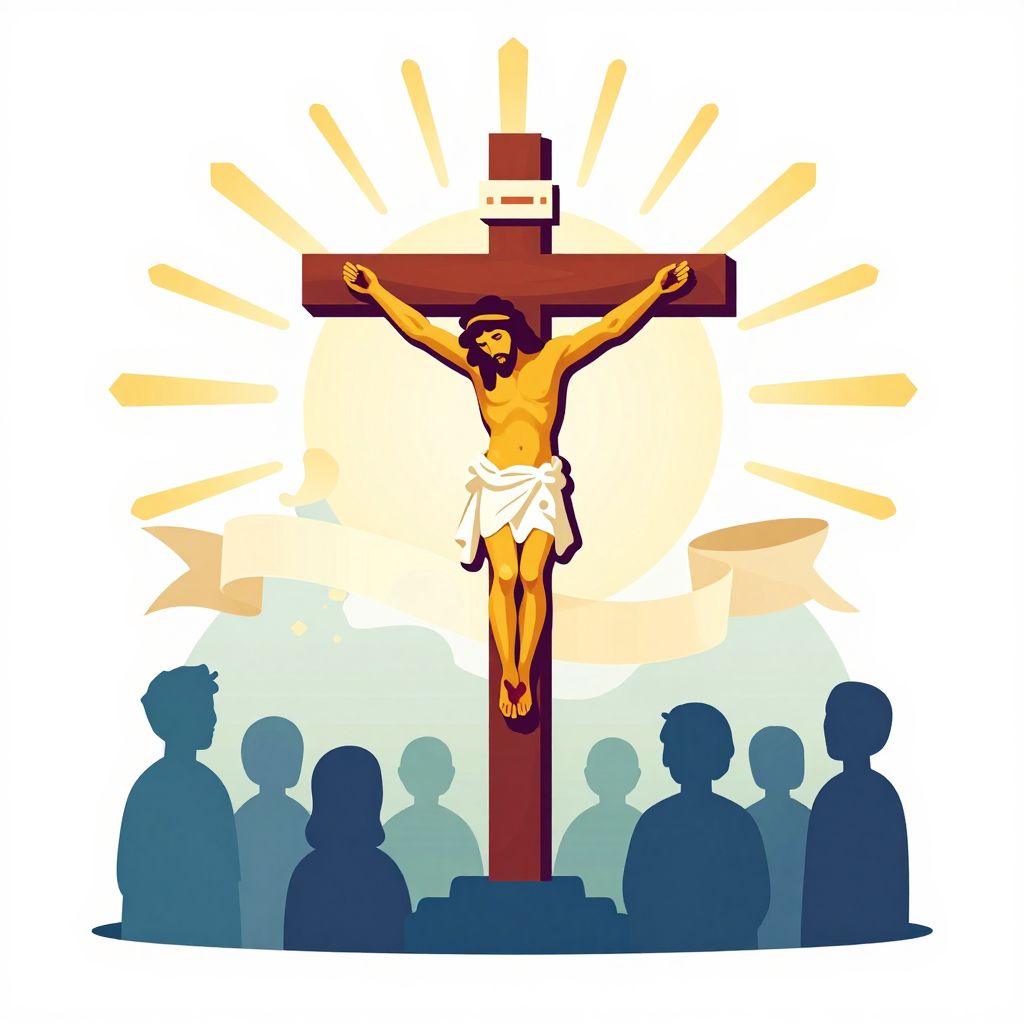
Why do so many people struggle mentally and spiritually with the death of Jesus? Have you ever paused to think why His crucifixion is critical not only to Christianity but to your own spiritual walk? This article will explore why Jesus died on the cross and why it matters for your life today, anchoring our understanding firmly in Scripture.
Why Did Jesus Die On The Cross?
Jesus died on the cross to atone for humanity’s sins, fulfilling God’s promise of redemption. His sacrifice offers a way for all people to reconcile with God, ensuring eternal life for those who believe. This profound truth undergirds the entire Christian faith.
Understanding the Sin Problem
Sin is a fundamental issue faced by all humanity. Romans 3:23 clearly states, “For all have sinned and fall short of the glory of God.” Sin separates individuals from God, creating a chasm that human effort cannot bridge. Have you ever felt the weight of guilt or shame? That’s evidence of our fallen nature.
The Requirement of Sacrifice
From the beginning, God established a system of sacrifice for the forgiveness of sins. Leviticus 17:11 explains, “For the life of a creature is in the blood, and I have given it to you to make atonement for yourselves on the altar.” The Israelites sacrificed animals, pointing towards a future ultimate sacrifice. Jesus, as the Lamb of God (John 1:29), fulfills this role perfectly.
Fulfillment of Prophecy
Many Old Testament prophecies foretell the coming of a Savior who would suffer for the sins of humanity. Isaiah 53:5 declares, “But he was pierced for our transgressions, he was crushed for our iniquities.” Jesus’ suffering on the cross fulfills these ancient predictions, confirming His identity as the Messiah.
The Divine Purpose of Jesus’ Death
At the crux of Christianity is the sacrificial death of Jesus. In John 3:16, we read, “For God so loved the world that he gave his one and only Son.” His death was not a random act of violence; it was part of God’s divine plan for redemption. Why does this matter? It demonstrates God’s profound love for humanity.
What Did Jesus Achieve on the Cross?
The crucifixion accomplished several monumental spiritual achievements that impact believers today. Each aspect is essential to understanding the significance of His sacrifice.
Atonement for Sin
The primary purpose of Jesus’ death was to make atonement for sin. Hebrews 9:22 states, “Without the shedding of blood, there is no forgiveness.” Jesus willingly shed His blood, providing a path to forgiveness for everyone who believes. What does that forgiveness look like in your life?
Reconciliation with God
Jesus’ sacrifice allows believers to be reconciled with God. Ephesians 2:13 explains that through Christ, those who were “far away” are brought near by the blood of Christ. This reconciliation repairs the severed relationship due to sin. Have you experienced that closeness with God?
Defeating Death
Jesus’ death also ensures victory over death. Romans 6:23 reveals, “For the wages of sin is death, but the gift of God is eternal life.” Jesus didn’t stay dead; He rose again, offering the hope of eternal life. Death no longer holds power over those who trust in Him. How does the hope of eternal life shape your current struggles?
Providing Righteousness
Through Jesus’ death, believers receive righteousness. In 2 Corinthians 5:21, Paul writes, “God made him who had no sin to be sin for us, so that in him we might become the righteousness of God.” This means when God looks at believers, He sees the righteousness of Christ instead of their sins. Isn’t that a comforting truth?
The Cross as a Symbol of Love
The cross signifies God’s immense love. It’s more than just a historical event; it embodies the deepest expression of love known to humanity. Understanding this aspect can transform how individuals view their relationship with God.
The Depth of Sacrificial Love
Jesus’ willingness to endure suffering and humiliation demonstrates the depths of His love. John 15:13 states, “Greater love has no one than this: to lay down one’s life for one’s friends.” His act on the cross is the ultimate expression of love. How do you reflect that love to those around you?
Calling Us to Love Others
The love demonstrated at the cross challenges believers to love others. 1 John 4:19 teaches, “We love because he first loved us.” This love is not just an emotion but an active choice to serve and sacrifice for others. In what ways can you express sacrificial love today?
The Cross: The Turning Point of History
The crucifixion stands as a pivotal moment in history. It reshaped not only the lives of those present at the time but continues to transform lives today.
Significance in God’s Redemptive Plan
The death of Jesus marked the fulfillment of God’s plan to redeem humanity. Revelation 13:8 refers to Jesus as “the Lamb slain from the foundation of the world.” His journey to the cross was not an afterthought but God’s ultimate plan for salvation. How does knowing this change your perspective on the events of your life?
Spread of the Gospel
The message of the cross continues to spread across the world. Matthew 28:19-20 commands, “Go therefore and make disciples of all nations.” The cross serves as the foundation of the Gospel. Believers are encouraged to share this message of hope. Who in your life needs to hear this life-changing truth?
Living in Light of the Cross
Understanding why Jesus died on the cross compels believers to live differently. It influences daily actions, decisions, and interactions.
Embracing Forgiveness
Believers should embrace forgiveness as an essential part of their lives. Colossians 3:13 encourages, “Forgive as the Lord forgave you.” Holding onto grudges or resentments conflicts with the grace received from Christ’s sacrifice. Who do you need to forgive today?
Taking Up Our Own Cross
Jesus calls His followers to take up their crosses. Luke 9:23 states, “Whoever wants to be my disciple must deny themselves and take up their cross daily and follow me.” This call to discipleship involves sacrifice and self-denial in living for God. What does taking up your cross look like in your daily life?
Living Out Love and Grace
The cross exemplifies the love and grace believers are to extend to others. Ephesians 4:32 instructs, “Be kind and compassionate to one another, forgiving each other, just as in Christ God forgave you.” This kind of love draws others to Christ. How can you cultivate kindness in your interactions this week?
The Power of The Cross
The cross represents power—even the power to transform lives. The message of the cross brings hope and joy to believers.
Transforming Lives
The cross transforms those who accept its message. 1 Corinthians 1:18 states, “The message of the cross is foolishness to those who are perishing, but to us who are being saved it is the power of God.” Christ changes hearts because of His sacrificial love. Have you experienced that transformative power in your life?
Hope for the Future
Lastly, the cross offers hope for the future. Colossians 1:27 speaks of “the hope of glory.” Believers have the assurance of eternal life through Jesus Christ. This hope sustains through trials and hardships. In what ways can you anchor yourself in that hope today?
As you reflect on the significance of Jesus’ death on the cross, consider how it shapes your faith and life. The relevance of the cross remains not just in history but in your heart. Allow the truth of His sacrifice to invigorate your relationship with God.
Explore more about the depth of Jesus’ sacrifice by reading about Bible verses about Jesus paying our debt or delve into the Bible verses about the crucifixion of Jesus to further grasp the groundbreaking impact of the cross in your life.