
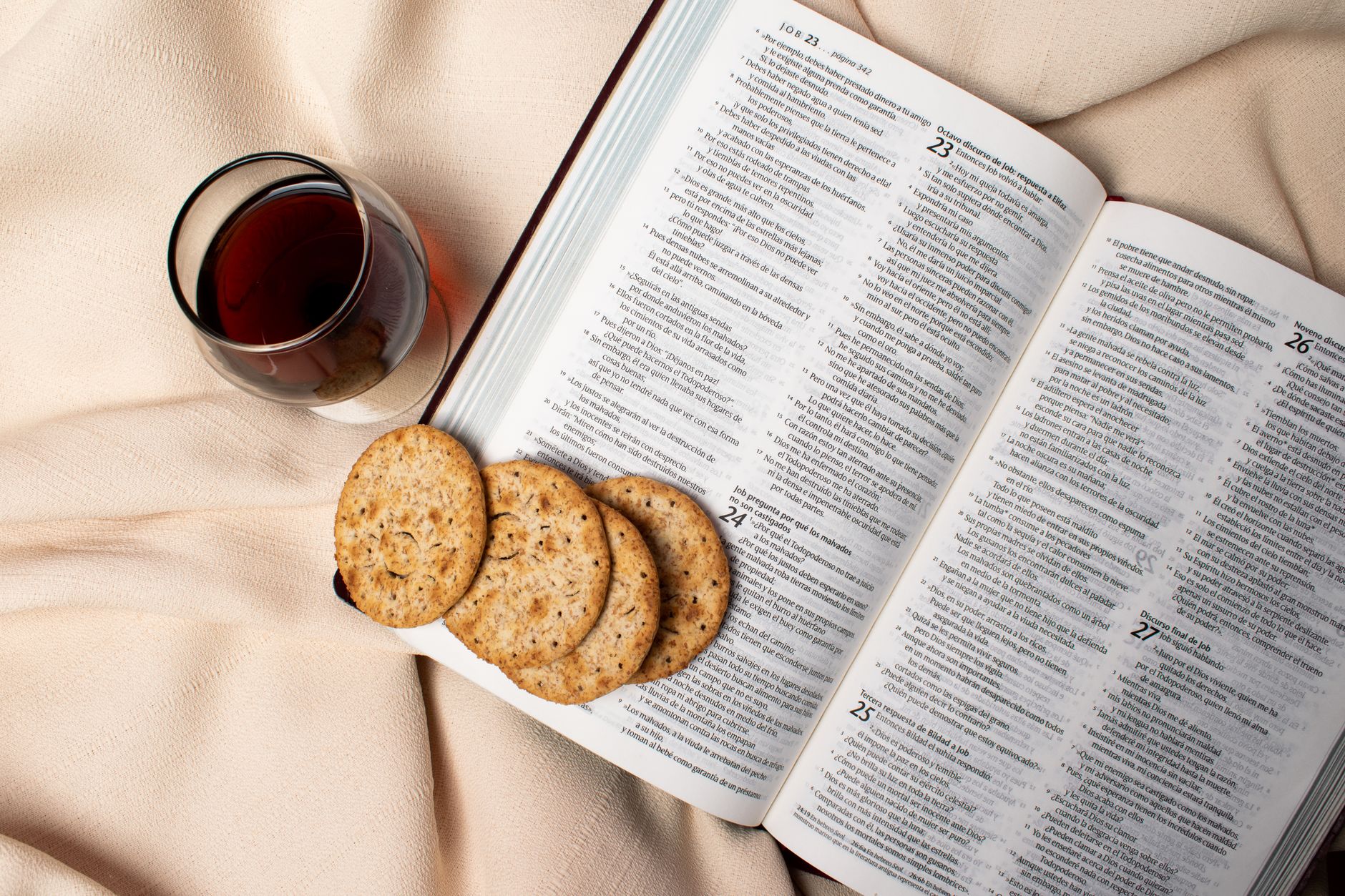
Alcohol has long held a significant place in various cultures and religions throughout history. One of the intriguing aspects of alcohol is its designation as “spirits,” a term that evokes a sense of mystery and depth. Understanding the reasons behind this terminology invites us to explore not only linguistic origins but also the spiritual connections that many people have attached to alcohol consumption.
The term “spirits” is derived from the Latin word ‘spiritus,’ which translates to breath or soul. In many religious and spiritual contexts, alcohol has been viewed as a means of transcending the physical realm, connecting individuals with the divine, or elevating their spiritual experience. This article will delve into the various facets of why alcohol is referred to as “spirits,” examining historical, cultural, and religious perspectives.
What Does “Spirits” Mean in the Context of Alcohol?
When referring to alcoholic beverages as “spirits,” we are essentially talking about distilled alcoholic drinks that contain an elevated level of alcohol by volume (ABV). These can include liquors like whiskey, vodka, rum, gin, tequila, and brandy. Distillation is the process that not only concentrates the alcohol but also often enhances the flavors and aromas, which can lead to a more intense drinking experience.
In a spiritual sense, the term “spirits” has deeper connotations. It indicates a connection between the material and the immaterial, suggesting that the very essence of the drink can evoke certain feelings, memories, or insights that transport individuals beyond everyday experiences.
The Historical Roots of “Spirits”
The historical usage of the word “spirits” relates to how alcohol has been perceived since ancient times. Early civilizations, from the Egyptians to the Sumerians, recognized the intoxicating effects of fermented beverages and often incorporated them into their rituals, celebrations, and daily life.
As societies evolved, so did the terminology. The alchemists of the Middle Ages referred to alcohol as “spiritus” because they believed it held the essence or “spirit” of the fermented materials. When distilled, it was thought that the alcohol extracted could act as a bridge to the spiritual realm.
Religious Interpretations of Alcohol as Spirits
Different religions and spiritual traditions have unique views on alcohol and its spiritual significance. These perspectives shape how adherents understand and consume alcohol.
Christianity and Wine
In Christianity, wine holds a pivotal role in rituals and symbolism. Jesus famously turned water into wine at the wedding in Cana, which Christians celebrate as a miracle. During Communion, wine represents the blood of Christ, serving as a sacred symbol of sacrifice and redemption. This sacramental use of wine further solidifies its classification as a “spirit,” as it embodies the presence of the divine in a tangible form.
Eastern Traditions and Alcoholic Beverages
In Eastern philosophies, such as Taoism and certain branches of Buddhism, alcohol can serve as a means of achieving a meditative or euphoric state. While these traditions often encourage moderation, the use of alcohol in rituals can symbolize the release of the earthly self to connect with a higher state of consciousness.
Indigenous Practices
Many Indigenous cultures incorporate alcoholic beverages made from local plants into their spiritual practices. For example, certain tribes may use fermentation as a way to connect with ancestors or invoke spirits in ritualistic ceremonies. Here, alcohol is not merely a drink; it acts as a medium that facilitates communication with the spiritual world.
The Influence of Romanticism on the Concept of Spirits
The Romantic Movement of the 18th and 19th centuries celebrated the idea of personal emotion and experience. Poets and thinkers of this era often connected their creative expressions with the consumption of alcohol, viewing it as a muse that could unlock deeper truths and emotions. This connection between creative expression and the “spirits” contributed to the idea that alcohol could elevate the human experience, leading to spiritual insights.
Spiritual and Ethical Considerations
While alcohol can offer certain spiritual experiences, it’s important to engage with it responsibly. Many religions and spiritual paths emphasize the need for moderation and self-control as a means to foster a healthy relationship with substances.
- Moderation: Many spiritual traditions advocate for moderation in all things, including alcohol consumption. Excessive drinking can hinder one’s spiritual growth, diminish clarity, and lead to adverse effects.
- Intention: The intention behind consuming alcohol can significantly shape the experience. Using alcohol to enhance social connections or to celebrate can differ from using it as an escape from difficulties.
- Community Perspectives: Engaging with one’s community and understanding the collective attitudes towards alcohol can further inform personal choices and practices.
Practical Spiritual Exercises Related to Alcohol
For those who choose to include alcohol in their spiritual journey, consider the following exercises that encourage mindfulness and intention:
- Mindful Drinking: When consuming alcohol, focus on the flavors and aromas. Take small sips and appreciate the experience without rushing.
- Setting Intentions: Before drinking, set a clear intention for the experience. This could be to relax, celebrate, or connect with others.
- Reflection: After consuming alcohol, reflect on how it affects your mood and thoughts. Consider keeping a journal to document these experiences.
Alcohol in Various Cultural Rituals
Rituals involving alcohol provide a rich tapestry of cultural practices that showcase the deep connection between beverages and spirituality. Here are a few examples:
Samhain and Wiccan Practices
In Wiccan traditions, Samhain is a festival that celebrates the end of the harvest season. Alcoholic beverages, such as mead or wine, are often used in rituals to honor the ancestors and the cycle of life and death.
Hindu Ceremonies
In some Hindu rituals, such as weddings or festivals, alcohol is consumed as a form of celebration. The intention is to foster joy and deepen communal bonds.
New Year Celebrations
Across various cultures, the consumption of alcoholic beverages during New Year celebrations is a common practice. It symbolizes new beginnings and the hope of prosperity for the year ahead.
Ethical Considerations Within Spiritual Contexts
When considering alcohol consumption within a spiritual context, various ethical considerations arise, stemming from both community norms and personal beliefs:
- Addiction: For some individuals, alcohol can lead to addiction, which poses ethical concerns regarding personal health and community harmony.
- Discrimination: Some religions have strict prohibitions against alcohol, and understanding these beliefs fosters respect for diverse practices.
- Support Systems: Many spiritual communities offer support for individuals struggling with substance use, emphasizing the importance of compassion and understanding.
Conclusion and Final Reflections
The term “spirits” encapsulates a complex interplay between alcohol and spirituality, revealing how various cultures and traditions perceive this potent beverage. Whether viewed as a medium of connection to the divine, a tool for introspection, or a method for communal bonding, the understanding of alcohol’s nature as “spirits” resonates deeply across human experience.
For those wishing to explore the spiritual implications of alcohol further, consider reflecting on your relationship with intoxicants. What role does it play in your life? How might a mindful approach change your understanding and experiences?
Related discussions on spirituality and everyday life may enhance your exploration. Feel free to explore more about Bible verses about food or prayers for food to deepen your understanding of this topic.