
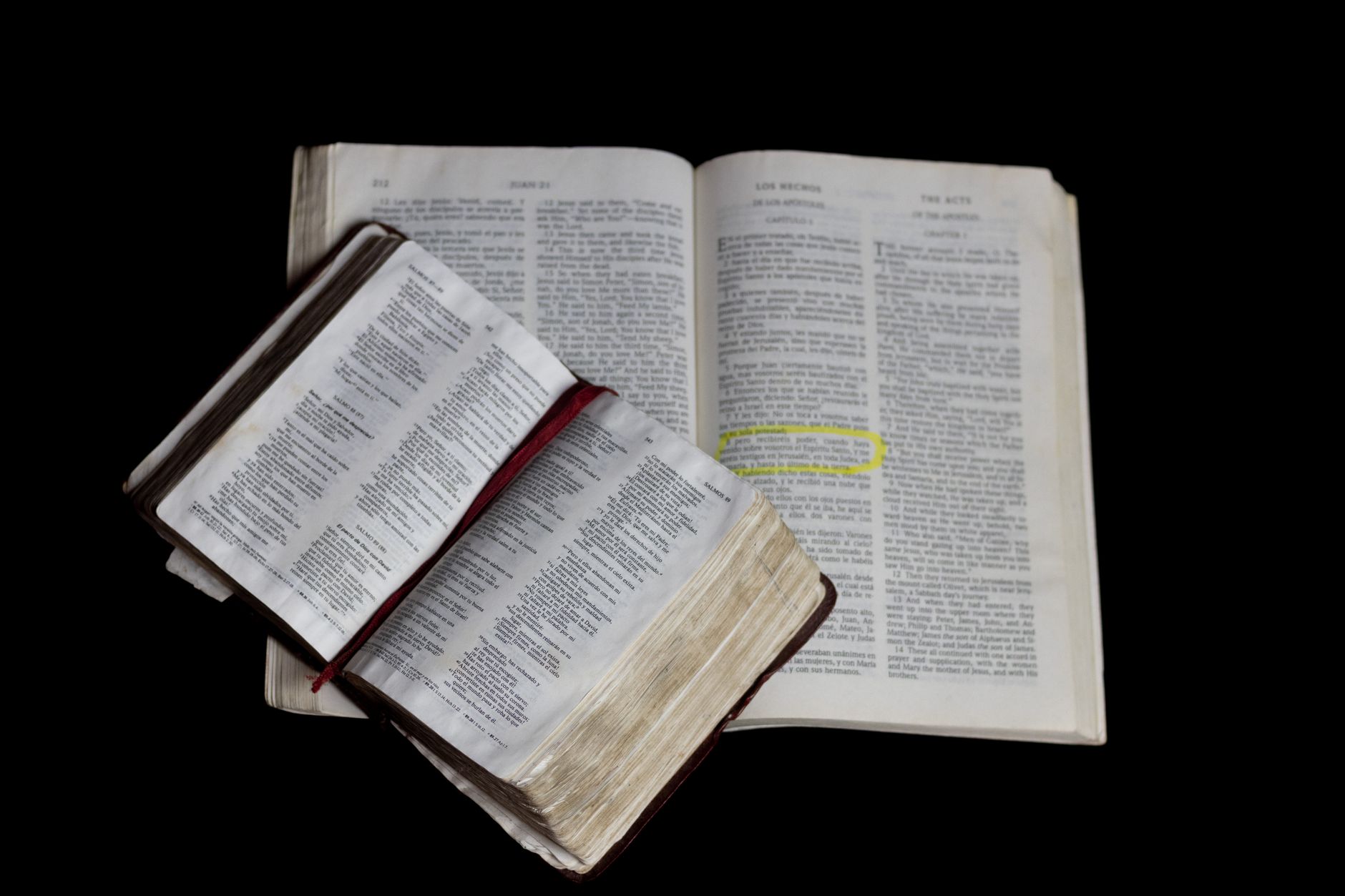
Beryl is a precious gemstone mentioned in the Bible, notably symbolizing beauty and value. Its significance arises not just from its appearance but also from its inclusion in key biblical texts that convey deeper spiritual meanings. Understanding what beryl represents within the biblical context can enrich one’s appreciation of the scriptures and offer insights into the nature of divine beauty and holiness.
This article will explore the references to beryl in scripture, the meanings attached to it, and its symbolic importance in various religious traditions. By examining beryl’s connections in the Bible and its implications for spiritual growth, readers can reflect on how these meanings can resonate in their lives.
What Is Beryl in the Bible?
Beryl, a mineral composed of beryllium aluminum cyclosilicate, is described in several locations within the Bible. It is often mentioned alongside other precious stones, enhancing its value and significance. Beryl appears in the context of the foundations of the New Jerusalem, symbolizing the beauty of God’s creation and the eternal nature of His kingdom.
Scriptural References to Beryl
One of the most prominent mentions of beryl is found in the Book of Revelation. Revelation 21:18-21 describes the New Jerusalem, where the twelve gates are adorned with various precious stones, including beryl:
“The wall was made of jasper, and the city of pure gold, as pure as glass. The foundations of the city walls were decorated with every kind of precious stone. The first foundation was jasper, the second sapphire, the third a gate, the fourth emerald, the fifth onyx, the sixth ruby, the seventh chrysolite, the eighth beryl, the ninth topaz, the tenth turquoise, the eleventh jacinth, and the twelfth amethyst.” (NIV)
This passage highlights beryl as part of the magnificent construction of the heavenly city. The use of precious stones symbolizes God’s covenant with His people and illustrates the beauty and holiness of the divine habitation.
The Literary and Historical Context
The specific reference to beryl in Revelation is significant as it occurs alongside other stones that were highly valued in ancient times. Historically, precious stones were not only indicators of wealth but also represented various spiritual truths. In the biblical tradition, materials and objects often carry symbolic meanings, reflecting the nature of God and His kingdom.
Beryl itself has been associated with several attributes, including clarity, tranquility, and spiritual awakening. Some interpretations suggest that beryl represents the purity found in creation and the divine, inviting believers to pursue spiritual growth and harmonic relationships.
The Symbolism of Beryl
To grasp the deeper meanings associated with beryl, we can explore its symbolism in religious thought and practice. Beryl carries connotations that extend beyond its physical characteristics, representing spiritual truths relevant to personal and communal faith journeys.
Spiritual Significance
Beryl is often seen as a stone representing transformation, which is a central theme throughout the Bible. The act of renewal, mentioned in Romans 12:2, reminds believers to not conform to the patterns of this world but to be transformed by the renewal of the mind:
“Do not conform to the pattern of this world, but be transformed by the renewing of your mind. Then you will be able to test and approve what God’s will is—his good, pleasing and perfect will.” (NIV)
Here, beryl can symbolize the transformative process of spiritual growth, encouraging believers to seek clarity and spiritual insight. Its presence at the New Jerusalem serves as a reminder of the ultimate transformation that awaits the faithful in the divine presence.
Beryl and Community
In addition to its individual implications, the symbolism of beryl also speaks to community and relationships. The imagery of the New Jerusalem emphasizes a place of unity and belonging, with each precious stone contributing to the overall beauty of the city. This evokes a sense of communal harmony among believers.
- Beryl invites believers to strive for unity within the body of Christ.
- It symbolizes the beauty that each individual brings to the faith community.
- The diverse gifts within a congregation contribute to a holistic and vibrant expression of faith.
Beryl in Spiritual Practices
Considering the properties associated with beryl, spiritual practices that involve meditation, prayer, and reflection can be enriched through the lens of this gemstone. Integrating the symbolism of beryl in these practices may help one to cultivate an atmosphere of clarity and peace in their spiritual life.
Meditation on Beryl
Engaging in meditation with the imagery of beryl can facilitate a deeper connection to God. Here are some practical steps for incorporating beryl’s symbolism into a meditative practice:
- Find a quiet space where you can sit comfortably without interruptions.
- Close your eyes, take a few deep breaths, and imagine the warm glow of a beryl stone surrounding you.
- Reflect on the themes of transformation and clarity as you meditate on a verse like Romans 12:2.
- Allow yourself to be open to divine insights and feelings of peace that may arise.
- Conclude your meditation with a prayer asking for guidance towards spiritual growth and harmonious relationships.
Beryl in Religious Traditions Beyond Christianity
While beryl is prominently mentioned in the Christian tradition, its significance is also recognized in other spiritual and religious contexts. In certain cultures, gemstones are thought to hold protective qualities or bring about healing. Beryl is often associated with attributes of strength and empowerment.
Judaism and Beryl
In Jewish tradition, precious stones often symbolize divine qualities. Although beryl may not be directly referenced frequently in Jewish texts, its inclusion in the breastplate of the High Priest (Exodus 28:17-20) suggests that it carries importance in the context of God’s covenant community:
“In the first row there shall be a sardinex, a topaz and a beryl; in the second row a turquoise, a sapphire and an emerald; in the third row a jacinth, an agate and an amethyst.” (NIV)
Here, beryl’s presence as one of the twelve stones signifying the tribes of Israel conveys its significance in representing the uniqueness and dignity of each tribe in the community of faith.
Other Cultural Significations
Beryl has been valued for centuries in various cultures for its beauty and believed virtues. In some traditions, it is thought to foster peace, balance, and emotional healing. This universal appreciation for beryl signifies humanity’s continuous search for beauty and spiritual fulfillment throughout history.
Practical Reflection: Incorporating Beryl’s Message
After exploring beryl’s biblical context and broader significance, one may consider how to integrate the messages of beauty, transformation, and community into daily living. Here are suggestions for practical application:
- Identify aspects of your life that may require transformation and seek divine guidance on how to approach this change.
- Engage with your faith community by sharing unique talents or gifts and reaping the benefits of shared beauty.
- Practice gratitude for the beauty found in creation, whether it be in nature, people, or acts of kindness.
- Reflect on how the qualities represented by beryl, such as peace and clarity, can enhance your spiritual journey.
Conclusion
Understanding the significance of beryl in the Bible offers a richer perspective on scripture and the beauty that God imparts to creation. This precious stone serves as a reminder of transformation, communal harmony, and the divine beauty that surrounds us. By engaging with the symbolism of beryl, one can cultivate a deeper spiritual growth and a more profound appreciation for the interconnectedness of faith.
As you reflect on the messages surrounding beryl, consider pondering your own spiritual journey and the transformations that await you. Feel encouraged to explore biblical teachings and community connections that can foster deeper insights into your faith.
For further exploration of biblical themes, you might consider engaging with these related topics: Bible Verses About Hunger and Bible Verses About Food for the Soul.