
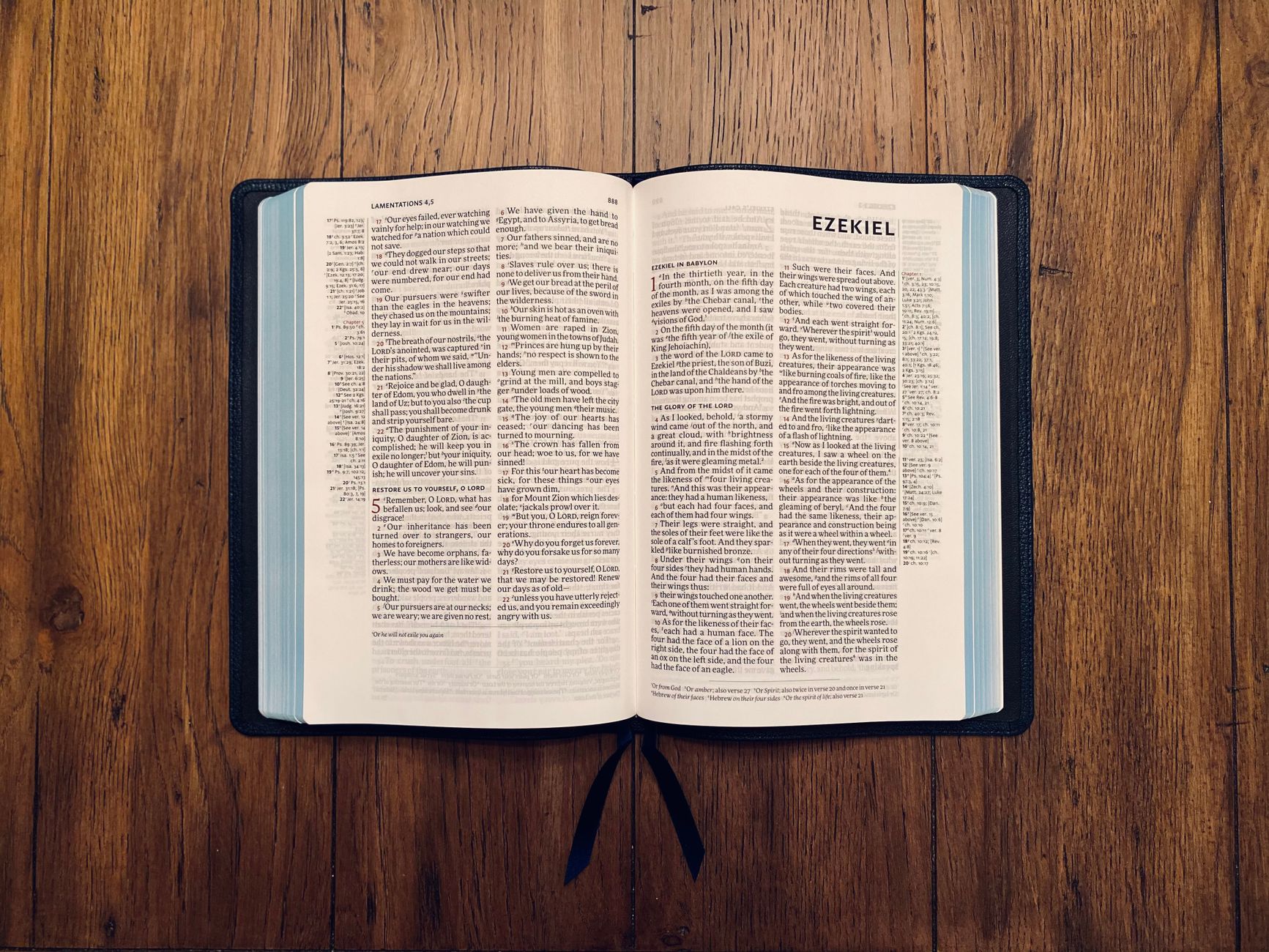
The dietary guidelines found in the Bible, particularly regarding the consumption of pork, have been a significant topic of discussion among various religious communities. Understanding the scriptural basis for these dietary restrictions can shed light on the cultural and spiritual practices surrounding food in ancient Israel, as well as their implications for contemporary believers.
This article will explore where in the Bible it specifically mentions not to eat pork, the reasons behind these directives, and how they are interpreted across different faith traditions today.
Where in the Bible Does It Say Not to Eat Pork?
The prohibition against eating pork in the Bible is found primarily in the books of Leviticus and Deuteronomy, which are a part of the Torah, the first five books of the Hebrew Bible. These texts outline the dietary laws that were to be followed by the Israelites, emphasizing the concept of ritual purity and holiness.
Biblical Passages Addressing Pork Consumption
Two key passages outline the specific prohibition against pork:
- Leviticus 11:7-8 (NIV): “And the pig, though it has a split hoof completely divided, does not chew the cud; it is unclean for you. You must not eat their meat or touch their carcasses; they are unclean for you.”
- Deuteronomy 14:8 (NIV): “The pig is also unclean; although it has a split hoof, it does not chew the cud. You are not to eat their meat or touch their carcasses.”
These laws were part of a broader set of dietary regulations aimed at distinguishing the Israelites from surrounding nations. The term “unclean” in these contexts refers to both dietary restrictions and ceremonial purity, demonstrating the importance of holiness in every aspect of life, including what one consumes.
The Cultural Context of Dietary Laws
The Israelites lived in a cultural milieu where dietary practices played a crucial role in defining group identity and religious commitment. Observing these dietary laws was not simply about physical sustenance, but was also an act of obedience to God’s commandments.
These prohibitions can be understood as part of a holistic approach to living a life dedicated to God, encompassing rituals, ethical behavior, and lifestyle choices that reflect one’s faith and commitment to covenantal relationships outlined in the scriptures.
Symbolism of Clean and Unclean Animals
The laws regarding clean and unclean animals serve to illuminate deeper theological concepts:
- Separation: The distinctions between clean and unclean animals symbolize the larger theme of separation between the sacred and the secular.
- Holiness: Following these dietary laws was seen as a way of expressing one’s holiness and setting oneself apart for God.
- Identity: By adhering to these laws, the Israelites affirmed their identity as God’s chosen people.
Diverse Interpretations Across Faith Traditions
Interpretations of these dietary laws, particularly the prohibition against eating pork, vary significantly among different religious groups, leading to a rich tapestry of belief and practice.
Judaism
In Judaism, adherence to kosher dietary laws, including the prohibition of pork, is a fundamental aspect of religious observance. Observant Jews regard these laws as divine commands that extend beyond mere dietary preferences. The significance of keeping kosher includes:
- Fulfillment of God’s commandments as a form of worship.
- Adherence to a way of life that fosters community and connection among observant Jews.
- Emphasis on spiritual and physical cleanliness.
Violating kashrut (the laws of kosher) is seen as a serious matter, often linked to broader issues of faith and identity within the Jewish community.
Christianity
Christian views on dietary restrictions, including the consumption of pork, vary widely. Most branches of Christianity do not uphold the kosher laws found in the Old Testament, believing that Jesus’ life and teachings transformed the approach to such dietary regulations. Some key points include:
- The New Testament Perspective: Passages such as Acts 10 and Mark 7 suggest a shift away from dietary restrictions. In Acts 10, Peter receives a vision in which God tells him not to call any foods impure.
- Freedom in Christ: Many Christians believe that Jesus’ sacrifice and the establishment of a new covenant liberated them from the Old Testament dietary laws.
- Different Denominations: While most Christians generally feel free to consume pork, some denominations with roots in the Hebrew Scriptures, such as the Seventh-day Adventists, encourage a vegetarian or health-oriented lifestyle, caring for dietary choices through a holistic approach to health.
Islam
Islam also prohibits the consumption of pork, with similar underlying themes of cleanliness and obedience to divine commands. The relevant texts in the Quran include:
- Surah Al-Baqarah (2:173): “He has forbidden you only the dead animals, blood, the flesh of swine, and that which has been dedicated to other than Allah.”
- Surah Al-Ma’idah (5:3): “Prohibited to you are dead animals, blood, the flesh of swine, and that which has been dedicated to other than Allah.”
For Muslims, obeying these dietary laws is part of living a life in submission to Allah and following the Prophet Muhammad’s teachings.
Spiritual Reflections on Dietary Restrictions
The practice of following dietary laws can lead to moments of spiritual reflection and growth. Engaging intentionally with food choices can foster a closer relationship with one’s faith and community. Here are some spiritual practices to consider:
- Mindful Eating: Use meals as an opportunity to express gratitude for sustenance and reflect on the connections to your faith.
- Community Meals: Share meals with others in your community, exploring the significance of shared dietary practices and traditions.
- Scriptural Study: Delve into the Bible or other sacred texts that discuss dietary laws, seeking understanding and application for your own life.
- Personal Reflection: Consider your relationship to food and diet. How do your choices reflect your spiritual beliefs?
Conclusion
The question of why certain foods, including pork, are prohibited in religious texts is not merely a matter of culinary preference but is intricately tied to faith, identity, and cultural heritage. The biblical prohibitions against pork consumption invite adherents to consider the broader implications of holiness, separation, and obedience to divine commandments.
As you reflect on these teachings, consider how dietary choices may play a role in your spiritual journey. How might you incorporate mindfulness and intentionality into your eating practices? Exploring these questions may deepen your connection to your faith and its teachings.
For further explorations into spiritual traditions, consider reading about the significance of fasting in various religions, the role of sacred symbols in spiritual practices, or how prayer varies across different faiths.