
When the aroma of warm, freshly baked bread greets you, it feels like a warm hug. This Bread In A Bag Recipe brings back memories of making dough with my kids, and the joy is all in the simplicity. Not only is this method quick and fun, but it also yields a soft, delicious bread that can complement any meal or stand proudly on its own. Whether you’re a busy parent looking to involve the kids or just someone craving homemade bread without the fuss, this recipe is a perfect choice.
Why You’ll Love This Recipe
This recipe is all about convenience and flavor.
- No mess: Everything happens right in the bag.
- Quick preparation with minimal cleanup.
- Perfect for beginner bakers and experienced hands.
- Customization options for different flavors and additions.
- A family activity that promises smiles all around.
My Experience Making This Recipe
Making bread in a bag felt like a delightful science experiment in my kitchen. As I combined the ingredients, I could already envision the kids getting their hands in the dough, giggling as they squished and kneaded the mixture.
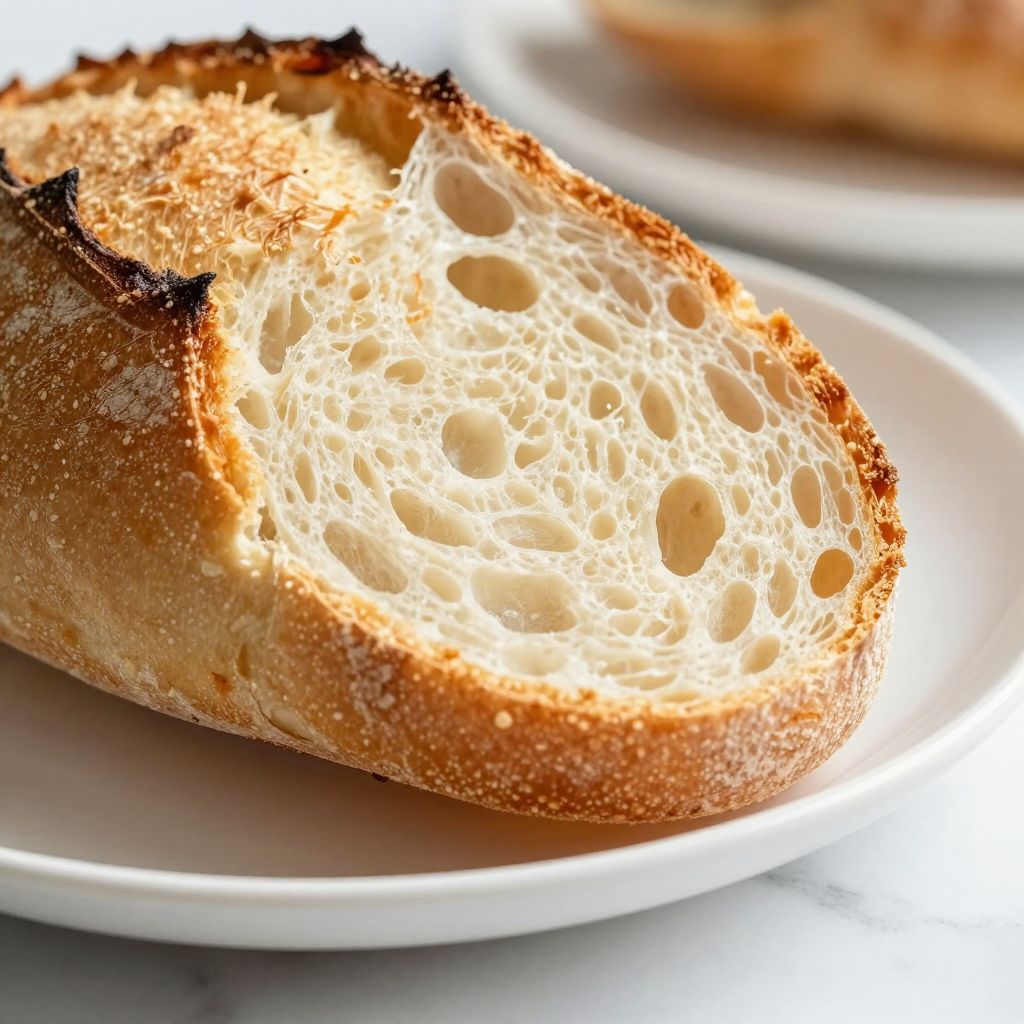
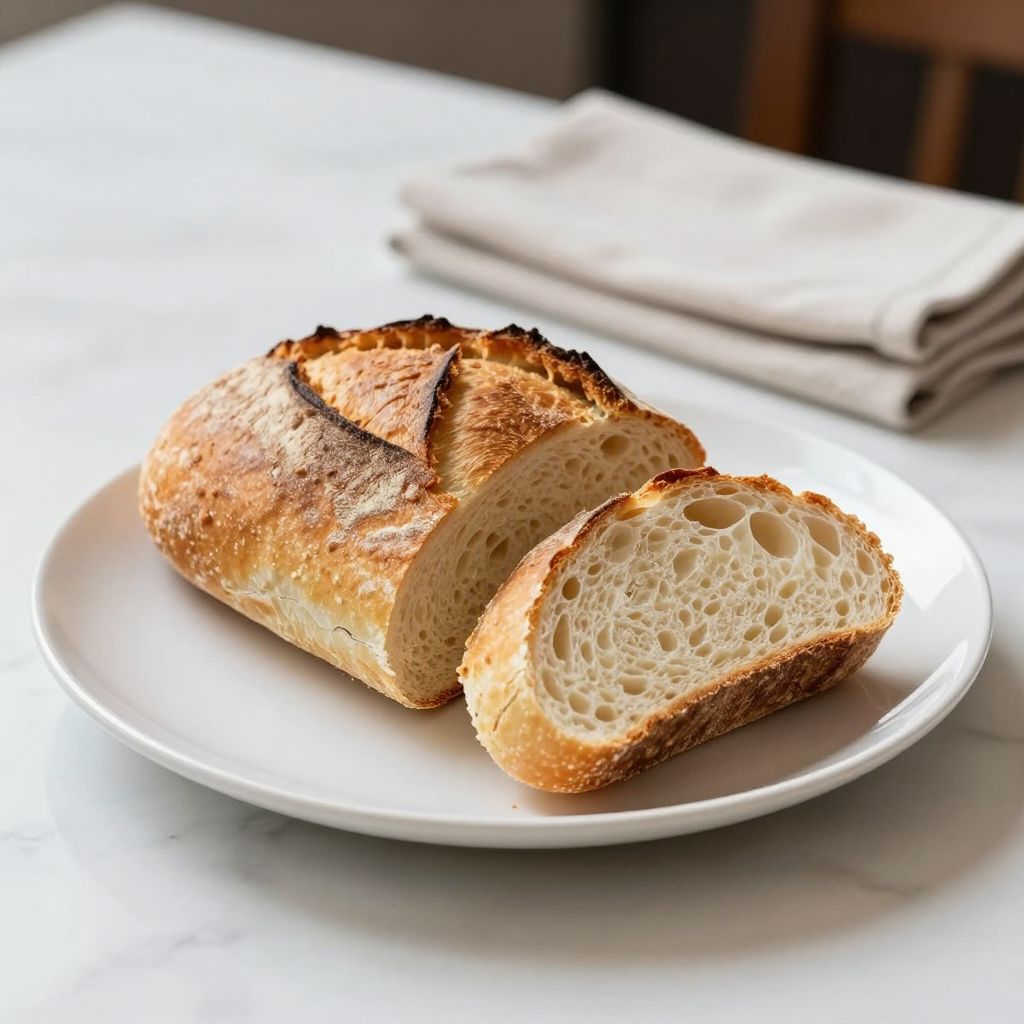
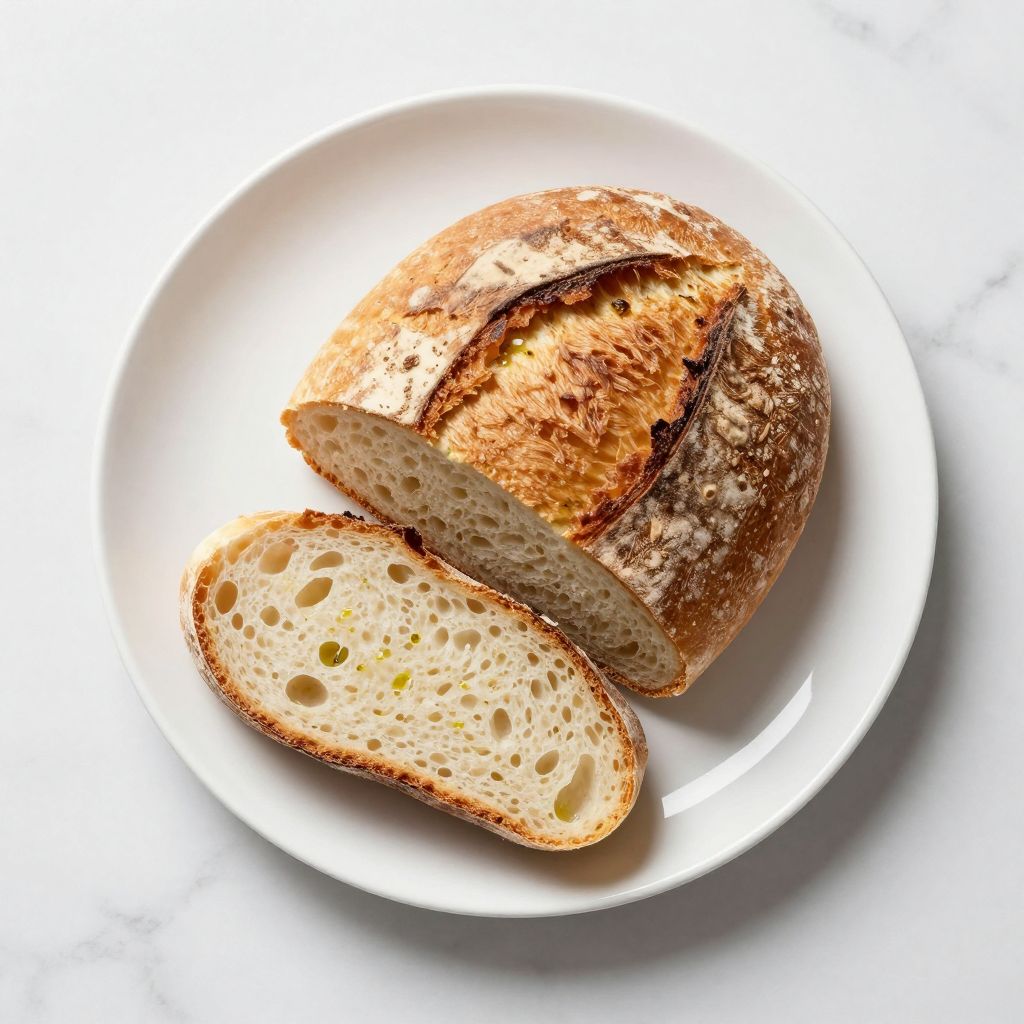
The final product, with its golden crust, was received with enthusiastic cheers at the dinner table. Each slice was soft and fluffy, perfect for slathering with butter or using for sandwiches.
Recipe Overview
- Recipe Name: Bread In A Bag
- Servings: 8
- Prep Time: 15 minutes
- Cook Time: 30 minutes
- Total Time: 45 minutes
- Course: Bread
- Cuisine: American
- Calories per Serving: 150
Equipment You Will Need
- Large resealable plastic bag
- Measuring cups
- Measuring spoons
- Baking sheet
- Parchment paper (optional)
- Oven
Ingredients for Bread In A Bag
- 2 cups all-purpose flour
- 1 cup warm water (110°F to 115°F)
- 1 tablespoon sugar
- 1 packet active dry yeast (2¼ teaspoons)
- 1 teaspoon salt
- 2 tablespoons olive oil
Ingredient Notes and Substitutions
- All-purpose flour: This is the base for the bread, giving it structure. You can substitute with whole wheat flour for a denser loaf.
- Warm water: Activates the yeast for rising. If unavailable, use room temperature water, but let the dough rise longer.
- Sugar: Feeds the yeast and adds a hint of sweetness. Honey can work as a natural alternative.
- Active dry yeast: Essential for leavening the bread. Instant yeast can be used directly, no activation needed.
- Salt: Enhances flavor and controls yeast growth. Sea salt or kosher salt works well.
- Olive oil: Adds moisture and texture. Can be swapped with melted butter for extra richness.
How to Make Bread In A Bag
Step 1: Prepare the Yeast Mixture
In a large resealable plastic bag, combine warm water, sugar, and yeast. Let it sit for 5 minutes until bubbly to ensure the yeast is active.
Step 2: Mix Dry Ingredients
In another bowl, combine flour and salt. This step evenly distributes the salt and prevents lumps in the dough.
Step 3: Combine Ingredients
Add the dry mixture to the yeast mixture in the bag. Seal the bag and gently knead the ingredients inside for about 2-3 minutes until a dough forms.
Step 4: Add Olive Oil
Open the bag and add olive oil. Seal and knead again for another minute; this step enhances flavor and texture.
Step 5: Let the Dough Rise
Leave the bag in a warm place for about 30 minutes or until the dough has doubled in size. This step is crucial for a fluffy bread.
Step 6: Preheat the Oven
Preheat your oven to 375°F (190°C) while the dough rises. Proper heat ensures even baking.
Step 7: Shape the Dough
Once risen, gently punch down the dough inside the bag. Remove it from the bag and shape it into a loaf or divide it into rolls.
Step 8: Bake the Bread
Place your shaped dough on a baking sheet lined with parchment paper. Bake for 30 minutes, or until the bread is golden brown and sounds hollow when tapped.
Pro Tip: Ensure your yeast is fresh for the best rise; expired yeast can lead to dense bread.
Tips for the Best Bread In A Bag
- Use warm, not hot water to activate yeast; temperature matters.
- Feel free to experiment with herbs or spices for added flavor.
- Let your dough rise in a slightly warm oven for maximum fluffiness.
- Make sure to seal your bag tightly during mixing to avoid spills.
- For a crusty bread, use a baking stone if you have one.
Common Mistakes to Avoid
- Using cold water can prevent the yeast from activating properly.
- Skipping the rise time will lead to dense bread.
- Over-kneading can make the bread tough; a gentle touch is key.
- Not checking for freshness on your yeast can ruin your loaf.
Serving Suggestions
This bread can be enjoyed in numerous ways. Here are some delightful serving suggestions:
- Slather with butter and jam for breakfast.
- Use for sandwiches with your favorite fillings.
- Pair with soups for a hearty meal.
- Top with garlic butter for a tasty side.
Variations to Try
- Add rosemary for an aromatic twist.
- Mix in cheddar cheese for a rich flavor.
- Incorporate sun-dried tomatoes for a Mediterranean flair.
- Try a cinnamon-sugar topping for a sweet bread.
Dietary Adaptations
- For gluten-free bread, use a gluten-free flour blend.
- Replace olive oil with coconut oil for a dairy-free option.
- Skip the oil for a low-fat version; consider adding applesauce for moisture.
Storage and Reheating
Refrigerator
Store leftovers wrapped in plastic for up to 4 days.
- Make sure it’s airtight to prevent staleness.
Freezer
Freeze slices by wrapping them tightly in foil. They can last up to 3 months.
- Thaw in the refrigerator before reheating.
Reheating
Reheat slices in the microwave for about 10-15 seconds or in the oven at 350°F for 5-10 minutes.
- Wrap in foil for a softer texture.
Nutrition Information
| Nutrient | Amount |
|---|---|
| Calories | 150 |
| Total Fat | 3g |
| Saturated Fat | 0.5g |
| Carbohydrates | 28g |
| Fiber | 1g |
| Sugar | 1g |
| Protein | 4g |
| Sodium | 180mg |
| Cholesterol | 0mg |
This nutritional overview may vary based on ingredient brands and ratios. Always verify with specific products.
Frequently Asked Questions
Can I make this bread ahead of time?
Yes, you can prepare the dough and let it rise, then refrigerate to bake later.
What if my bread is dense?
Dense bread often means the yeast was inactive. Always check the yeast’s expiration date.
Can I include mix-ins?
Definitely! Herbs, cheese, or vegetables can be kneaded in for added flavor.
How should I store leftover bread?
Wrap it tightly in plastic wrap and keep it in the refrigerator for freshness.
Can I use whole wheat flour?
Yes, whole wheat flour will work, but it may yield a denser loaf.
Final Thoughts
Making **Bread In A Bag** is not just a recipe; it’s a fun experience that the whole family can enjoy. The soft and fluffy bread will surely become a household favorite!
If you love homemade delights, explore other recipes like Navajo Fry Bread or try out Ice Cream Bread for more fantastic baked treats.
Bread In A Bag
Ingredients
Equipment
Method
- Combine 1 cup warm water (110°F to 115°F), 1 tablespoon sugar, and 1 packet active dry yeast in a large resealable plastic bag; seal and let sit for 5 minutes until bubbly.
- In a bowl, mix 2 cups all-purpose flour and 1 teaspoon salt until evenly distributed.
- Add the flour mixture to the bag, seal, and gently knead inside for 2-3 minutes until a dough forms.
- Open the bag, add 2 tablespoons olive oil, reseal, and knead for an additional 1 minute to incorporate.
- Let the sealed bag sit in a warm place for 30 minutes or until the dough doubles in size.
- Preheat the oven to 375°F (190°C) while the dough is rising.
- Punch down the dough inside the bag, remove it, and shape into a loaf.
- Place the shaped dough on a parchment-lined baking sheet and bake at 375°F (190°C) for 30 minutes or until golden brown and hollow sounding when tapped.