
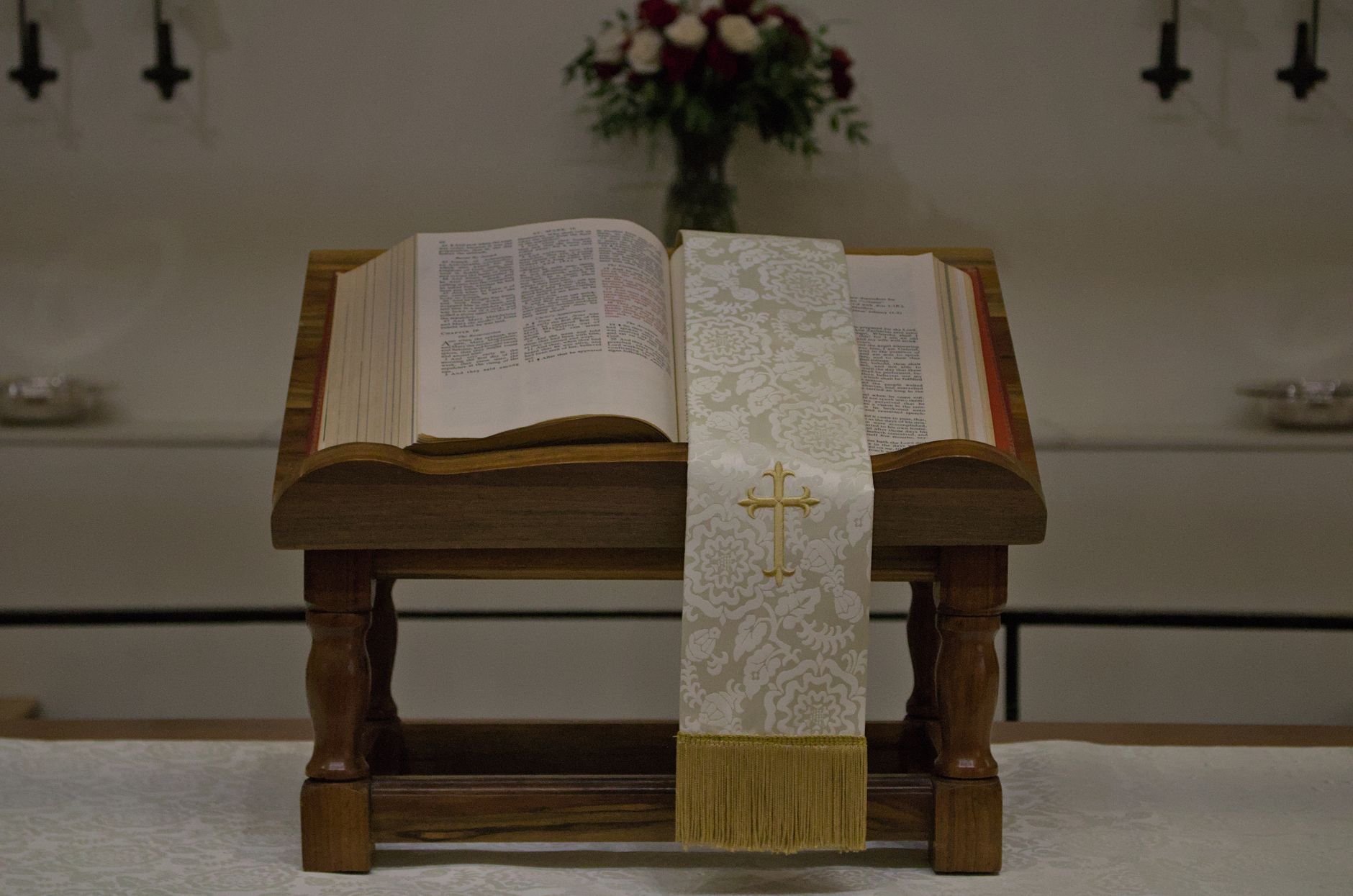
The Christian Bible is a foundational text for millions and serves as a spiritual, moral, and historical guide. It holds deep significance in the lives of believers, but the number of its books may vary between different Christian traditions. This article explores how many books are in the Christian Bible, the differences among versions, and the implications of varying counts.
Understanding the structure and content of the Bible can enhance one’s appreciation of its teachings, its historical context, and its central role in the faith lives of Christians. By offering a full count and examining the nuances of various versions, we can engage more deeply with this sacred text.
How Many Books Are in the Christian Bible?
The total number of books in the Christian Bible is traditionally counted as either 66 or 73, depending on the denomination. Most Protestant Bibles contain 66 books, while Catholic Bibles include 73 books due to the acceptance of additional texts known as the Deuterocanonical books. Understanding this distinction is crucial when discussing the Bible’s composition.
Components of the Christian Bible
The Christian Bible is divided into two main sections: the Old Testament and the New Testament. Each of these sections varies in book count depending on the tradition.
The Old Testament
The Old Testament includes texts sacred to both Judaism and Christianity. The number of books in the Old Testament varies as follows:
- Protestant Old Testament: 39 books
- Catholic Old Testament: 46 books including the Deuterocanonical books
- Eastern Orthodox Old Testament: Typically includes more than 46 books, depending on the specific Orthodox tradition
The additional books in the Catholic Old Testament, such as Tobit, Judith, and Wisdom, are not found in the Protestant version, which adheres closely to the Hebrew Bible. The significance of these texts lies in their teachings, which some Christian traditions consider essential for understanding God’s promise and covenant.
The New Testament
The New Testament is more uniform across Christian denominations, containing 27 books in all major traditions. These texts center on the life, teachings, death, and resurrection of Jesus Christ, as well as the early Christian church. The New Testament books include:
- Four Gospels (Matthew, Mark, Luke, John)
- Historical accounts (Acts of the Apostles)
- Letters or epistles (primarily by Paul)
- The Book of Revelation
Understanding the Deuterocanonical Books
The term “Deuterocanonical” refers to the writings accepted as canonical by the Catholic Church but not included in the Protestant Bible. The inclusion or exclusion of these additional books raises significant theological and historical considerations:
- The Protestant Reformers argued for a return to the Hebrew Bible’s canon, which does not include the Deuterocanonical books.
- Catholics maintain that these books enrich the broader Christian tradition and provide essential insights into faith and morals.
- Eastern Orthodox Churches often include additional writings beyond the Catholic canon, reflecting their unique theological perspectives.
Why the Difference in Book Counts?
The differences in the total book count stem from historical, theological, and cultural contexts. These factors influenced how the Christian Bible was compiled and accepted within different communities.
Historical Context
When the Bible was canonized, varying criteria were used to determine inclusion:
- Authorship: Books written by apostles or their close associates were given priority.
- Usage: Texts that were widely read and used in Christian communities were favored.
- Theological consistency: Writings that aligned with accepted Christian doctrine were more likely to be included.
Theological Implications
Understanding the number of books in the Bible also affects theological interpretations:
- The inclusion of the Deuterocanonical books provides unique moral lessons and spiritual insights.
- Disputed texts may reflect divergent views on issues like salvation, grace, and divine revelation.
- The differences may demonstrate how tradition shapes biblical interpretation, signaling the importance of community and context.
Exploring Different Christian Perspectives
Christian denominations often approach biblical texts with varying emphases, leading to rich discussions on meaning, context, and application:
Protestant Views
Protestants generally emphasize solo scriptura, the belief that scripture alone is the source of authority. Consequently, their focus tends to be on the 66 books, which they consider canonical and sufficient for faith and practice.
Catholic Views
The Catholic Church recognizes both scripture and tradition as sources of authority, resulting in a broader canon that includes the Deuterocanonical books. These texts are integral in catechesis and moral teaching, emphasizing the need for a holistic understanding of faith.
Orthodox Views
Eastern Orthodox traditions view the scriptures through a lens that prioritizes liturgical usage and theological depth. Their acceptances reflect a commitment to both the Old and New Testaments, along with additional texts that enrich the faith narrative.
The Bible in Modern Context
Regardless of the number of books, the Bible continues to serve as a crucial element in the spiritual lives of Christians worldwide. Its impact transcends religious boundaries, appealing to those seeking moral guidance, historical insight, or spiritual sustenance:
- Personal Study: Many believers read and meditate on scripture for personal growth and guidance.
- Community Worship: Churches use biblical texts in sermons and liturgy, underscoring their central role in worship.
- Ethical Foundation: Biblical teachings support ethical frameworks for both individual believers and society as a whole.
Engaging with the Bible: A Practical Exercise
To deepen your connection to the Bible, consider engaging with a text through reflective reading and personal application. Here’s a simple step-by-step exercise:
- Choose a passage that resonates with you, whether from the Old or New Testament.
- Read the passage several times, noting any words or phrases that stand out.
- Reflect on the meaning of the text in its historical and cultural context.
- Consider how the passage applies to your life and faith journey.
- Pray or meditate on the insights gained, seeking wisdom for application.
Conclusion
The total number of books in the Christian Bible ranges from 66 to 73, reflecting significant theological, historical, and community-based choices. Acknowledging these differences enables deeper engagement with the scriptures and fosters understanding among diverse Christian traditions.
As individuals explore their faith through the Bible, they are invited to reflect on its teachings and apply its wisdom to their lives, finding strength and guidance in the process. A practical next step could include selecting a book from either the Old or New Testament for study, allowing its words to speak to your lived experiences.
For those interested in delving deeper into religious topics, explore articles on sacred texts, interfaith understanding, and spiritual growth for further insight.