
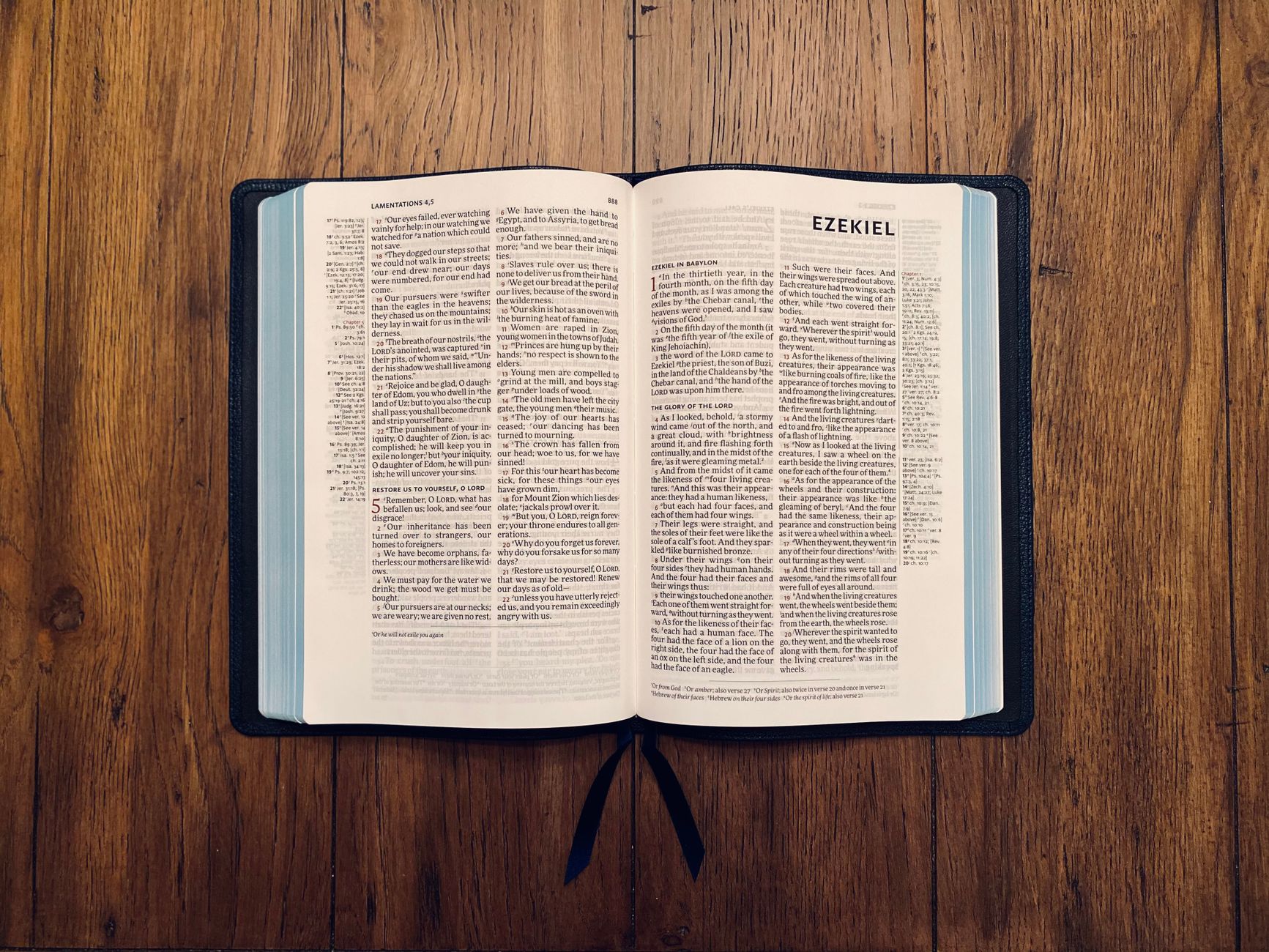
Beginning to read the Bible can be a profound spiritual journey that opens doors to understanding faith, history, and personal growth. For those new to the text or looking to deepen their engagement, determining where to start can feel overwhelming. This guide aims to provide a roadmap for your journey through the Scriptures.
The Bible is a collection of sacred texts central to Christianity, with roots in Judaism. Comprising the Old Testament and the New Testament, it offers a broad spectrum of narratives, teachings, poetry, and prophecy that have shaped religious thought and practice for centuries. Understanding where to start can help you grasp its core messages and how they relate to spiritual and ethical living.
Where Should I Start Reading the Bible?
The best place to start reading the Bible often depends on your background, interests, and spiritual goals. Here are a few valuable options for beginning your reading journey:
- Genesis: The beginning of the Bible, Genesis tells the story of creation, humanity’s early history, and the patriarchs of the faith. It’s a foundational text that sets the stage for understanding God’s relationship with humanity.
- The Gospels: Starting with one of the four Gospels (Matthew, Mark, Luke, or John) can be a great choice for those interested in the life and teachings of Jesus. Each Gospel has its unique perspective on His life, death, and resurrection.
- Psalms: This book contains poetic prayers and hymns that address a vast range of human emotions, from joy to despair. Reading Psalms can be a deeply spiritual experience and a meaningful way to connect with God through prayer.
- Proverbs: For those seeking wisdom, the book of Proverbs offers practical guidance and insights into living a righteous and fulfilling life.
- Letters of Paul: If you are interested in early Christian teachings, starting with the letters (epistles) of Paul, such as Romans or Philippians, can provide insight into the beliefs and struggles of the early church.
The Structure of the Bible
Understanding the structure of the Bible can also enhance your reading experience. Here is a brief overview of its main components:
- Old Testament: This section is primarily based on Jewish scriptures and contains historical accounts, laws, prophecies, and poetry. Key sections include the Torah (the first five books), the Historical Books, the Wisdom Literature, and the Prophets.
- New Testament: Focused on the life and teachings of Jesus and the early Church, the New Testament includes the Gospels, the Acts of the Apostles, the Epistles (letters), and Revelation, a prophetic book.
The Old Testament
The Old Testament, foundational to both Judaism and Christianity, is rich in history and theology. Here’s a closer look at its parts:
- The Pentateuch: Also known as the Torah, these books (Genesis, Exodus, Leviticus, Numbers, Deuteronomy) are essential for understanding creation, God’s covenant with Israel, and the law.
- Historical Books: These tell the history of the Israelite people, including their conquests, kings, and eventual exile. Key narratives provide insight into human behavior and divine guidance.
- Wisdom Literature: This includes books like Job, Ecclesiastes, and Proverbs, exploring deep philosophical questions and offering practical advice on living.
- The Prophets: Divided into Major and Minor Prophets, these texts deliver messages of warning, hope, and the call to justice.
The New Testament
The New Testament connects the life of Jesus with the faith of the early church. Here is a breakdown:
- The Gospels: Each Gospel provides a different perspective on Jesus’ life and ministry. They offer teachings, parables, and accounts of His miracles and sacrifice.
- The Acts of the Apostles: This book traces the early church’s history and the spread of Christianity after Jesus’ ascension, highlighting the work of Apostles like Peter and Paul.
- The Epistles: These letters address various communities and individuals, providing theological insights, moral teachings, and guidance on Christian living.
- Revelation: A complex and symbolic text, Revelation discusses the end times, offering hope and assurance of God’s ultimate victory over evil.
Choosing A Translation
The choice of a Bible translation can significantly impact your understanding. There are various translations, each with its approach to language and interpretation:
- Literal translations: Aim for word-for-word accuracy. Examples include the New American Standard Bible (NASB) and the English Standard Version (ESV).
- Dynamic equivalence: Focus on thought-for-thought translation for readability. The New International Version (NIV) and New Living Translation (NLT) are popular choices.
- Theological perspectives: Some translations reflect specific theological biases. The New World Translation (used by Jehovah’s Witnesses) and the Message (a contemporary paraphrase) may reflect particular doctrine.
Practical Tips for Reading
How you approach your reading can affect your comprehension and engagement with the text. Here are some practical tips:
- Set a regular schedule: Consistency helps in developing a habit. Whether daily or a few times a week, finding a rhythm that works for you is important.
- Use study aids: Consider utilizing a study Bible, commentaries, or devotional guides to deepen your understanding and provide context.
- Take notes: Writing down thoughts, questions, and insights can help you track your spiritual journey and reflections on the text.
- Pray for insight: Many believers find that prayer enhances their reading experience by inviting divine understanding and perspective.
- Join a study group: Discussing the Bible with others can provide new insights and foster community.
Engaging with the Text
As you begin your reading journey, consider how to engage deeper with the Scriptures. Here are a few ways:
- Reflective reading: Take time to meditate on passages. Ask questions such as, “What does this teach me about God?” and “How can I apply this to my life?”
- Memorization: Commit key verses to memory. This practice can help internalize important teachings and provide encouragement during challenging times.
- Creative expression: Engage with the text artistically through writing, drawing, or music. This personalizes your spiritual experience and connects you with the Word on a different level.
Incorporating Prayer and Meditation
Connecting the practice of reading with prayer and meditation enhances spiritual growth. Here are some suggestions:
- Start with prayer: Open your reading with a prayer asking for wisdom and understanding of the Scriptures.
- Set aside time for reflection: After reading, spend a few moments in silence, allowing thoughts and feelings to settle.
- Use guided meditation: Explore meditation techniques that incorporate Scripture, helping to draw deeper connections between text and experience.
Interpreting Scripture
Interpreting the Bible can be complex, given its historical and cultural contexts. Here are some guidelines to consider:
- Context matters: Understand the cultural and historical background of the passage you are reading. This helps in grasping the original meaning and intention.
- Consider genre: Recognize the literary style—be it poetry, narrative, or epistolary—as this can shape how you interpret the message.
- Engage with the community: Seek out diverse perspectives through commentaries or discussions within your faith community. This broadens your understanding and avoids isolation in interpretation.
Choosing Additional Resources
Enhancing your Bible reading with supplemental resources can deepen your understanding. Here are some recommended materials:
- Study Commentaries: Books that provide explanations and interpretations of passages can be invaluable. Look for those by respected biblical scholars.
- Online Resources: Websites and apps such as Bible Gateway or YouVersion include various translations, study tools, and reading plans.
- Devotional Books: These offer daily readings that guide your reflections and prayers in conjunction with Scriptures.
Establishing a Community
Being part of a community can enhance your Bible reading experience. Community involvement enables shared understanding and support:
- Attend church services: Regular attendance at services can provide opportunities for communal worship and for hearing biblical teachings in context.
- Join a Bible study group: These groups facilitate discussions and foster friendships, helping to solidify your understanding and application of Scripture in everyday life.
- Volunteer: Getting involved in service projects can help you apply biblical teachings in concrete ways, reinforcing their relevance.
Understanding Common Challenges
Encountering challenges when reading the Bible is common, but there are ways to navigate them effectively:
- Feeling overwhelmed: Start small; focus on a few verses or a short passage rather than attempting to read large sections at once.
- Doubt about understanding: It’s the norm to have questions. Do not hesitate to seek answers through discussions or study resources.
- Struggles with consistency: If maintaining a reading schedule proves difficult, find accountability partners or integrate reading into pre-existing daily habits.
Reflecting on Your Journey
As you read and reflect on the Bible, consider journaling about your thoughts and experiences. Here are some questions to ponder:
- How has your understanding of faith evolved through your reading?
- What themes or passages resonate with your life experiences?
- In what ways are you encouraged or challenged by the text?
Sharing Insights with Others
Sharing what you’ve learned can enrich both your life and the lives of others. Look for ways to convey the insights gained from your reading:
- Discuss insights with friends or family.
- Volunteer to help lead a group discussion at your church.
- Engage in social media discussions about your readings.
Starting your reading of the Bible can be a transformative experience filled with questions, insights, and personal growth. Whether you choose to begin in Genesis, explore the Gospels, or meditate on the Psalms, the key is to approach the text with an open heart and curiosity. Each reading will bring you closer to understanding your faith and the spiritual truths within the Scriptures.
As you continue this journey, consider how you can incorporate prayer and reflection into your reading practice. This combination can deepen your connection to the text and support your spiritual growth.
To further explore aspects of faith and spirituality, you might find value in these related articles: Bible Verses About Eating Together and Prayers for Fasting. Together, they can enrich your spiritual journey.