
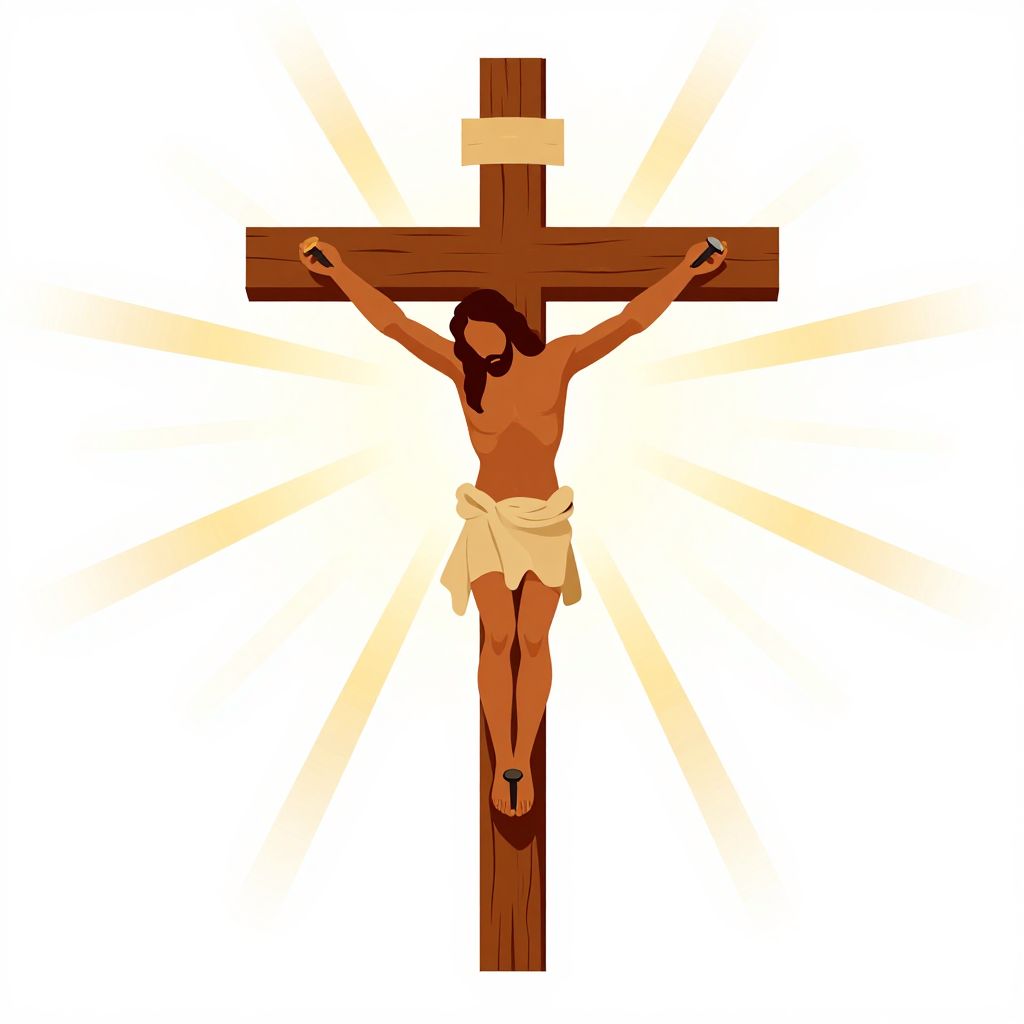
Have you ever contemplated the depths of sacrifice that Jesus made for humanity? The act of Jesus being nailed to the cross stands at the very core of the Christian faith, echoing through history as a signal of hope, redemption, and love. Understanding this pivotal moment reveals God’s desire to bridge the divide created by sin, emphasizing His infinite love for us.
In this article, we will explore the significance of Jesus being nailed to the cross, grounded in Scripture and designed to illuminate the path of faith. This event is not merely a historical record; it carries profound meaning for our daily lives and spiritual journeys.
Jesus Is Nailed To The Cross?
Jesus was nailed to the cross as a part of the process of crucifixion, fulfilling prophecy and providing atonement for sin. This brutal act serves as the central event in Christian salvation history, demonstrating both Christ’s obedience to the Father’s will and His immense love for humanity.
Understanding the Cross
The cross was a tool of execution in the Roman Empire, designed to inflict maximum pain and shame. Jesus’ crucifixion took place on a hill known as Golgotha, which means “the place of the skull.” This grotesque scene illustrates not just physical suffering but also the spiritual weight of sin he bore.
In Isaiah 53:5, we find that “He was pierced for our transgressions, he was crushed for our iniquities.” This verse reveals the prophecy that the Messiah would suffer for the sins of others. When Jesus was nailed to the cross, He fulfilled this prophecy, providing a way for humanity to be reconciled to God.
The Significance of the Nails
The nails that pierced Jesus’ hands and feet represent the reality of human sin, and they were driven by those who rejected Him. John 20:25 highlights this when Thomas says, “Unless I see the nail marks in His hands…” Those marks serve as a reminder of the cost of our salvation.
Each nail driven into Jesus not only inflicted pain but also carried the weight of our transgressions. Reflect on how this act of suffering reveals the seriousness of sin? It emphasizes that every sin separates us from God and requires a profound sacrifice to bridge that gap.
Jesus’ Obedience
Jesus willingly went to the cross out of obedience. In Philippians 2:8, it states, “And being found in appearance as a man, he humbled himself by becoming obedient to death—even death on a cross!” His obedience highlights God’s plan for redemption, demonstrating His commitment to fulfilling the Father’s will.
This obedience challenges believers today to reflect on their own lives. Are you willing to embrace God’s will, even when it leads through difficult paths? Jesus’ example serves as a source of strength during our struggles.
Theological Implications
The crucifixion holds immense theological significance beyond physical sacrifice. It represents the concept of atonement, where Jesus took upon Himself the sins of the world. In 1 John 2:2, we read, “He is the atoning sacrifice for our sins, and not only for ours but also for the sins of the whole world.”
Through His death, Jesus satisfied God’s justice by paying the penalty for sin, allowing believers to be seen as righteous before God. This profound truth encourages Christians to embrace their identity as forgiven and redeemed.
The Cross and Forgiveness
The message of the cross is intrinsically linked to the theme of forgiveness. In Luke 23:34, Jesus cried out, “Father, forgive them, for they do not know what they are doing.” This demonstration of compassion, even towards His tormentors, highlights the boundless grace available to all.
Living in Forgiveness
Forgiveness is not merely for our own relief; it reflects God’s heart toward us and others. Ephesians 4:32 calls us to “be kind and compassionate to one another, forgiving each other, just as in Christ God forgave you.”
How can you apply this truth in your relationships? Is there someone who needs your grace today? Fully embracing Christ’s forgiveness empowers believers to extend the same mercy to those who have wronged them.
The Cross as a Model for Life
The cross serves as a model for how Christians are called to live. In Mark 8:34, Jesus invites us to “take up our cross and follow me.” This call emphasizes the sacrificial nature of discipleship.
Consider the implications of following Jesus daily. Are you willing to deny yourself for the sake of serving others? The cross shapes our understanding of love, asking us to prioritize the needs of others above our own.
Jesus’ Final Words
As Jesus hung on the cross, His final words were laden with meaning and purpose. “It is finished,” declared in John 19:30, marked the completion of His mission to redeem humanity. Through His sacrificial death, He provided the means for reconciliation with God.
The Depth of Sacrifice
This phrase signifies that the price for sin was fully paid. The veil in the temple tore in two, as recorded in Matthew 27:51, symbolizing the removal of separation between God and man. Believers now have direct access to God because of what Jesus accomplished on the cross.
What does this truth mean for your prayer life? Access to God through Christ opens the door for intimacy and genuine conversation with the Father.
The Resurrection Connection
While the cross signifies death, it also sets the stage for the glorious resurrection. The hope found in Jesus’ defeat of the grave and the validity of his sacrifice is echoed in Romans 6:4, “We were therefore buried with him through baptism into death in order that, just as Christ was raised from the dead… we too may live a new life.”
This new life is a call to believers to live in the reality of His resurrection, free from the bondage of sin. How can this truth challenge you to rise above struggles in your own life?
Hope Through the Cross
The message of the cross is ultimately one of hope. Jesus’ crucifixion represents the culmination of God’s redemptive plan. In His death, we find assurance of salvation and eternal life available to all who believe.
The Call to Faith
In John 3:16, we see the heart of God revealed: “For God so loved the world that he gave his one and only Son, that whoever believes in him shall not perish but have eternal life.” This invitation transcends time and is extended to everyone.
Are you ready to respond to this call? Profession of faith leads to transformation, allowing you to experience the fullness of life that God intends for you.
Sharing the Hope
Understanding the significance of the crucifixion fuels the believer’s desire to share hope with others. Matthew 28:19 calls Christians to “go therefore and make disciples of all nations.” The message of the cross is worth sharing, offering life-changing hope to those who feel lost and isolated.
How will you share the hope of Jesus with someone this week? Consider making a commitment to pray for those in your circle who need this message desperately.
The Cross and Community
Jesus being nailed to the cross not only invites personal reflection but emphasizes the importance of community within the body of Christ. The early church gathered around the truth of the cross, sharing their lives and faith.
The Power of Unity
In Acts 2:42-47, believers devoted themselves to fellowship, breaking bread, and prayer. The cross unites believers from diverse backgrounds and cultures, creating a family rooted in Christ’s love.
How can you actively contribute to your faith community? Engaging in service and support deepens relationships and enriches collective faith.
Encouragement During Suffering
Experiencing difficulties can be daunting, yet it emphasizes the necessity of community. In Galatians 6:2, Paul writes, “Carry each other’s burdens, and in this way, you will fulfill the law of Christ.”
Providing support for one another echoes the love demonstrated on the cross. When we bear each other’s burdens, we mirror the sacrifice Jesus made. Who can you extend a helping hand to this week?
Living in Light of the Cross
As Christians dwell on the significance of Jesus being nailed to the cross, it transforms everyday living. The awareness of this sacrifice prompts gratitude and inspires righteous living.
A Life of Worship
Living in light of the cross cultivates a life of worship. Romans 12:1 calls believers to present their bodies as living sacrifices, holy and pleasing to God. This act of daily surrender becomes a tangible expression of gratitude.
How do you make your life a living sacrifice? Consider all aspects of your life—relationships, work, and leisure—and ask God how He can be glorified in each area.
A Legacy of Love
The cross challenges believers to leave a legacy of love. John 15:13 reminds us that “greater love has no one than this: to lay down one’s life for one’s friends.”
What kind of legacy are you building? Reflect on how your actions today can influence generations to come, showcasing Christ’s love to those around you.
As you meditate on the truth of Jesus being nailed to the cross, let it fuel your faith and encourage your daily walk. This event is not just a piece of history; it is alive and transformative, calling you to respond in love and commitment.
Explore more faith-based topics and articles to deepen your understanding of the Scriptures and grow in your walk with Christ. Learn about Bible verses about the crucifixion and the loving character of Christ in Bible verses about Jesus.