
The phrase “Jesus Is the Reason for the Season” resonates deeply within Christian communities, especially during the Christmas season. It reflects the central belief that the celebration of Christmas is fundamentally about the birth of Jesus Christ and the significance of His presence in the world. This article explores the meaning behind this phrase and how it shapes the spiritual practices and celebrations of many believers.
As we delve into this topic, we will examine the historical context of Christmas, how religious imagery is used to convey its message, and ways individuals can reflect on these teachings personally and communally. Understanding this phrase better prepares us for engaging with the season’s deeper meanings and inspires us to cultivate a spirit of gratitude, joy, and peace.
What Does “Jesus Is the Reason for the Season” Mean?
The phrase “Jesus Is the Reason for the Season” serves as a reminder of the focus of the Christmas holiday. It emphasizes that the essence of Christmas is not found in material gifts or festive celebrations but in the birth of Jesus Christ. This statement is both a theological assertion and a cultural critique, calling believers to redirect their attention away from commercialism and back to their faith.
This message is deeply rooted in the Christian tradition and is often highlighted in church services, Christmas events, and family gatherings. It encapsulates the principle that Christ’s birth brought hope, joy, and salvation to humanity. For many, this is a time for reflection on God’s love and the gift of Jesus, encouraging adherents to incorporate spiritual practices that honor this narrative.
The Historical Context of Christmas
The celebration of Christmas has a rich history intertwined with various traditions and cultures. The exact date of Jesus’ birth is not specified in the Bible; however, December 25 was chosen by early Christians to coincide with pagan winter solstice festivals. This strategic choice was made, in part, to facilitate the transition from paganism to Christianity.
Over centuries, Christmas has absorbed a variety of customs from different cultures, resulting in a diverse array of practices that complement its core Christian significance. Decorations, gift-giving, and festive meals have become associated with the celebration, often overshadowing its spiritual foundation. Therefore, understanding the historical context provides insight into how certain practices evolved while reminding believers to refocus on their faith during this season.
The Role of Nativity Scenes
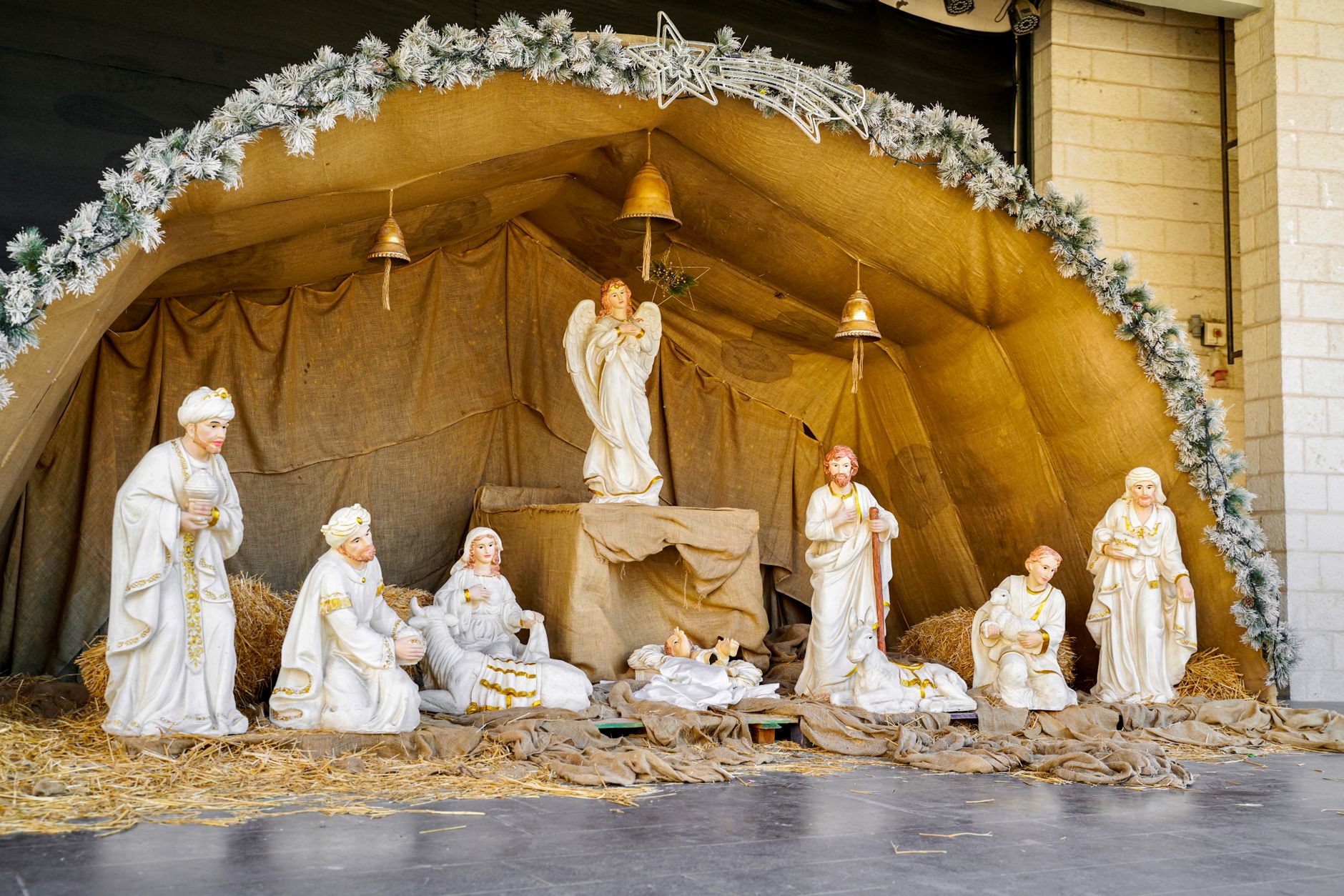
One of the most iconic symbols of Christmas is the nativity scene, depicting the holy family of Jesus, Mary, and Joseph in the stable. These images serve as powerful reminders of the humble beginnings of Christ’s life on Earth. Through the nativity scene, families can reflect on the significance of Jesus’ birth in relation to their own faith journeys.
Nativity scenes can vary widely in representation, with different cultures adding unique elements that reflect their traditions. Regardless of these variations, the underlying message remains consistent: Jesus Christ represents the incarnation of God’s love and the promise of hope and redemption.
Christmas Carols and Spiritual Reflection
The singing of Christmas carols is another cherished tradition during the holiday season. Many carols directly recount the story of Jesus’ birth, speaking to the joy and significance surrounding it. Songs such as “O Holy Night” and “Silent Night” remind congregants of the spiritual depth of the season and encourage them to reflect on their personal connection to Christ.
Listening to or singing carols offers opportunities for meditation and prayer, allowing believers to cultivate a deeper understanding of what it means for Jesus to be the reason for the season. Engaging with these musical traditions can inspire acts of kindness, generosity, and a desire to share the Gospel message with others.
Spiritual Practices During the Christmas Season
As believers focus on “Jesus Is the Reason for the Season,” many engage in various spiritual practices that enrich their understanding of the holiday. These practices foster a sense of community and personal connection to the message of Jesus’s birth. Below are some popular spiritual activities that align with this theme:
- Advent Observances: Advent is a season of preparation leading up to Christmas. Many Christians observe Advent by lighting candles each week and reflecting on the messages of hope, peace, joy, and love, which correspond to the four Sundays leading up to Christmas.
- Family Devotions: Sharing scripture readings and prayers as a family during the Advent season can help reinforce the significance of Christmas. Many families choose to read passages from the Bible that recount the birth of Jesus and discuss their meanings.
- Acts of Service: Following the example of Christ’s love, many churches and communities organize charitable events or ask families to volunteer together. These acts serve as reminders of the importance of giving and serve to embody the teachings of Jesus.
- Prayer: Intentionally setting aside time for prayer throughout the season encourages believers to reflect on their faith and relationship with God. Praying for peace, hope, and joy can deepen understanding of the Christmas message.
Challenges of Commercialization
Amid the excitement of the holiday season, many Christians face the challenge of maintaining focus on the spiritual significance of Christmas amid rampant commercialism. The emphasis on gifts, decorations, and parties can distract from the core message of Jesus. As the phrase “Jesus Is the Reason for the Season” suggests, it is crucial to counter this trend with a heartfelt commitment to the spiritual aspects of the season.
Believers may find it helpful to establish boundaries regarding their participation in commercial activities. For instance, they can choose to limit the amount of time and resources spent on buying gifts or elaborate decorations and instead prioritize experiences that foster fellowship, worship, and reflection.
Conclusion: Embracing the True Meaning of Christmas
Understanding the phrase “Jesus Is the Reason for the Season” provides an opportunity for spiritual renewal and deeper engagement during the Christmas season. By emphasizing the importance of faith, community, and personal devotion, believers can navigate the holiday with a focus on what truly matters—celebrating the birth of Jesus Christ.
As you go through this season, consider reflecting on the practices and traditions that resonate with you. You may ask yourself how you can encourage others to join you in reflecting on the significance of this holiday. Engaging with your community, attending church services, and participating in activities that honor Jesus’ birth can help you embrace the season’s authentic meaning.
To continue exploring related topics, consider reading articles about Spiritual Practices for the Advent Season, The Significance of Nativity Scenes, and Understanding Christmas Carols and Their Meanings.