
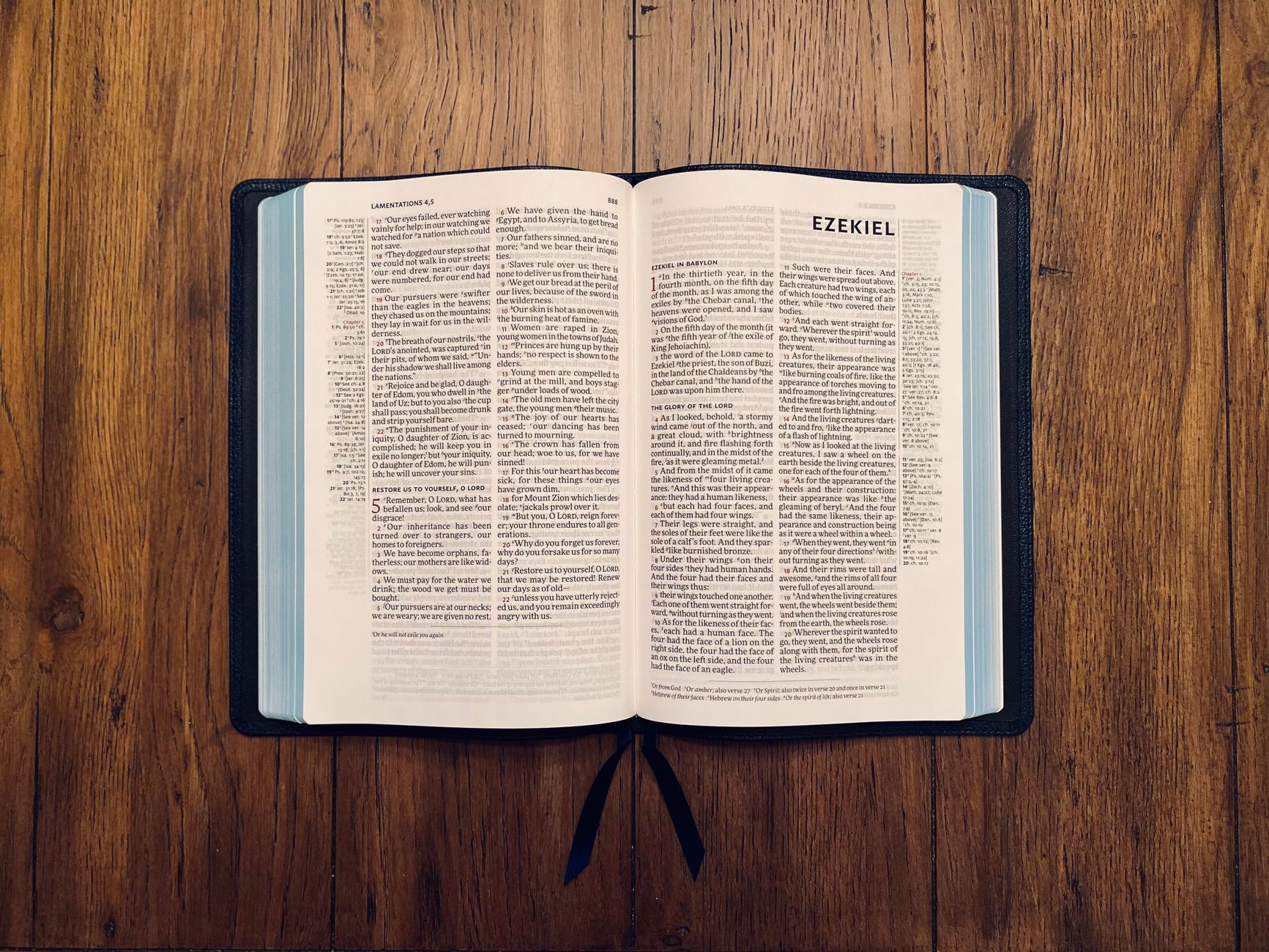
The intent of this article is to help women who may be seeking guidance on where to begin their reading of the Bible. The Bible is a sacred text in Christianity and is often seen as a foundational document for understanding faith and spirituality. For many women, starting to read the Bible can be both exciting and daunting, given its complexity and depth.
This article will explore various perspectives on where a woman can start her journey through the Bible, offering insights that cater to both new readers and those returning to scripture after some time. It will also highlight important themes, books, and passages that may resonate particularly with women’s experiences, providing a supportive framework for engaging with the text.
Where Should a Woman Start Reading the Bible?
A fruitful approach to starting your Bible reading is to begin with books and passages that are accessible and relevant. Many suggest starting with the New Testament, particularly the Gospels, which narrate the life and teachings of Jesus Christ. Specifically, you might want to begin with the following:
- The Gospel of John: This book emphasizes the divinity of Jesus and offers profound insights into His love and teachings.
- The Book of Ruth: A beautiful story of loyalty, faith, and God’s providence, which many women find inspiring.
- The Book of Proverbs: Full of wisdom and practical advice which can speak directly to women’s lives and struggles.
Starting with these selections allows you to engage with core Christian teachings while also highlighting themes that may resonate deeply with women. Each of these books offers different perspectives and lessons that can support your spiritual journey.
Understanding Context and Structure
Before diving into the text, it can be helpful to understand the structure of the Bible. The Bible is divided into two main sections: the Old Testament and the New Testament.
- Old Testament: Primarily contains texts sacred in both Judaism and Christianity, encompassing creation stories, laws, prophecies, and poetry.
- New Testament: Focuses on the life of Jesus, the early Church, letters from apostles, and the prophetic Book of Revelation.
Familiarizing yourself with this structure can guide you in selecting passages and books that align with your interests and spiritual needs.
Reading for Spiritual Growth
Approaching Bible reading with the intent to grow spiritually is crucial. Here are some considerations and practices to make the experience more enriching:
- Pray Before Reading: Many find it helpful to begin their reading sessions with a short prayer, asking for guidance and understanding as they engage with the Scriptures.
- Choose a Translation: Selecting an accessible translation, such as the New International Version (NIV) or the English Standard Version (ESV), can help clarify difficult passages.
- Journal Your Thoughts: Writing your reflections can deepen your understanding and provide a means to track your spiritual journey.
The Importance of Community
Engaging with a community can enhance your understanding of the Bible. Consider the following options:
- Join a Bible Study Group: Many churches offer women’s Bible study groups which provide a space for discussion and shared insights.
- Online Resources: Numerous websites and apps provide daily readings, reflections, and study guides tailored for women.
- Find a Mentor: Seeking guidance from an experienced Bible reader can foster a deeper understanding and offer personalized insights.
Reflecting on Key Themes
As you read, consider the recurring themes within the Bible that may particularly resonate with women:
- Faith and Trust: Many stories illustrate the importance of faith in God, including women like Sarah, Hannah, and Mary.
- Love and Compassion: Jesus’ teachings emphasize love, compassion, and service, core tenets that can inspire ethical living.
- Empowerment and Identity: Various women in the Bible, like Deborah and Esther, exemplify strength and leadership, serving as role models.
Encouragement to Continue Exploring
While this initial guidance offers a pathway, remember that the Bible is vast and layered. It is essential to remain open as you explore its teachings:
- Commit to Regular Reading: Establishing a routine can help you deepen your connection to the text.
- Engage with Different Genres: The Bible encompasses history, poetry, prophecy, and letters, so explore various styles and genres to enrich your understanding.
- Ask Questions: Reflect on what you read; consider how the scripture applies to your life and the world around you.
Exploring the Old Testament
If you feel drawn to the Old Testament, there are specific books that women often find empowering and relevant:
- Esther: The story of a woman’s bravery and her decisive actions that lead to saving her people.
- Psalms: A collection of prayers and hymns that express the full range of human emotion, including joy, sorrow, and gratitude.
By beginning with Esther or selecting passages from Psalms, you can identify themes of strength and vulnerability that resonate in women’s experiences today.
Incorporating Prayer and Meditation
Many women find that integrating prayer into their reading deepens their spiritual experience. Consider the following methods:
- Contemplative Prayer: Reflect on a specific passage and allow your heart and mind to engage with its meaning.
- Scripture Memorization: Committing verses to memory can allow you to carry wisdom with you throughout your day.
These practices can complement your reading and make scripture more meaningful in your daily life.
Balancing Daily Life and Scripture Reading
Finding time to read the Bible amidst a busy schedule can be challenging but rewarding. Here are some strategies to help incorporate scripture into your daily life:
- Set Realistic Goals: Rather than aiming for lengthy sessions, start with just a few verses each day.
- Utilize Downtime: Use moments during your commute or breaks to read and reflect on a short passage.
- Combine Family and Faith: Encourage family discussions around scripture, making it a communal practice.
Final Thoughts on Your Bible Journey
Beginning your Bible reading journey as a woman can be transformative. It’s important to be patient with yourself as you engage with the text, recognizing that understanding often unfolds gradually over time.
Your reading may spark questions and curiosity that expand your spiritual life, and the insights you gain can contribute significantly to your personal growth and understanding of faith.
Consider taking a moment for reflection: What themes or stories resonate with you? How can you apply these lessons in your life? Engaging with these questions can enrich your journey.
For further guidance, you may find it helpful to explore Bible verses about food and prayers for food that connect with daily life and the practical applications of scripture.