
There’s nothing quite like the aroma of freshly baked Kaiser rolls wafting through your kitchen. These golden-brown rolls, with their lightly crispy crust and soft, airy interior, are the perfect accompaniment to any meal or sandwich. Their unique shape and scoring not only add to their charm but also allow them to hold toppings beautifully. Making Kaiser rolls at home is an experience you won’t forget, as the end result is a delightful balance of texture and flavor that store-bought rolls simply can’t match.
Why You’ll Love This Recipe
This recipe offers a delightful blend of taste and texture that will elevate your meals.
- Perfect for sandwiches or as a dinner roll.
- Fun and satisfying to make from scratch.
- Customize the toppings to your preference.
- Freshly baked rolls that save you trips to the store.
- Easy enough for novice bakers to tackle.
My Experience Making This Recipe
When I first attempted these Kaiser rolls, I was surprised at how simple the process was. Watching the dough rise and transform into beautiful rolls was incredibly satisfying.
My family couldn’t resist diving into the warm rolls straight out of the oven. The crisp texture and soft center made them a hit at dinner.
Recipe Overview
- Recipe Name: Kaiser Roll
- Servings: 12 rolls
- Prep Time: 20 minutes
- Cook Time: 25 minutes
- Total Time: 2 hours (including rising time)
- Course: Bread
- Cuisine: Austrian
- Calories per Serving: 180
Equipment You Will Need
- Mixing bowl
- Wooden spoon
- Dough scraper
- Baking sheet
- Parchment paper
- Kitchen towel
- Sharp knife or lame
Ingredients for Kaiser Roll
- 4 cups all-purpose flour
- 1 ½ cups warm water (about 110°F)
- 2 tablespoons granulated sugar
- 2 teaspoons salt
- 2 teaspoons active dry yeast
- 2 tablespoons vegetable oil
- 2 tablespoons cornmeal (for dusting)
Ingredient Notes and Substitutions
- All-purpose flour: Provides a good structure for the rolls. You can substitute with bread flour for a chewier texture.
- Warm water: Activates the yeast. Any lukewarm liquid will suffice, such as milk.
- Granulated sugar: Helps activate the yeast and adds sweetness. Brown sugar can work as a substitute.
- Active dry yeast: Essential for the rise. If using instant yeast, reduce the amount by half.
- Vegetable oil: Adds moisture and flavor. Olive oil or melted butter can be used instead.
How to Make Kaiser Roll
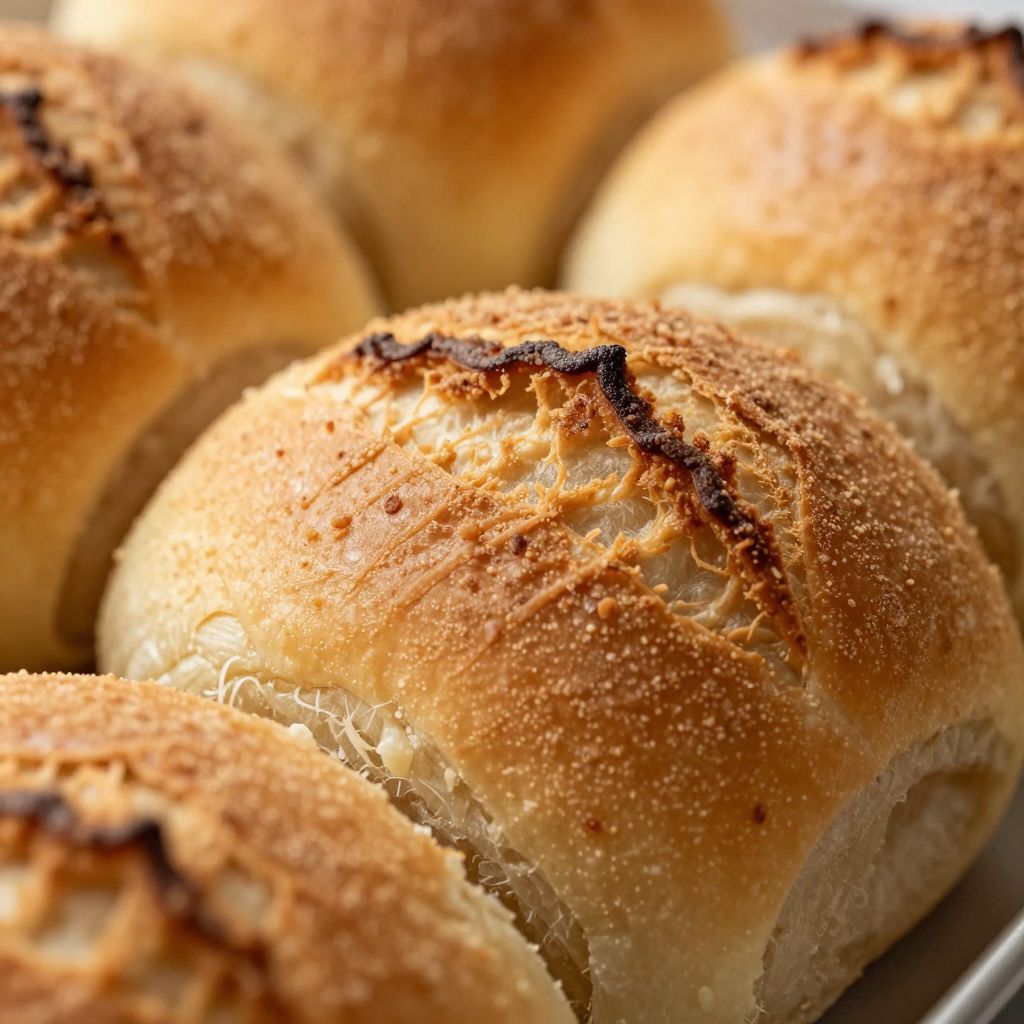
Step 1: Proof the Yeast
Start by combining the warm water, sugar, and yeast in a small bowl. Let the mixture sit for about 5 minutes until it becomes frothy, indicating the yeast is active.
Step 2: Combine the Dry Ingredients
In a large mixing bowl, whisk together the flour and salt. This step ensures even distribution of the salt throughout the flour.
Step 3: Mix the Dough
Add the frothy yeast mixture and oil to the flour mixture. Stir until the dough begins to come together.
Step 4: Knead the Dough
Transfer the dough to a floured surface and knead for about 8-10 minutes. Kneading develops gluten, giving the rolls a pleasant texture.
Step 5: First Rise
Place the kneaded dough into a greased bowl, cover it with a kitchen towel, and let it rise in a warm area for about 1 hour or until doubled in size.
Step 6: Shape the Rolls
Punch down the dough, then divide it into 12 equal pieces. Shape each piece into a round roll, tucking the edges underneath for a smooth top.
Step 7: Second Rise
Place the rolls on a baking sheet lined with parchment paper. Cover with a towel and let them rise for another 30 minutes.
Step 8: Preheat and Score
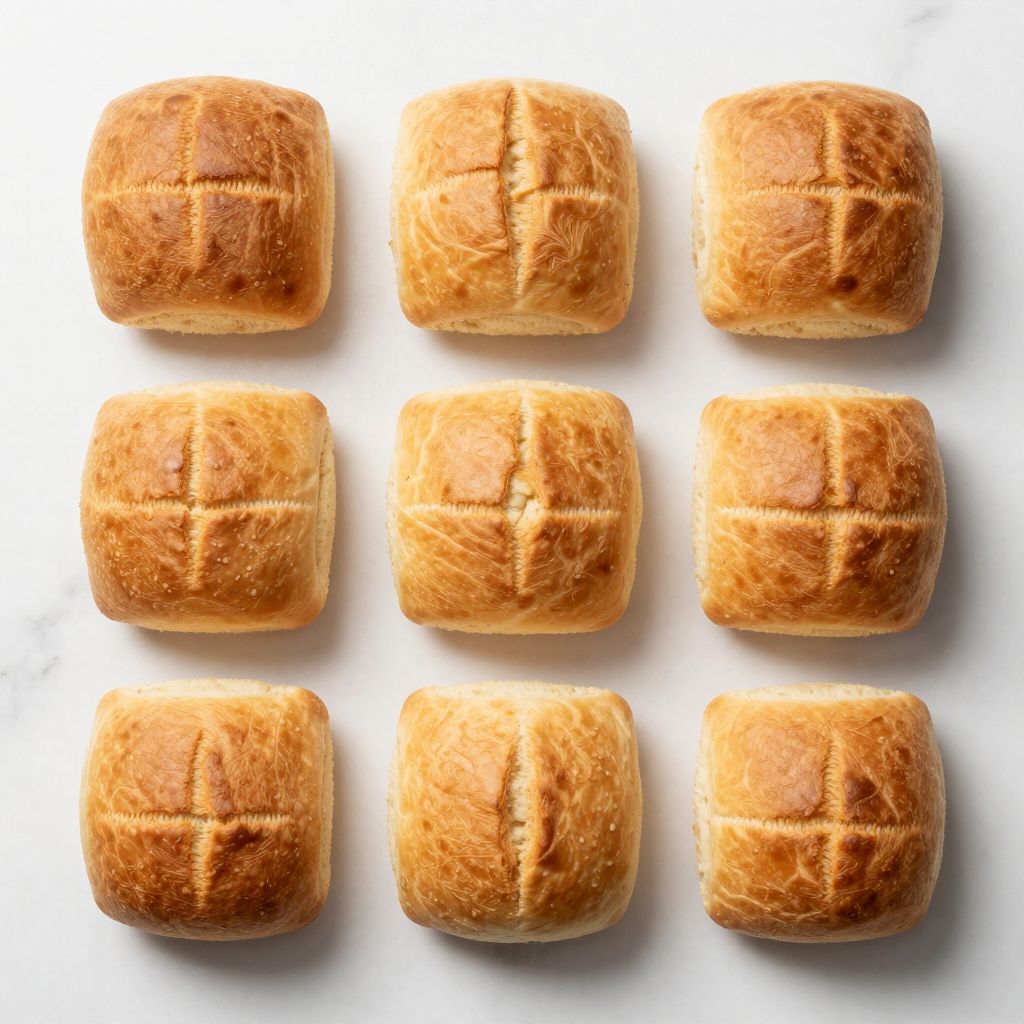
Preheat your oven to 425°F (220°C). Just before baking, use a sharp knife to score a cross or spiral pattern on top of each roll, which helps with expansion during baking.
Pro Tip: If you want a shiny crust, brush the rolls with an egg wash before baking.
Tips for the Best Kaiser Roll
- Ensure your yeast is fresh for the best rise.
- Don’t skip the second rise; it’s crucial for that airy texture.
- Use a kitchen thermometer for accurate water temperature.
- Experiment with different toppings like sesame seeds for added flavor.
- Keep the rolls covered during rising to prevent drying out.
Common Mistakes to Avoid
- Using hot water can kill the yeast. Always aim for warm.
- Skipping kneading leads to dense rolls without proper structure.
- Not letting the dough rise enough results in flat rolls.
- Overbaking will dry out your rolls, so watch the time closely.
Serving Suggestions
These Kaiser rolls shine alongside any meal or as part of a sandwich.
- Filled with deli meats and cheeses for a classic sandwich.
- Served alongside soups and salads for a hearty meal.
- Used to make sliders for parties or gatherings.
- Enjoyed with butter and jam for breakfast.
Variations to Try
- Add herbs like rosemary or thyme to the dough for a flavor twist.
- Incorporate cheese, such as parmesan, into the dough for richness.
- Try using whole wheat flour for a heartier roll.
- Mix seeds like poppy or sesame into your dough or on top for texture.
Dietary Adaptations
- Gluten-free: Use a gluten-free flour blend; the texture will vary.
- Dairy-free: This recipe is naturally dairy-free as written.
- Vegan: Substitute the egg wash with plant-based milk for brushing.
- Low-carb/keto: Explore almond flour or coconut flour alternatives.
Storage and Reheating
Refrigerator
Store leftover rolls in an airtight container for up to 3 days.
- Reheat in a toaster oven for best results.
- Wrap them in foil before placing in the oven to warm.
Freezer
Kaiser rolls can be frozen for up to 2 months.
- Place them in a freezer bag once cooled completely.
- Label the bag with the date for easy identification.
Reheating
To reheat from frozen, let the rolls thaw at room temperature before warming them up.
- Preheat the oven to 350°F (175°C) and bake for about 10-15 minutes.
Nutrition Information
| Nutrient | Amount |
|---|---|
| Calories | 180 |
| Total Fat | 5g |
| Saturated Fat | 0.5g |
| Carbohydrates | 30g |
| Fiber | 1g |
| Sugar | 1g |
| Protein | 6g |
| Sodium | 180mg |
| Cholesterol | 0mg |
Please note that nutrition values might vary based on exact measurements and specific brands used.
Frequently Asked Questions
Can I make these rolls ahead of time?
Yes, you can prepare the dough and let it rise, then refrigerate it overnight before shaping and baking.
What if my dough doesn’t rise?
Check the yeast expiration date; if it’s old, it may not activate correctly.
How do I store leftover rolls?
Keep them in an airtight container in the refrigerator for up to 3 days.
Can I freeze my Kaiser rolls?
Yes, they freeze well; just make sure to wrap them properly to prevent freezer burn.
What makes a Kaiser roll different?
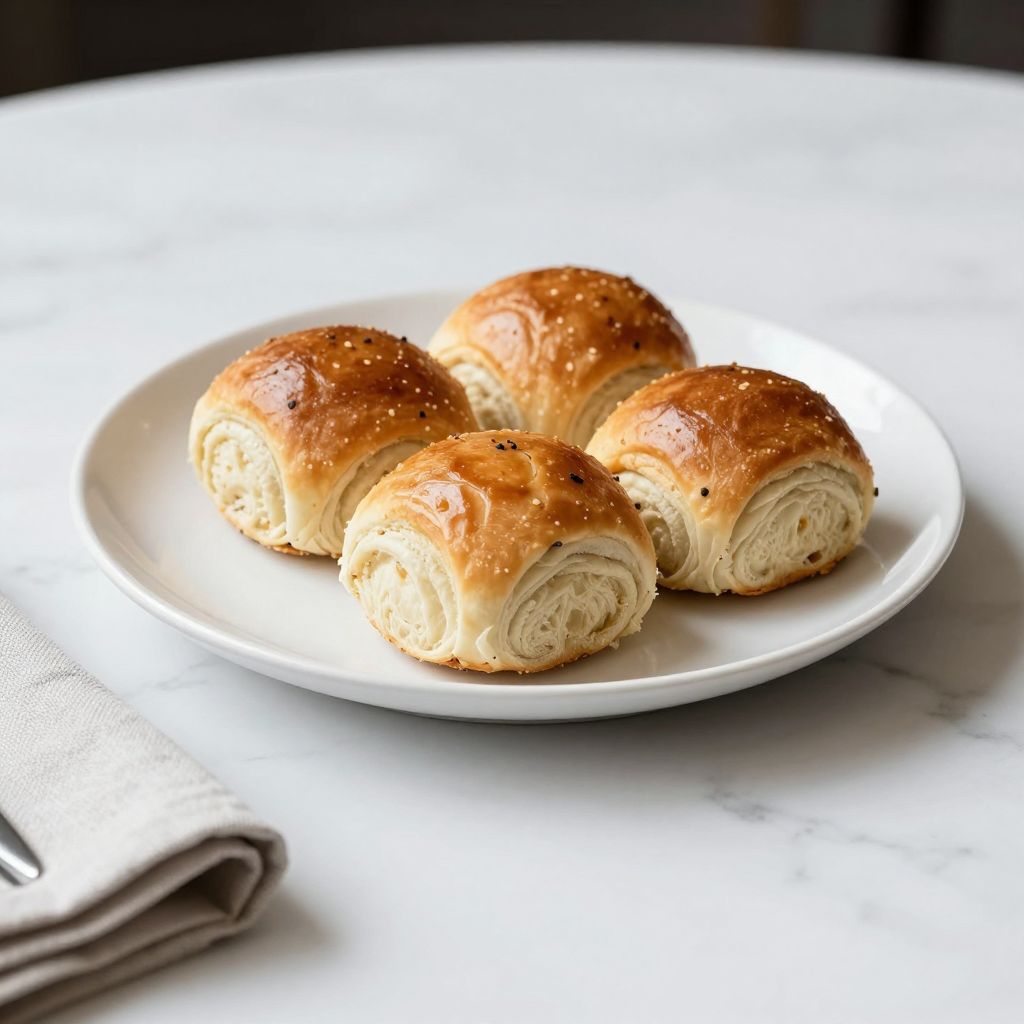
The unique scoring and shape give Kaiser rolls their characteristic texture and appearance.
Final Thoughts
Making your own Kaiser rolls is a rewarding experience that brings warmth and comfort into your home. I encourage you to try this recipe and enjoy the satisfaction of creating something so delicious from scratch.
For more inspiration, check out these Bible verses about cooking or explore Bible verses about food for some culinary motivation.
Kaiser Roll
Ingredients
Equipment
Method
- Start by combining the warm water, sugar, and yeast in a small bowl. Let sit for 5 minutes until frothy.
- In a large bowl, whisk together flour and salt.
- Add the yeast mixture and oil to the dry ingredients. Stir until a dough forms.
- Transfer the dough to a floured surface and knead for 8-10 minutes.
- Place the dough in a greased bowl, cover with a towel, and let rise in a warm place for 1 hour or until doubled.
- Punch down the dough, divide into 12 equal pieces, shape into rounds, and tuck edges underneath.
- Arrange on a baking sheet lined with parchment paper, cover, and let rise for 30 minutes.
- Preheat the oven to 425°F (220°C).
- Score the tops of each roll with a sharp knife or lame.
- Bake for 25 minutes until golden brown.
- Optional: Brush with egg wash for a shiny crust.