
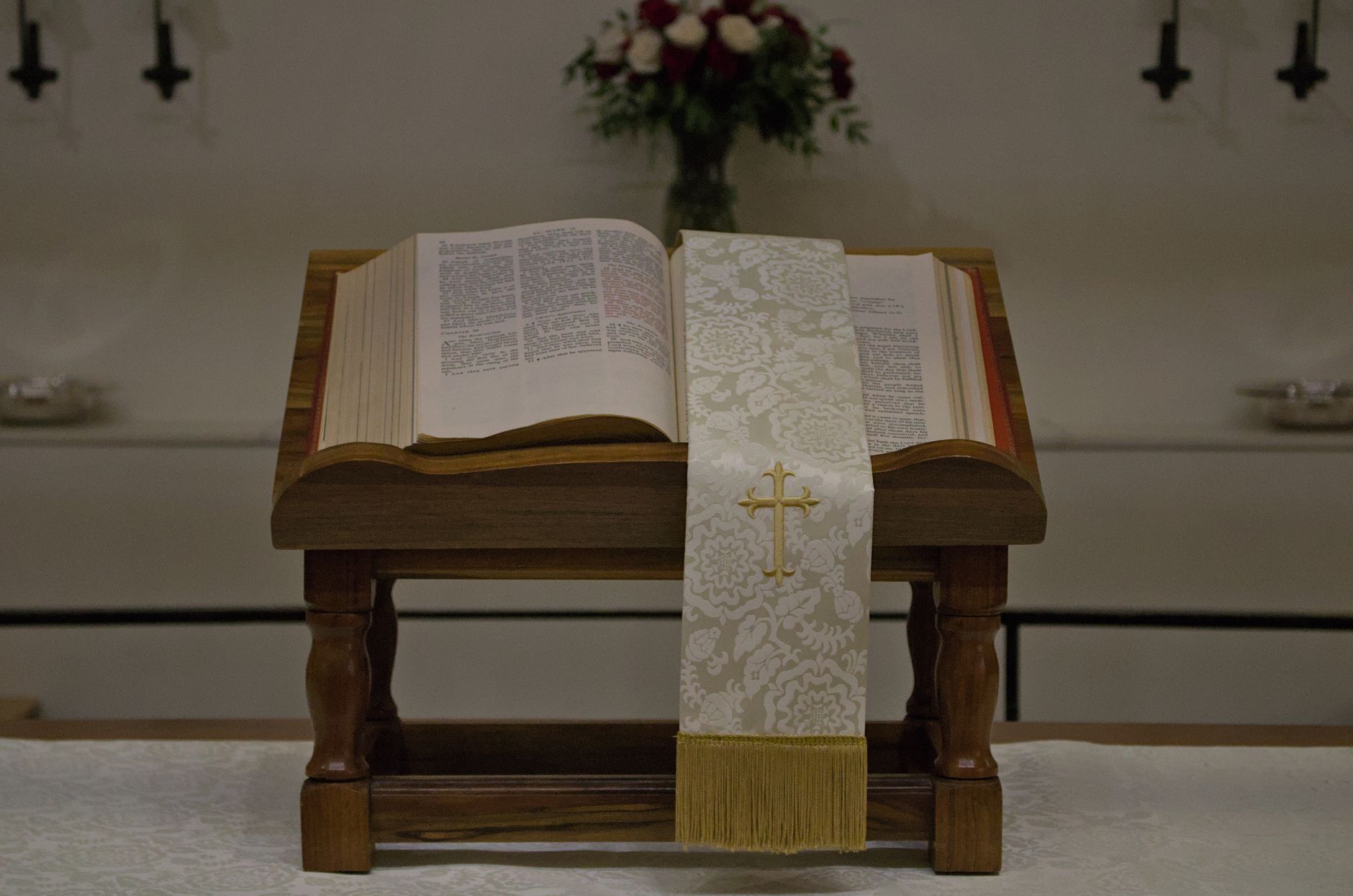
The Book of Wisdom, also referred to simply as Wisdom, is one of the deuterocanonical books found in some versions of the Bible. It is a text rich in theological insight, poetic language, and moral teachings, providing guidance on how to live a virtuous life aligned with divine wisdom. In this article, we will explore the meaning, context, and significance of the Book of Wisdom within the broader framework of biblical literature.
Understanding the Book of Wisdom is essential for grasping its role in the Jewish and Christian sacred texts. It not only offers philosophical reflections but also serves to bridge old and new covenant themes, making it a profound document for spiritual growth and ethical considerations.
What Is the Book of Wisdom in the Bible?
The Book of Wisdom is traditionally attributed to Solomon, although scholarly consensus believes it was composed in the first or second century BCE in Alexandria, Egypt. The book is written in Greek and is primarily noted for its rich literary style, which includes poetic passages and philosophical discourse.
Wisdom is divided into three main sections: a prologue, a series of reflections on the nature of wisdom, and a meditation on God’s providence and justice. Throughout these sections, the book highlights key religious and moral themes, encouraging its readers to seek wisdom and live in accordance with God’s will.
Historical Context of the Book of Wisdom
To fully appreciate the Book of Wisdom, it is crucial to situate it within its historical and cultural context. The text emerges during a time when Jewish communities were interacting significantly with Hellenistic culture. This interaction is reflected in the philosophical language and themes found throughout the book, especially as it grapples with the nature of divine wisdom.
During this period, the Jewish people were experiencing a dynamic shift in how they understood their faith amidst the influence of Greek philosophy. The Book of Wisdom presents a response to these changes, articulating a theology that upholds the sovereignty and wisdom of God while encouraging ethical living among believers.
Literary Structure and Themes
Understanding the literary structure and main themes of the Book of Wisdom can deepen one’s insight into its teachings. The book can be seen as a poetic exploration of life, morality, and spiritual wisdom, often expressing the contrast between the wise and the foolish.
- The Pursuit of Wisdom: One of the primary themes is the pursuit of wisdom, which is depicted as a divine attribute. Wisdom is not merely an intellectual endeavor; it is portrayed as a companion of God and a guide for humanity.
- Righteousness and Justice: The book emphasizes the importance of living a righteous life. It asserts that the righteous will ultimately be rewarded, while the wicked will face divine judgment.
- The Nature of God: Through its poetic reflections, Wisdom reveals the character of God as caring, just, and intimately involved in creation.
- Immortality: The text also delves into the idea of immortality, presenting life as a gift from God that extends beyond death, encouraging readers to live with this eternal perspective.
Key Passages from the Book of Wisdom
Several passages in the Book of Wisdom capture its core teachings. Below are notable excerpts with accompanying interpretations:
Wisdom as a Gift
“For she is a reflection of eternal light, a spotless mirror of the working of God, and an image of his goodness.” (Wisdom 7:26, NRSV)
This verse highlights the nature of Wisdom. It is more than knowledge; it is a divine gift that reflects God’s own character. Seeking wisdom means seeking a deeper relationship with God.
The Fate of the Righteous vs. the Wicked
“But the souls of the righteous are in the hand of God, and no torment will ever touch them.” (Wisdom 3:1, NRSV)
In this passage, the book reassures its readers of God’s providential care for the righteous. It provides hope and emphasizes the eternal protection that comes from living a life aligned with divine principles.
The Role of Wisdom in Creation
“For she is the beginning of wisdom, and the fear of the Lord is the beginning of wisdom.” (Wisdom 6:18, NRSV)
This verse connects Wisdom directly with reverence for God. It emphasizes the idea that true wisdom begins with acknowledging God’s greatness and authority, serving as a foundational principle for ethical living.
Theological Implications
The theological implications of the Book of Wisdom are expansive. It not only reflects the Jewish understanding of God and divine wisdom but also foreshadows themes that are later found in the New Testament.
- Christological Interpretations: Early Christian writers often interpreted the figure of Wisdom as a prefiguration of Christ, understanding Jesus as the embodiment of divine wisdom.
- Moral Teaching: The ethical emphasis in the book continues to shape moral teachings within both Jewish and Christian traditions, encouraging adherents to solicit wisdom in their daily lives.
- The Nature of God: The book reaffirms a Christian view of God as both transcendent and immanent, actively engaged in the world.
Practical Reflections
For today’s readers, the Book of Wisdom offers numerous practical applications. Here are some ways to engage with its teachings:
- Seek Wisdom: Engage in daily practices that cultivate wisdom. This could include reading sacred texts, reflecting on ethical dilemmas, or participating in community discussions.
- Practice Righteousness: Reflect on personal values and behaviors to ensure they align with the moral teachings found in the book. Consider keeping a journal to track areas for growth.
- Consider Immortality: Contemplate the eternal implications of your actions. How does viewing life through the lens of eternity shift your daily choices and priorities?
- Foster Community: Work within your community to support righteous living through acts of kindness and justice, embodying the principles advocated in the text.
The Book of Wisdom in Jewish and Christian Traditions
The Book of Wisdom holds varying levels of canonicity and prominence in Jewish and Christian traditions. In the Roman Catholic Church, it is considered part of the biblical canon, whereas many Protestant denominations view it as apocryphal.
In Jewish thought, it is recognized for its philosophical perspectives, contributing to discussions around ethics and divine nature but is not typically included in the Hebrew Bible.
For Christians, it reinforces the understanding of Jesus’ identity, elucidating the nature of divine wisdom and its implications for life and faith.
Conclusion
The Book of Wisdom serves as a profound testament to the pursuit of understanding, the call for ethical living, and the nature of God throughout the ages. Engaging with its themes can foster spiritual growth and invite deeper reflection in a believer’s journey of faith.
Consider taking a moment to meditate on the teachings within the Book of Wisdom during your next prayer or reflection time. Reflect on what wisdom means in your own life and how you can better embody these teachings in the world.
We invite you to explore related articles on our blog that delve into other aspects of spirituality and faith. Discover more by reading about the significance of prayer, the history of sacred symbols, or reflections on spiritual ethics.