
Corinth holds a significant place in biblical history and spirituality, often associated with both Ancient Greece and early Christian teachings. This article will explore the geographical, historical, and spiritual significance of Corinth in the Bible, including where it is located and key facts that illuminate its role in scripture.
Understanding Corinth’s context allows readers to appreciate its impact on Christian theology and the early church. From its bustling trade to its diverse cultures, Corinth was a melting pot that influenced various aspects of life, including religion, ethics, and community practices.
Where Is Corinth in the Bible?
Corinth is located in present-day Greece, situated on the Isthmus of Corinth, which connects the Peloponnese peninsula with mainland Greece. Historically, it was a prominent city-state in Hellenistic and Roman times, known for its wealth and strategic location. In the biblical context, Corinth is mentioned in the New Testament, particularly in the letters of Paul, which are addressed to the Christian community there.
The city was known for its cosmopolitan atmosphere, adorned with temples dedicated to various deities, and it had a reputation for moral laxity and idol worship. Such factors contributed to the challenges faced by the early Christians in Corinth and shaped Paul’s teachings in his letters.
Historical Background of Corinth
Corinth was one of the wealthiest cities in the ancient world. Founded by the Dorians in the 10th century BCE, it grew to prominence during the classical period and became a significant trade hub due to its location along key maritime routes.
After being destroyed in 146 BCE by the Romans, Corinth was rebuilt by Julius Caesar in 44 BCE as a Roman colony, which further solidified its standing as a cultural and economic center. Thus, by the time of Paul’s ministry in the 1st century CE, Corinth was thriving, bustling with trade, and home to a diverse population that included Greeks, Romans, Jews, and other local peoples.
Corinth in the New Testament
Corinth appears prominently in the New Testament, particularly in two epistles attributed to the Apostle Paul: First Corinthians and Second Corinthians. These letters provide insight into the challenges the early Christian community faced in this urban environment.
In First Corinthians, Paul addresses numerous issues, including divisions among members, immorality, and disputes regarding spiritual gifts. His letters reveal the difficulties the Corinthian Christians encountered in maintaining their faith amidst a backdrop of pagan worship and societal norms that clashed with Christian teachings.
- Divisions in the Church: Paul emphasizes the importance of unity and warns against factions. He states, “For it has been reported to me by Chloe’s people that there are quarrels among you, my brothers.” (1 Corinthians 1:11)
- Moral Issues: Paul addresses instances of immorality among believers, urging them to maintain standards of conduct that reflect their faith in Christ.
- Spiritual Gifts: He provides guidance on the use of spiritual gifts within the congregation, affirming that all gifts are valuable for the building up of the church.
Geographical Significance of Corinth
The geography of Corinth greatly influenced its economic and cultural life. The isthmus allowed for the easy transportation of goods between the Aegean Sea and the Ionian Sea. This strategic location led to significant wealth but also cultural and moral complexity. Travelers, merchants, and various belief systems converged in Corinth, which presented both opportunities and challenges for the nascent Christian community.
Moreover, Corinth was home to the famous Isthmian Games, rivaling the Olympic Games, which also played a role in shaping local culture. The games attracted athletes and spectators from all over, further promoting the city as a cultural center.
Religious Context in Corinth
The religious landscape of ancient Corinth was diverse, encompassing various deities and practices. Temples dedicated to Aphrodite, Apollo, and other gods dotted the city, and the worship of these deities often involved rituals considered immoral by Christian standards.
This prevalent paganism is critical to understanding Paul’s letters, as he sought to create a distinct Christian identity in the midst of pervasive influences that threatened to dilute the faith. He argued for a theological framework that emphasized monotheism, moral conduct, and community accountability.
The Influence of Pagan Practices
Paganism in Corinth was intertwined with daily life, and many challenges arose as the early Christians navigated their identities. Paul’s reference to the Lord’s Supper in First Corinthians 11 underscores the need for proper worship and respect among believers. The surrounding cultural practices of feasting in honor of idols posed a threat to the integrity of the Christian faith.
Key Themes in Paul’s Letters to Corinth
In addition to addressing specific issues, Paul’s letters to the Corinthian church outline several significant theological themes that resonate with the broader Christian message.
- Resurrection: Paul emphasizes the importance of Christ’s resurrection as central to Christian belief, arguing that without it, faith is futile (1 Corinthians 15).
- Unity in Christ: The call for a united community reflects the ideal of the church as the body of Christ, with each member playing a vital role.
- Love as the Greatest Virtue: In chapter 13 of First Corinthians, Paul famously extols love as the supreme quality, which transcends all spiritual gifts.
The Legacy of Corinth in Christian Thought
The letters to the Corinthians have had a lasting impact on Christian theology, ethics, and community practices. They offer not only specific guidance for a unique context but also timeless principles applicable to diverse settings.
For example, the emphasis on love and unity encourages church leaders today to foster harmonious relationships within congregations. The teachings on spiritual gifts challenge believers to engage actively and meaningfully in their respective communities.
Modern Corinth: A Cultural Exploration
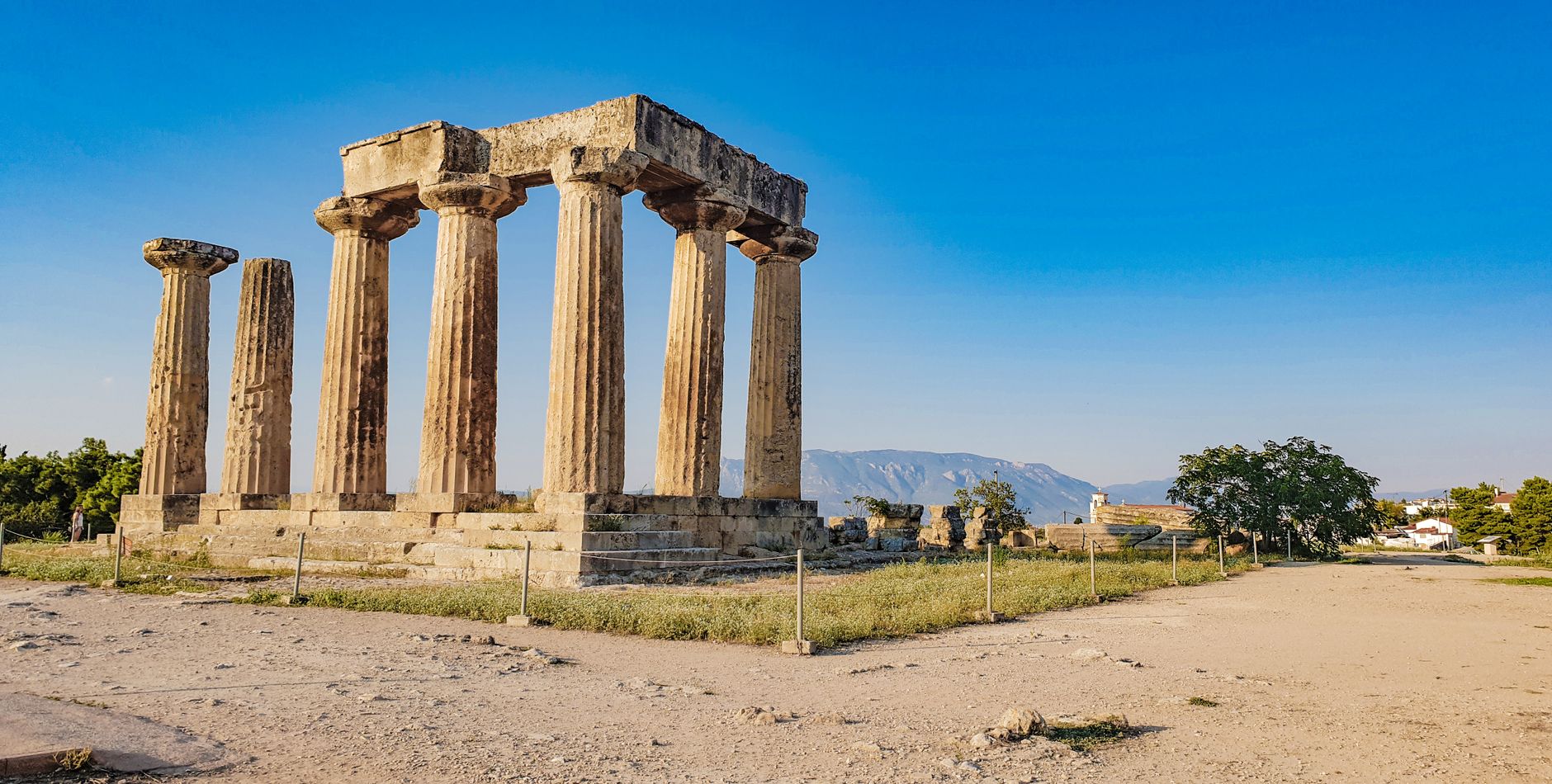
Today, the city of Corinth attracts tourists and scholars interested in its historical and biblical significance. Archaeological sites, including the ancient ruins of temples and city walls, provide a glimpse into its storied past. The modern town of Corinth exists nearby and serves as a gateway for exploration of the region.
Visitors often reflect on the contrast between the ancient city’s moral challenges and the core messages of Christian faith. This juxtaposition can inspire modern believers to consider how their faith is exercised in contemporary society filled with its own complexities.
Spiritual Reflections Inspired by Corinth
Corinth’s unique historical and spiritual context invites believers to engage in reflective practices. Consider the following questions as prompts for personal or group meditation:
- In what ways can we cultivate unity within our communities, drawing from Paul’s teachings?
- How can we practice love and compassion in challenging environments?
- What spiritual gifts do you possess, and how might you contribute to your community using them?
Conclusion
Corinth serves as an essential backdrop for understanding early Christianity and the challenges faced by believers in a pluralistic society. The teachings of Paul continue to resonate, offering insights into unity, ethics, and love that remain crucial for faith communities today. By reflecting on Corinth’s lessons, believers can deepen their faith and engage meaningfully with the world around them.
As you contemplate your own spiritual journey, consider diving deeper into the scriptures that speak to you, or engaging with community members to discuss the transformative power of love and unity within your faith practice. Reflect on the richness of early Christian history and what it means for you today. For more insights on faith, scripture, and community, explore related articles on our blog.