
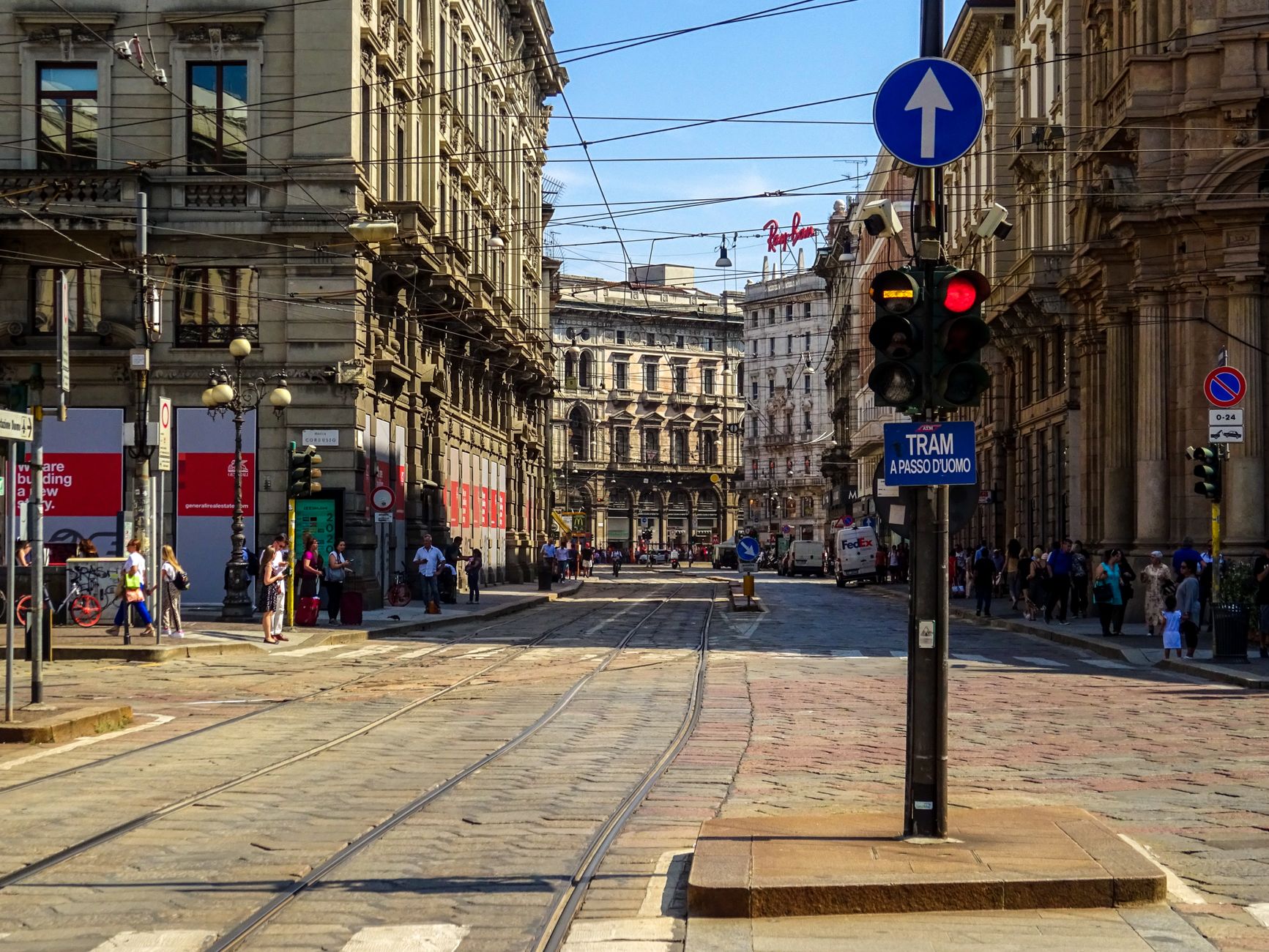
Milan, known for its thriving fashion scene, historical landmarks, and vibrant arts culture, attracts millions of tourists each year. With a diverse array of districts, each with its own unique charm, knowing where to stay in Milan can make all the difference in your travel experience.
This guide aims to help you navigate the best areas of Milan, providing insights into neighborhoods, types of accommodations, and practical tips. Whether you’re visiting for art, shopping, or simply to explore, you’ll find suggestions tailored to your interests.
Where To Stay In Milan?
Choosing where to stay in Milan depends on your interests and the experience you want to have. Popular areas include the historical city center for luxury, Navigli for nightlife, and Brera for culture and arts, each offering a different atmosphere and range of accommodations.
Overview of Milan’s Neighborhoods
Milan is a city characterized by its distinct neighborhoods. Each area has a flavor all its own, catering to different types of travelers. Here’s a look at some of the best neighborhoods in Milan, along with the benefits they offer.
1. Centro Storico (Historical Center)
The heart of Milan, Centro Storico is characterized by stunning architecture and major attractions such as the Duomo di Milano and Galleria Vittorio Emanuele II. This area is ideal for first-time visitors, offering a vibrant mix of history, shopping, and dining.
- Attractions: Duomo, La Scala Theatre, Sforza Castle.
- Atmosphere: Bustling with tourists, rich in history and cultural experiences.
- Accommodations: Luxury hotels, boutique options, and some budget choices.
2. Brera
Brera is known for its artistic vibe and cobblestone streets. It features galleries, the famous Pinacoteca di Brera, and chic cafes. This is a fantastic choice for art lovers and those looking for a more laid-back atmosphere.
- Attractions: Pinacoteca di Brera, botanical gardens.
- Atmosphere: Artistic and bohemian, with a relaxed café culture.
- Accommodations: Mid-range hotels, boutique stays, and apartments.
Known for its picturesque canals, Navigli comes alive at night with bars and restaurants. It’s a trendy area popular among locals and offers an insight into Milanese nightlife. If you’re looking to experience the local social scene, this is the place to be.
- Attractions: Navigli Canals, local markets, antiquarian shops.
- Atmosphere: Lively and youthful, especially in the evenings.
- Accommodations: Budget hostels, mid-range hotels, and unique guesthouses.
4. Porta Venezia
This area is known for its eclectic mix of architecture, shopping streets, and LGBTQ+ friendly spots. Porta Venezia offers a comfortable residence near the central area, featuring parks and cultural sites.
- Attractions: Indro Montanelli Public Gardens, Casa Museo Boschi Di Stefano.
- Atmosphere: Diverse and vibrant, reflecting a blend of cultures.
- Accommodations: Budget hotels and apartments.
5. Porta Romana
Porta Romana showcases a mix of historical and modern elements. It is a quieter area that appeals to families and business travelers alike. It’s also well-connected by public transport.
- Attractions: Terme Milano, the ancient Roman gate.
- Atmosphere: More residential and intimate than other districts.
- Accommodations: Middle-range hotels and serviced apartments.
Types of Accommodations
Milan offers a wide range of accommodation types to suit various budgets and preferences. Here are some options to consider based on your needs:
Luxury Hotels
If you prefer a high-end experience, Centro Storico and Brera have luxurious hotels offering exceptional amenities, fine dining, and proximity to major attractions. These accommodations generally provide spa services and personalized service.
Mid-Range Hotels
Mid-range options can be found throughout the city, especially in Brera and Navigli. These establishments provide comfortable rooms with convenient amenities, making them suitable for tourists looking for value without sacrificing quality.
Budget Accommodations
For travelers on a budget, areas like Navigli and Porta Venezia have hostels and guesthouses where you can find affordable prices. Many options include shared kitchens and social areas, perfect for meeting fellow travelers.
Vacation Rentals
Consider vacation rentals if you’re visiting as a family or group. Platforms like Airbnb offer various choices across the city, providing a home-like experience and kitchen facilities.
Parking and Getting Around Milan
Milan has an efficient public transportation system, including metro, trams, and buses. Here’s how you can navigate the city:
Public Transportation
The metro system is one of the best ways to get around Milan. It connects various neighborhoods and major attractions. A single ticket lasts 90 minutes and covers all metro lines.
Biking and Walking
Biking is a popular mode of transport, especially in Navigli and Brera. Look for bike rental stations dotted around the city. Walking is advisable in the historical center, allowing you to soak in the atmosphere.
Taxis are readily available but can be pricier. Rideshare apps like Uber are also operational in Milan, offering a convenient option for longer distances.
Best Time to Visit
The best time to visit Milan is during the spring (April to June) and fall (September to October) when the weather is pleasant, and the tourist crowds are manageable. Every season offers a unique perspective of the city, so consider your interests when planning.
- Spring: Ideal for exploring parks and enjoying outdoor cafes.
- Summer: Get ready for high temperatures and bustling tourist spots; plan ahead for crowd navigation.
- Fall: Experience numerous cultural festivals and beautiful autumn foliage.
- Winter: While colder, it features festive markets and holiday displays; this season can be particularly magical.
Local Tips
Here are some helpful tips to enhance your stay in Milan:
- Book Early: If you plan to visit during fashion weeks or major events, book your accommodations in advance.
- Check for City Taxes: Milan imposes a city tax, usually not included in the accommodation price. Research rates before booking.
- Learn a Few Italian Phrases: Knowing basic Italian greetings can enhance your interactions with locals.
- Try the Local Cuisine: Milan is known for its risotto and ossobuco; don’t miss local dining experiences during your stay.
Summary
Milan offers numerous accommodation options across diverse neighborhoods, each with its unique character and attractions. Depending on your interests – be it shopping, nightlife, art, or simply exploring the city – you can find the perfect spot to stay.
To maximize your time, consider where you’ll spend the most of your days, and then choose a convenient base. Explore beyond the main attractions to discover the local life and cuisine that make Milan a vibrant destination.
For more details on destination-related travel tips, check out our guides on where to stay in Milan and how far is Cortina from Milan.