
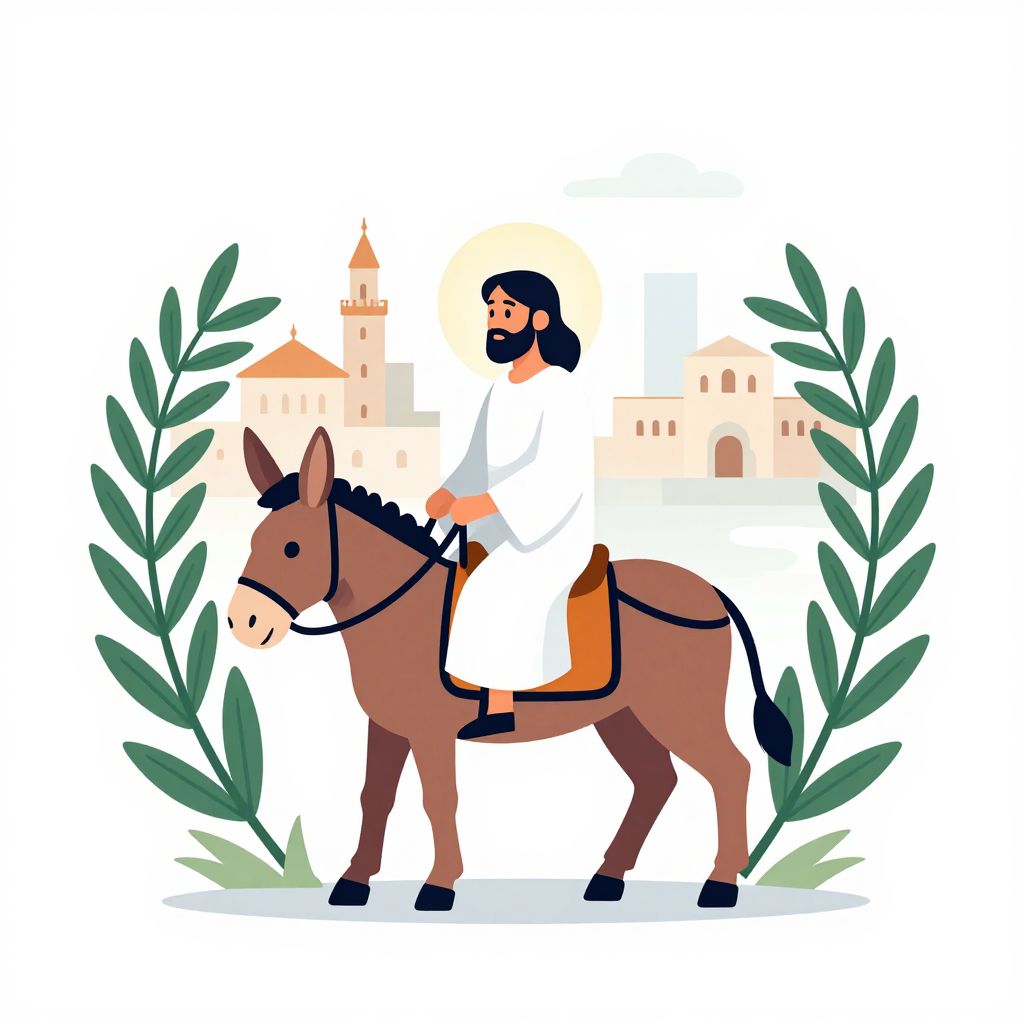
Have you ever wondered about the significance of Jesus riding a donkey into Jerusalem? This moment carries profound meaning and invites us to explore the character of God and the nature of our faith. Understanding this event helps us comprehend Jesus’ mission and encourages deeper reflection on His kingship.
Jesus chose to ride a donkey, fulfilling prophecy and demonstrating His humility as the King. This article will delve into why Jesus made this choice, its biblical roots, and what it means for us today.
Why Did Jesus Ride A Donkey Into Jerusalem?
Jesus rode a donkey into Jerusalem to fulfill the prophecy in Zechariah 9:9 and to exemplify His humble approach to kingship. Unlike earthly rulers, He entered with gentleness, emphasizing peace and servanthood rather than power and domination.
Fulfillment of Prophecy
Zechariah 9:9 states, “Rejoice greatly, Daughter Zion! Shout, Daughter Jerusalem! See, your king comes to you, righteous and victorious, lowly and riding on a donkey, on a colt, the foal of a donkey.” This prophecy celebrated the coming of the king, pointing to a Messiah who brings peace.
Jesus’ decision to ride a donkey instead of a horse signified His peaceful intentions. A horse would symbolize war and conquest, while a donkey represented humility and service. How does this reshape your understanding of what it means to be a king?
A Symbol of Peace
The use of a donkey highlights Jesus’ message of peace. In a time when Israel awaited a military leader to liberate them from Roman oppression, Jesus offered a different kind of liberation. His kingdom is one of spiritual renewal, and His entry into Jerusalem emphasized that mission.
Consider how often we expect God to act according to our desires for power and success. How can you align your expectations with His gentle ways?
Contrast With Human Expectations
The crowd expected a conquering hero, someone who would overthrow the Roman government. Instead, they received a humble teacher. The choice of the donkey reminds us that God often works contrary to human expectations. His ways are not our ways (Isaiah 55:8-9).
Reflect on your own expectations of God. Do they match the humility and servanthood demonstrated by Jesus?
Lessons from Jesus’ Entry into Jerusalem
Embracing Humility
Jesus’ entrance teaches us the importance of humility in leadership. Leaders are called not to dominate, but to serve and guide. In Philippians 2:5-7, Paul encourages us to have the same mindset as Christ, who took on the nature of a servant.
How do you embody humility in your daily life? Take a moment to assess your own posture in relationships and leadership.
God’s Sovereignty in the Details
Even the smallest details of Jesus’ entry were orchestrated by God. The choice of the donkey and the specific timing reveal His divine plan. God is sovereign over every aspect of our lives, no matter how trivial they may seem. Romans 8:28 reassures us that in all things, God works for the good of those who love Him.
How does recognizing God’s sovereignty change your viewpoint on your current circumstances?
Encouragement to Trust
Jesus riding into Jerusalem encourages us to trust Him as our king. We can find comfort in knowing that our God fulfills His promises, even when we cannot see the bigger picture. The people waved palm branches, shouting “Hosanna!” which means “Save us!” They recognized their need for salvation.
In what areas of your life do you need to trust God more? Consider writing these down and bringing them to prayer.
The Impact of Jesus’ Entry on His Ministry
Asserting His Kingship
By riding into Jerusalem in this manner, Jesus boldly asserted His kingship. He made a statement that, while unexpected, defined His mission. He came not just to fulfill Jewish hopes but to reveal a new covenant for all humanity.
How can you acknowledge Jesus as king in your daily life? Perhaps it starts with submitting your thoughts, actions, and decisions to His authority.
The Preparation for the Cross
This event marked the beginning of the final week of Jesus’ earthly ministry. His entrance set the stage for the events leading to His crucifixion. With this act, Jesus openly demonstrated His commitment to God’s plan of redemption.
Consider how this act of riding a donkey initiated the pathway to salvation. What does the cross mean to you, and how can you share its significance with others?
Personal Reflection and Application
Responding to Jesus’ Invitation
Jesus invites each of us to respond to His kingship. Accepting Him means embracing the humility He displayed, which often leads to serving others. Following His example can transform how we interact with those around us.
How can you serve someone in your community this week? Think of a tangible way to exhibit Christ’s love.
Living in Expectation of His Return
Jesus’ entry into Jerusalem foreshadows His second coming. The triumphal entry anticipates a future where He will return in glory, fulfilling all promises made to His people. This anticipation brings hope and equips us to live boldly.
Are you living in light of this hope? Reflect on how this truth can affect your daily choices and interactions.
The Call to Proclaim
As believers, we hold the privilege of proclaiming the good news of Jesus Christ. The excitement of the crowd as they welcomed Jesus encourages us to share the truth of His kingdom with zeal.
Who can you invite into this conversation about Jesus? Take an intentional step to share Him with someone this week.
Conclusion: The King Who Comes in Humility
Jesus riding a donkey into Jerusalem teaches profound lessons about humility, peace, and the nature of His kingdom. His choice to enter in this manner highlights that true leadership is marked by service rather than power. As followers of Christ, we are invited to embody these principles in our lives.
As you reflect on Jesus’ entry into Jerusalem, ask yourself how you can respond to His kingship with humility and service. Pray for opportunities to share His love, live out His calling, and trust in His sovereign plan today.
Explore more faith-based topics and articles to deepen your understanding of Scripture and Christ’s sacrifice, such as Bible verses about Jesus as king and Bible verses about the crucifixion of Jesus.